





The living room is the heart of any home—a space where you relax, entertain, and express your personal style. One of the easiest ways to transform this central space is through paint. With the right color choices, a living room can feel cozy, vibrant, elegant, or modern. In 2026, color trends are embracing a blend of timeless neutrals, bold accent walls, and subtle earthy tones that complement modern living spaces. Whether you’re looking for a complete overhaul or just a refreshing update, this guide covers everything you need to know about painting your living room.
Why Living Room Paint Matters
The color of your walls does more than just set the mood; it can influence your perception of space, lighting, and even your daily energy levels. A light-colored living room can make a small space feel open and airy, while darker shades can create a warm, intimate ambiance. Additionally, paint serves as the backdrop for your furniture, artwork, and decor. Choosing the right colors ensures that every element of your living room harmonizes, creating a cohesive and inviting environment.
Top Paint Color Trends for 2026
1. Warm Neutrals
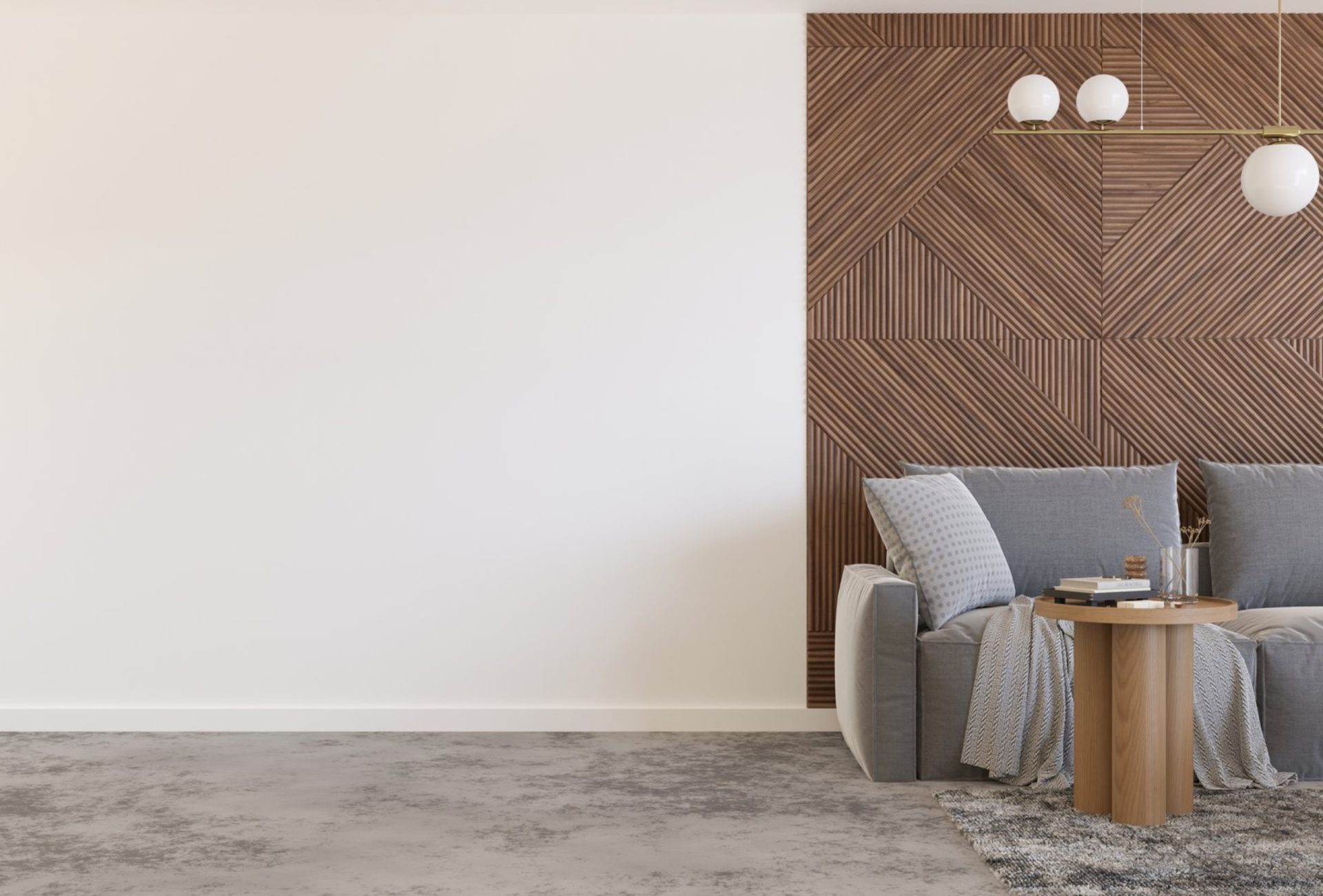
Warm neutrals continue to dominate living room color trends in 2026. Shades like creamy beige, soft taupe, and sandy ivory create a calm and welcoming environment. These tones are versatile, pairing beautifully with wooden furniture, metallic accents, and soft fabrics. Warm neutrals are ideal for families who want a timeless look that also allows for easy décor changes.
Pro Tip: Add depth to neutral walls with a textured accent wall or subtle patterns to avoid a flat appearance.
2. Earthy Tones
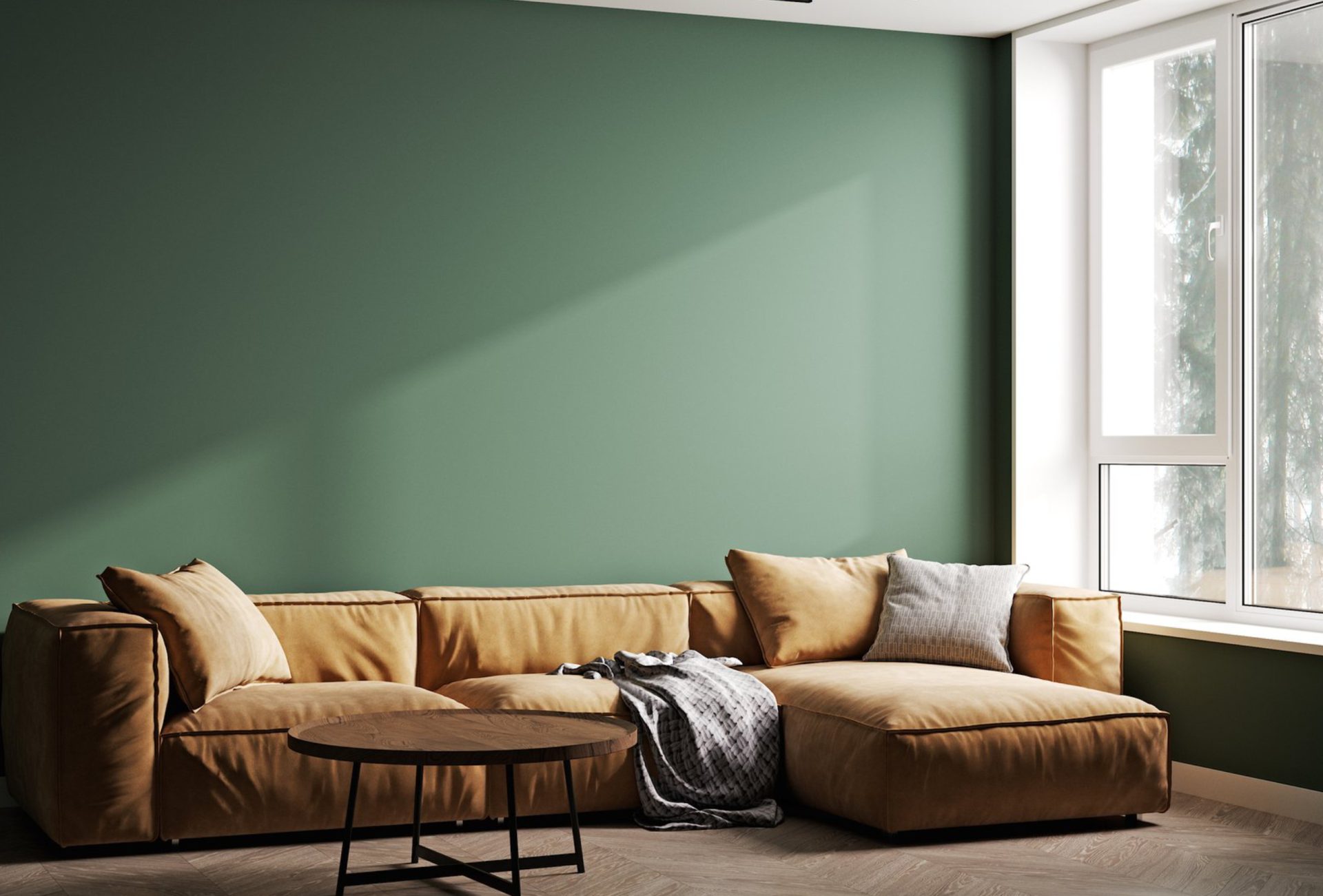
Earth-inspired hues are gaining popularity as homeowners seek natural, soothing atmospheres. Think terracotta, muted olive green, and rich clay tones. These colors work particularly well in living rooms with plenty of natural light and complement indoor plants, wooden floors, and organic fabrics.
Pro Tip: Pair earthy tones with lighter trims and ceiling colors to maintain brightness in the space.
3. Soft Pastels
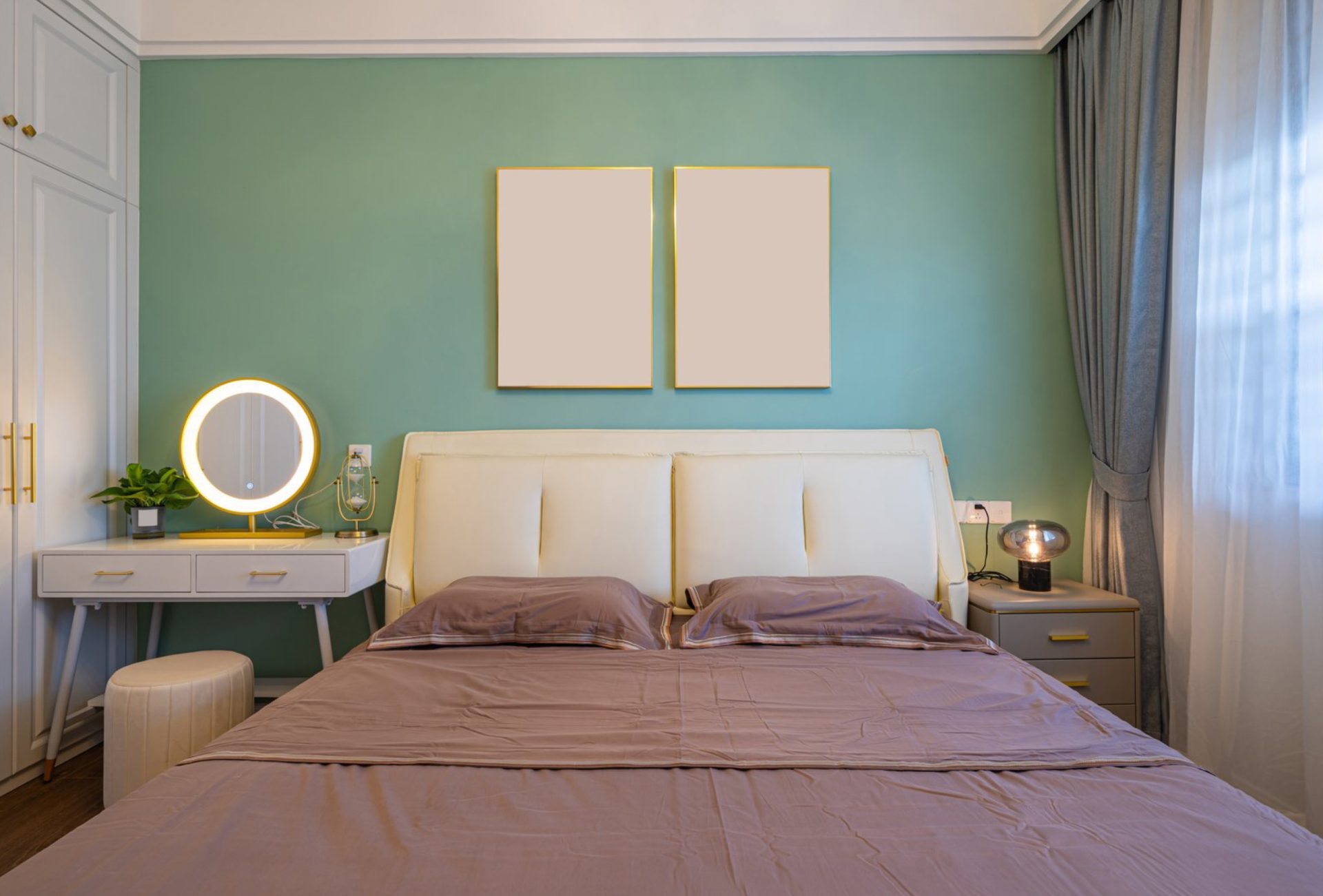
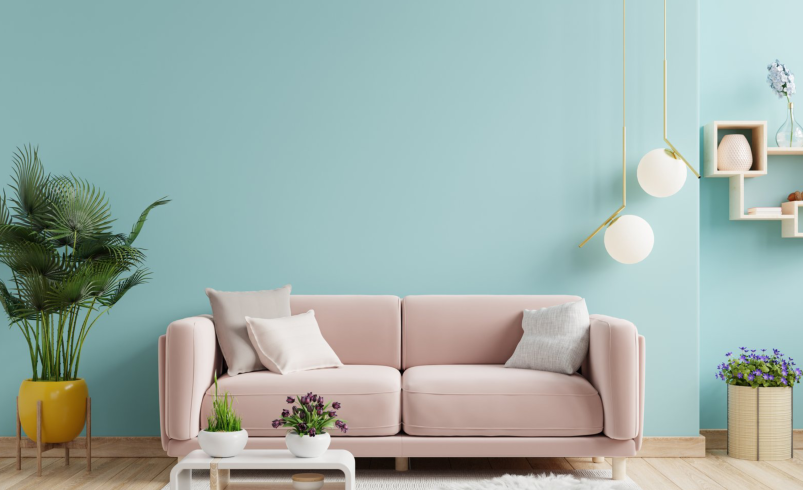
Soft pastels like powder blue, blush pink, and lavender are making a comeback for living rooms. These colors can add a subtle pop without overwhelming the room, creating a serene and sophisticated look. Pastels are especially effective for accent walls or in smaller living rooms that need a touch of color without feeling confined.
Pro Tip: Use pastel tones in combination with neutral furniture and décor to maintain balance.
4. Bold Accent Colors
Bold, statement colors are perfect for accent walls or feature areas of your living room. Vibrant navy, deep emerald, or rich charcoal can transform a single wall into a focal point, adding personality and style. In 2026, color blocking is trending, combining bold colors with neutrals to create visually striking spaces.
Pro Tip: Limit bold colors to one wall or a distinct area to prevent the room from feeling cluttered or dark.
Choosing the Right Paint Finish
The type of paint finish you choose can dramatically affect the look and durability of your living room walls. Here’s a breakdown:
- Matte/Flat Finish: Smooth and non-reflective, ideal for hiding wall imperfections. Best for low-traffic areas.
- Eggshell Finish: Slightly glossy, versatile, and easy to clean. Perfect for most living rooms.
- Satin Finish: Durable with a soft sheen, great for high-traffic areas and family spaces.
- Semi-Gloss/Gloss Finish: Reflective and easy to clean, often used for trims, moldings, or accent walls.
Pro Tip: For a modern living room in 2026, a combination of eggshell or satin for walls and semi-gloss for trims is highly recommended.
Step-by-Step Living Room Painting Guide
Step 1: Plan and Prepare
- Measure your walls to calculate paint quantities accurately.
- Remove furniture or cover it with drop cloths.
- Clean walls to remove dust, grease, or cobwebs.
- Fill holes, cracks, or imperfections with spackle and sand smooth.
Step 2: Protect Your Surfaces
- Use painter’s tape along trims, ceiling edges, and window frames.
- Cover flooring with drop cloths to prevent paint splashes.
Step 3: Prime the Walls
- Applying a primer ensures better adhesion and more even color coverage.
- Choose a primer suitable for the type of paint you’re using.
Step 4: Start Painting
- Cut in edges first with a brush (corners, trims, and ceiling edges).
- Use a roller for large wall areas for smooth, consistent coverage.
- Apply two coats for the best results, allowing sufficient drying time between coats.
Step 5: Add Accents and Details
- Consider accent walls, two-tone designs, or patterns for added depth.
- Paint trims, moldings, and doors in contrasting or complementary colors.
Step 6: Clean Up and Final Touches
- Remove painter’s tape while paint is still slightly wet to avoid peeling.
- Clean brushes and rollers for reuse.
- Move furniture back and enjoy your freshly painted living room.
Living Room Color Combinations to Try
- Neutral Base + Bold Accent: Soft beige walls with a deep navy accent wall.
- Earthy Harmony: Terracotta walls paired with olive-green trim or décor.
- Pastel Elegance: Powder blue walls with white trim and soft grey furniture.
- Monochromatic Modern: Shades of grey from light walls to dark accents for a sleek look.
Common Mistakes to Avoid
- Skipping Prep Work: Dirty or uneven walls can ruin even the best paint job.
- Ignoring Lighting: Always test paint samples under natural and artificial light.
- Choosing the Wrong Finish: Matte may look flat in bright rooms, while glossy can highlight imperfections.
- Overusing Bold Colors: Too many bold tones can overwhelm a living room.
Tips for Small or Challenging Living Rooms
- Use Lighter Shades: Light colors make small rooms feel more spacious.
- Vertical Stripes: Painted stripes can create the illusion of height.
- Reflective Finishes: Semi-gloss finishes reflect light and add depth.
Hiring a Professional vs. DIY
While painting can be a satisfying DIY project, hiring professionals ensures flawless results, especially for high ceilings, intricate trims, or feature walls. Professional painters also save time, provide expert advice on color combinations, and guarantee a long-lasting finish.
Final Thoughts
Painting your living room is one of the most effective ways to refresh your home in 2026. From warm neutrals to bold accents, the right paint color transforms the mood, style, and energy of the space. Whether you take on a DIY project or hire professionals, careful planning, preparation, and a focus on trends and finishes will ensure your living room becomes a stylish, inviting centerpiece of your home.
Chicagoland Paint Pro Tip: Always test paint samples in your living room before committing. What looks perfect in the store may appear different under your home’s lighting. With the right colors and professional guidance, your 2026 living room will be a space of comfort, style, and inspiration.