



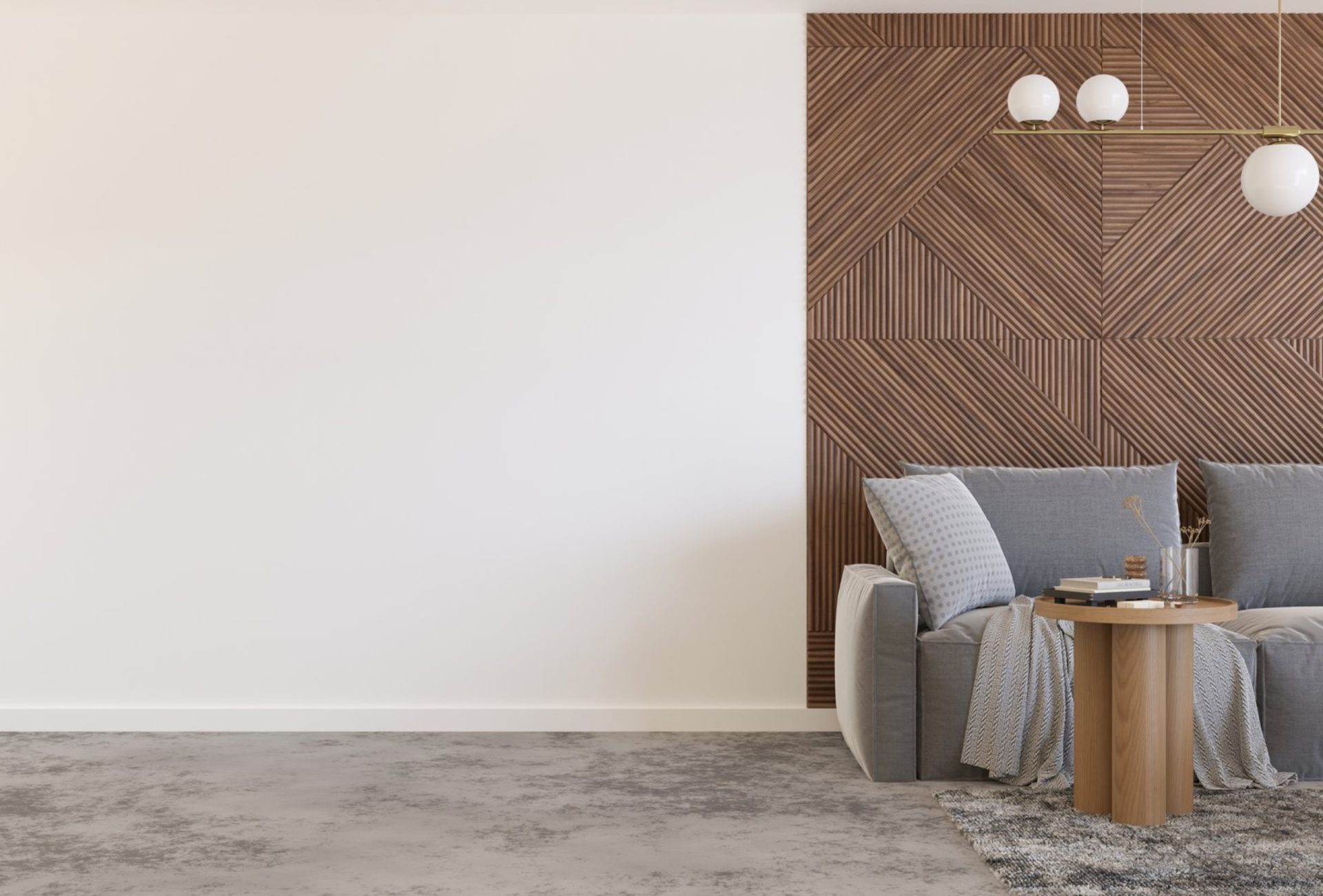

Accent walls are a simple yet impactful way to revitalize a room, create a focal point, or add personality to a space. However, the price of an accent wall can vary significantly depending on several factors. For homeowners, landlords, and commercial property managers in Chicagoland, understanding these variables is crucial for budgeting and achieving professional results.
This guide breaks down the key factors that influence the cost of accent wall painting, helping you make smart decisions for your space.
1. Wall Size and Dimensions
The size of the wall is the primary factor affecting cost:
- Small walls (under 100 sq ft): Minimal paint and labor required, ideal for bedrooms or small offices
- Medium walls (100–200 sq ft): Standard living room or commercial wall sizes, moderate labor
- Large walls (200+ sq ft): Large open areas or feature walls in commercial spaces, higher paint and labor costs
Height also matters—walls with ceilings over 9 feet require ladders or scaffolding, increasing labor time and cost.
2. Paint Type and Quality
The type of paint has a direct impact on both cost and durability:
- Standard latex paint: Affordable and widely available
- Premium paints: Higher coverage and longer-lasting finish
- Specialty paints: Metallics, chalkboard, or textured finishes are more expensive
Higher-quality paint reduces the need for multiple coats, saving labor and ensuring a professional finish.
3. Preparation Requirements
A smooth, durable accent wall requires proper preparation:
- Cleaning and sanding: Removes dirt and imperfections for better adhesion
- Patch repairs: Fixing dents, cracks, or holes before painting
- Priming: Especially important for darker or bold colors to prevent bleeding
Walls that need extensive prep will increase both labor and material costs, but this step is essential for long-lasting results.
4. Design Complexity
The complexity of your accent wall significantly affects pricing:
- Solid color: Simple and quick, most cost-effective option
- Patterns and geometric designs: Require careful measuring, taping, and multiple layers
- Textured walls or murals: Highest cost due to skill, time, and specialized tools
More complex designs require experienced painters, which increases labor expenses but creates a high-impact result.
5. Surface Accessibility
Where your accent wall is located impacts cost:
- High or multi-story walls: Need ladders, scaffolding, or lifts
- Walls behind furniture: May require moving or protecting items
- Commercial spaces: Often have large or high-traffic walls requiring extra care
Hard-to-access walls take longer to paint and may require specialized equipment, raising the price.
6. Number of Coats
Most accent walls require 2–3 coats for even coverage:
- Bold or dark colors often need additional coats
- Specialty finishes like metallics or textured paints may need more layers
- Each additional coat increases both material and labor costs
Planning the number of coats in advance ensures accurate budgeting.
7. Labor Rates
Labor is usually the largest portion of the cost:
- Professional painters charge based on experience, complexity, and time
- DIY projects reduce labor costs but may risk uneven coverage or imperfect edges
- Hiring local Chicagoland painters ensures knowledge of local building codes and materials
Investing in skilled labor often saves money in the long run by avoiding costly mistakes or touch-ups.
8. Paint Finish and Texture
The type of paint finish affects both appearance and cost:
- Matte or eggshell finishes: More affordable, hides minor imperfections
- Semi-gloss or gloss: Slightly higher cost, more durable and easier to clean
- Special textures: Require skillful application, raising labor costs
Choosing the right finish balances budget, durability, and aesthetic appeal.
9. Additional Materials and Tools
Other cost factors include:
- Painter’s tape and protective sheeting
- Brushes, rollers, and trays
- Drop cloths and scaffolding (for taller walls)
High-quality tools improve results and reduce waste and mistakes, which can save money overall.
10. Location-Specific Factors
In Chicagoland, local factors can influence pricing:
- Urban vs suburban labor rates
- Seasonal considerations, like humidity affecting paint drying times
- Local availability of specialty paints or primers
Understanding local conditions ensures accurate budgeting and efficient project completion.
Tips for Managing Accent Wall Costs
- Start small: Choose a single wall instead of painting multiple walls
- Select standard colors: Pre-mixed paints are cheaper than custom blends
- DIY simple walls: Solid color walls can be painted by homeowners to save labor
- Combine with other projects: Paint multiple rooms or walls at once for efficiency
- Hire professionals wisely: Get quotes, check references, and request detailed estimates
Smart planning allows you to achieve a high-quality accent wall while staying within budget.
Chicagoland Paint Pro Advantage
Chicagoland Paint Pro specializes in accent wall painting:
- Expert assessment of size, complexity, and paint selection
- Skilled preparation, patching, and priming for a flawless finish
- Professional painting and finishing for solid color, patterned, or textured walls
- Transparent, competitive pricing tailored to your project
We ensure your accent wall looks stunning and lasts for years, whether for a home or commercial space.
Conclusion
The price of an accent wall is influenced by size, paint type, preparation, design complexity, accessibility, labor, and local conditions. Simple solid-color walls are budget-friendly, while patterned or textured walls require more investment.
By understanding these factors and planning strategically, homeowners and property managers in Chicagoland can achieve high-impact, cost-effective accent walls.
With Chicagoland Paint Pro, your accent wall project will combine expert craftsmanship, durability, and aesthetic excellence without exceeding your budget.