




When planning an interior painting project, understanding costs and budget expectations is critical. Painting can transform a home, increase property value, and refresh living spaces, but costs can vary significantly based on materials, labor, room size, and other factors. This guide provides a detailed interior painting cost breakdown for 2026, helping homeowners and property managers plan effectively.
Why Understanding Interior Painting Costs Matters
- Budget Planning: Avoid unexpected expenses and plan for quality finishes.
- Comparing Quotes: Helps distinguish between competitive pricing and substandard offers.
- Maximizing ROI: Properly budgeted projects enhance home appeal without overspending.
- Time & Labor Considerations: Knowing costs upfront aids in scheduling and efficiency.
A clear understanding of painting costs ensures successful projects without surprises.
Average Interior Painting Costs in 2026
Interior painting costs typically depend on:
- Room Size: Larger rooms require more paint and labor.
- Paint Quality: Premium paints cost more but offer durability and better coverage.
- Surface Preparation: Repairs, sanding, and priming increase cost.
- Labor Charges: Professional painters’ rates vary based on experience and location.
Typical cost ranges per room:
| Room Type | Average Cost (Labor + Materials) |
|---|---|
| Small Bedroom | $300–$500 |
| Large Bedroom | $500–$800 |
| Living Room | $600–$1,200 |
| Kitchen | $500–$1,000 |
| Bathroom | $300–$700 |
| Whole House (3–4 bedrooms) | $3,000–$6,000 |
These prices are estimates for 2026 in the Chicagoland area and may vary depending on specific requirements and contractor rates.
Key Factors That Affect Interior Painting Costs
1. Paint Type and Quality
- Standard Latex Paint: Budget-friendly and suitable for most rooms.
- Premium Paints: Higher coverage, durability, and fade resistance.
- Specialty Paints: Low-VOC, eco-friendly, or washable paints cost more but provide additional benefits.
Choosing the right paint ensures long-lasting results and minimizes future touch-ups.
2. Room Size and Wall Area
- Larger rooms require more paint and longer labor hours.
- Ceiling height, number of windows, and architectural features can affect labor.
- Open floor plans may cost more due to prep and painting complexity.
Accurate measurement of wall area ensures precise cost estimates and proper paint quantities.
3. Surface Preparation
- Minor Prep: Filling small nail holes, sanding rough spots, cleaning surfaces.
- Major Prep: Repairing drywall, removing old wallpaper, priming stained areas.
- Prep can account for 10–30% of total painting costs depending on damage severity.
Proper preparation prevents paint failure and enhances finish quality.
4. Labor Costs
- Professional painters charge by the hour or by square footage.
- Average labor rates in Chicago range from $25–$60 per hour.
- Experienced painters may cost more but reduce errors and provide high-quality finishes.
Balancing cost and expertise ensures efficient, long-lasting results.
5. Number of Coats
- Standard walls often require two coats; darker or bright colors may need three.
- Each additional coat increases paint and labor costs.
- Proper coating ensures even coverage, vibrant color, and durability.
6. Additional Features
- Trim and Doors: Painting baseboards, crown molding, and doors adds cost.
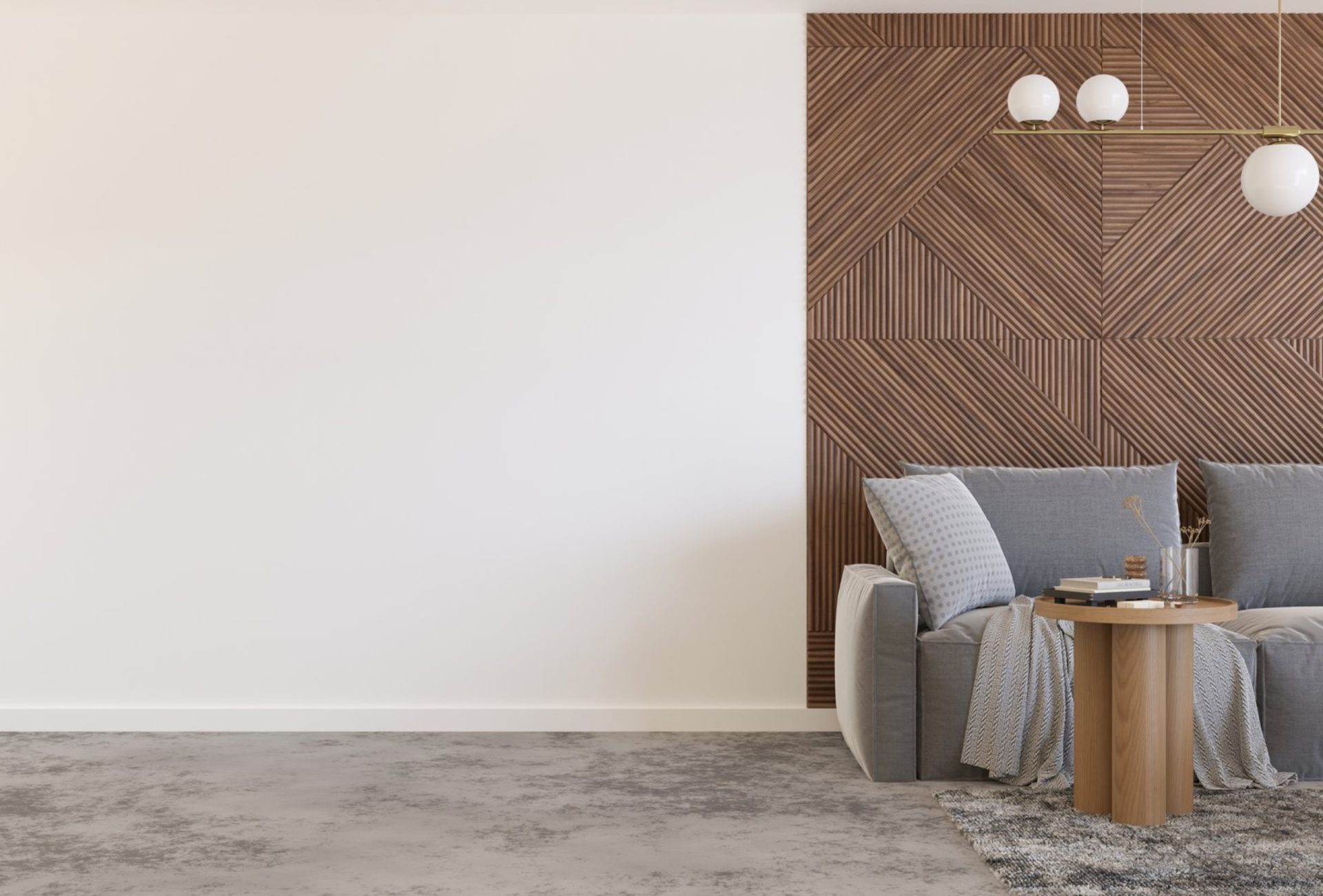
- Accent Walls: Feature walls require precise application and may cost more.
- Ceilings: Higher or textured ceilings require extra labor.
Including all features in your estimate avoids surprise charges.
Cost-Saving Tips for Interior Painting
- Bundle Rooms: Painting multiple rooms at once reduces labor costs.
- Use Existing Paint: If color matches, leftover paint can save money.
- Prepare Surfaces Yourself: Cleaning walls, filling small holes, or sanding reduces professional labor time.
- Choose Standard Colors: Neutral colors require fewer coats than bold or dark shades.
- Schedule During Off-Peak Season: Painters may offer discounts during slower months.
Smart planning reduces costs without compromising quality.
DIY vs. Professional Painting Costs
- DIY Painting: Paint costs $30–$60 per gallon; tools add $50–$150.
- Pros: Lower labor costs, flexible schedule.
- Cons: Time-consuming, risk of mistakes, may not achieve professional finish.
- Professional Painting: Labor + materials $300–$1,200 per room.
- Pros: High-quality finish, faster completion, warranty or guarantee on work.
- Cons: Higher upfront cost.
For long-term value and efficiency, professional painting is often the best choice, especially for multiple rooms or high-traffic areas.
Planning Your 2026 Interior Painting Budget
- Measure Your Rooms: Calculate wall area to estimate paint requirements.
- Choose Paint Wisely: Balance cost, durability, and color preference.
- Get Multiple Quotes: Compare professional painter rates in your area.
- Include Prep Costs: Budget for repairs, cleaning, and priming.
- Factor in Extras: Trim, doors, ceilings, accent walls, and minor features.
Following these steps ensures accurate budgeting and successful project execution.
Chicagoland Paint Pro Advantage
Chicagoland Paint Pro offers:
- Transparent, Accurate Quotes: No hidden fees; detailed cost breakdowns.
- High-Quality Materials: Durable paints for long-lasting results.
- Professional Labor: Skilled painters delivering flawless interiors.
- Efficient Project Management: Multiple rooms painted quickly with minimal disruption.
Our services help homeowners and property managers plan and execute interior painting projects efficiently in 2026.
Conclusion
Understanding interior painting costs in 2026 helps homeowners and property managers make informed decisions. Key factors include paint quality, room size, surface prep, labor, and additional features. Budget wisely, consider professional services, and use cost-saving strategies to achieve a beautiful, durable, and long-lasting interior finish.
Partnering with Chicagoland Paint Pro ensures expert guidance, professional execution, and reliable results, making your interior painting investment worthwhile.