


Creating an accent wall is one of the easiest ways to transform a room and add personality without painting every wall. However, a key decision homeowners and property managers in Chicagoland face is whether to tackle the project DIY (Do-It-Yourself) or hire professional painters. Understanding the cost differences, benefits, and potential pitfalls helps you make the best choice for your budget, timeline, and desired outcome.
This guide explores DIY vs professional accent wall painting, including cost considerations, preparation, and tips for a flawless finish.
1. DIY Accent Wall Painting Costs
DIY accent walls can be a budget-friendly option, especially for small or simple designs. Here’s a breakdown of typical DIY costs:
Materials
- Paint: $25–$60 per gallon for standard latex paint; specialty paints like metallic or textured finishes can cost $50–$100+ per gallon
- Primer: $15–$30 per gallon
- Tools: Brushes, rollers, painter’s tape, drop cloths – $50–$100
- Patching materials: Spackle or joint compound – $10–$25
Total DIY material cost: approximately $100–$300 for a standard bedroom accent wall.
Time and Labor
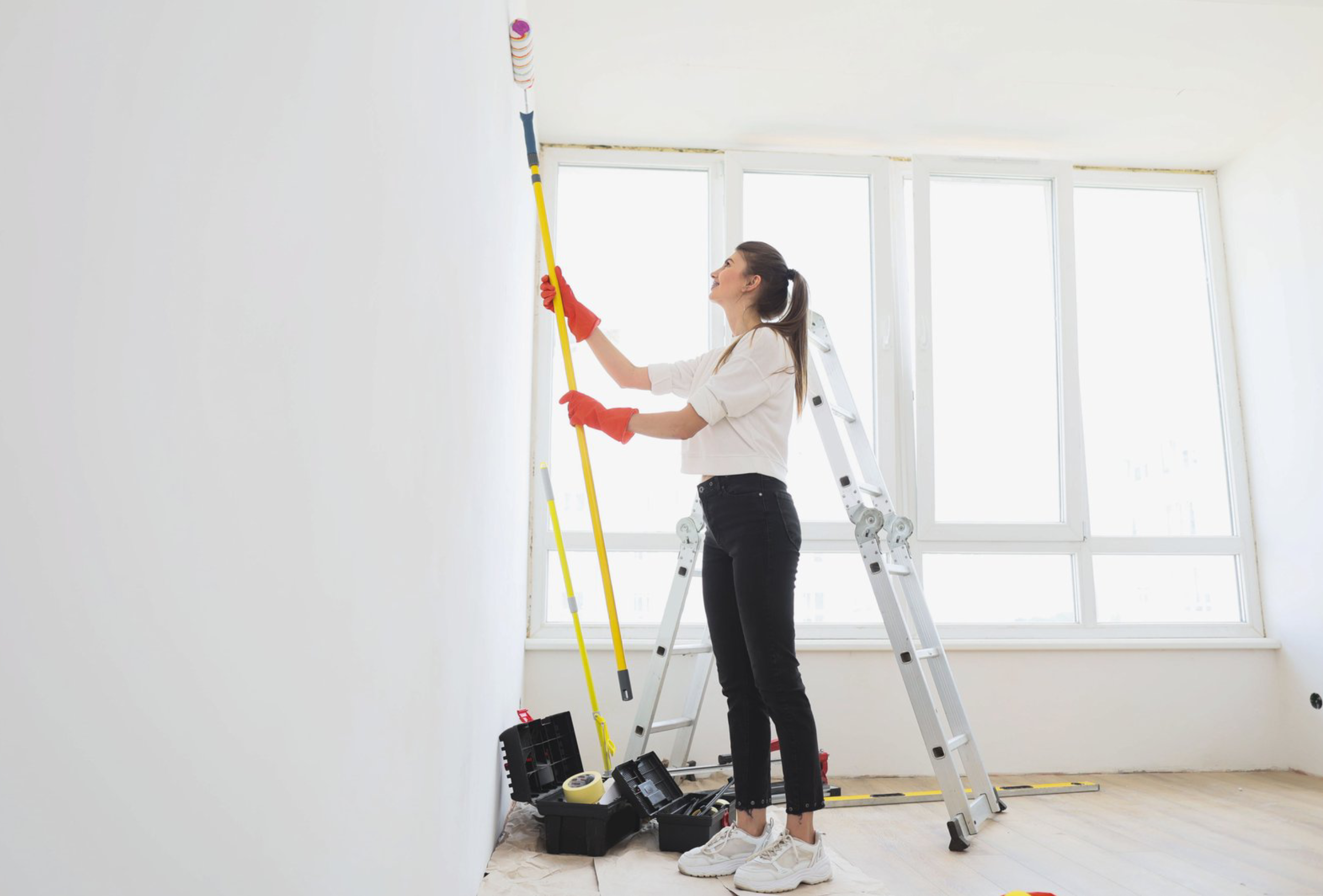
- DIY labor is free if you do it yourself, but consider your time and skill level
- Small walls: 4–6 hours
- Medium walls: 6–10 hours
- Large or textured walls: 10+ hours
While DIY saves money upfront, mistakes or uneven finishes may require extra paint, time, or corrections, which can increase costs indirectly.
Benefits of DIY
- Lower upfront cost
- Complete control over design and color selection
- Sense of accomplishment
Drawbacks of DIY
- Requires skill and precision
- Mistakes can be costly in terms of time and paint
- Difficult for complex patterns, textures, or high walls
2. Professional Accent Wall Painting Costs
Hiring professionals ensures a high-quality, long-lasting finish, but comes with higher upfront costs.
Typical Professional Costs
- Small wall: $150–$400
- Medium wall: $400–$800
- Large or textured wall: $800–$2,000+
Costs include labor, materials, preparation, and finishing. Specialty finishes or patterns will increase pricing.
What You Get With Professionals
- Surface preparation: Sanding, cleaning, and patching
- Precise painting: Smooth edges, even coverage, and professional techniques
- Time efficiency: Projects completed in hours rather than days
- Durability: Reduced risk of peeling, streaking, or uneven color
Benefits of Professionals
- Flawless results even on complex designs
- Saves time and stress
- Access to high-quality materials and techniques
Drawbacks of Professionals
- Higher upfront cost compared to DIY
- Scheduling may take time
- Less hands-on control over execution
3. Cost Comparison: DIY vs Professional
| Factor | DIY | Professional |
|---|---|---|
| Material Cost | $100–$300 | Included in service |
| Labor | Free (your time) | $150–$2,000+ depending on wall size & complexity |
| Skill Requirement | Moderate to high | Minimal, handled by experts |
| Time | Several hours to days | Hours, depending on wall size |
| Quality | Variable, depends on skill | Consistently high |
| Risk of Mistakes | Higher | Lower |
DIY is cost-effective for small, simple projects, while professional services are ideal for larger, complex, or high-visibility walls.
4. Factors to Consider When Deciding
- Wall Size and Height
- High ceilings or large walls favor professional painting.
- Design Complexity
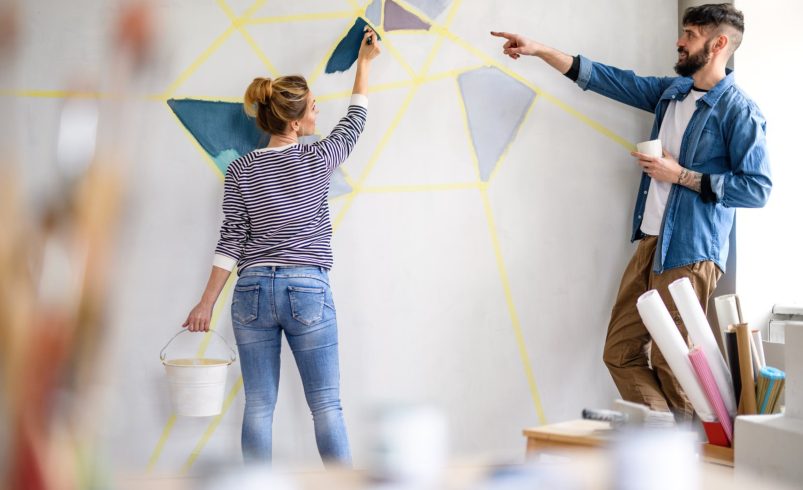
- Geometric patterns, stripes, or textured finishes require precision.
- Available Time
- DIY can take a full day or more; professionals finish efficiently.
- Budget
- DIY saves labor costs, but mistakes may increase expenses.
- Professionals have upfront costs but reduce long-term risks.
- Desired Finish
- Professionals deliver smooth, even, and durable results.
- DIY may show inconsistencies, especially for beginners.
5. Tips to Reduce DIY Costs
- Use leftover paint or standard colors
- Limit the wall to a single feature for simplicity
- Borrow tools like ladders or paint sprayers
- Prepare the wall properly to reduce touch-ups
6. Tips to Reduce Professional Costs
- Schedule painting along with other home improvements
- Get multiple quotes from local Chicagoland painters
- Choose standard colors rather than custom mixes
- Combine accent wall with other walls to maximize labor efficiency
7. Chicagoland Paint Pro: Your Accent Wall Solution
Chicagoland Paint Pro specializes in both DIY guidance and professional accent wall painting:
- Accurate cost estimates tailored to wall size and design
- Expert surface preparation, patching, and priming
- Professional application for solid, patterned, or textured walls
- Transparent pricing, ensuring no hidden fees
We help you achieve a beautiful accent wall whether you choose to DIY with guidance or hire our professionals for a flawless finish.
Conclusion
Deciding between DIY and professional accent wall painting comes down to budget, skill, wall size, and desired finish.
- DIY: Best for small, simple walls and those with time and confidence in painting skills.
- Professional: Best for complex designs, large walls, high ceilings, or a flawless, durable result.
With Chicagoland Paint Pro, you can make the right choice for your accent wall, ensuring stunning results, cost efficiency, and long-lasting beauty.