


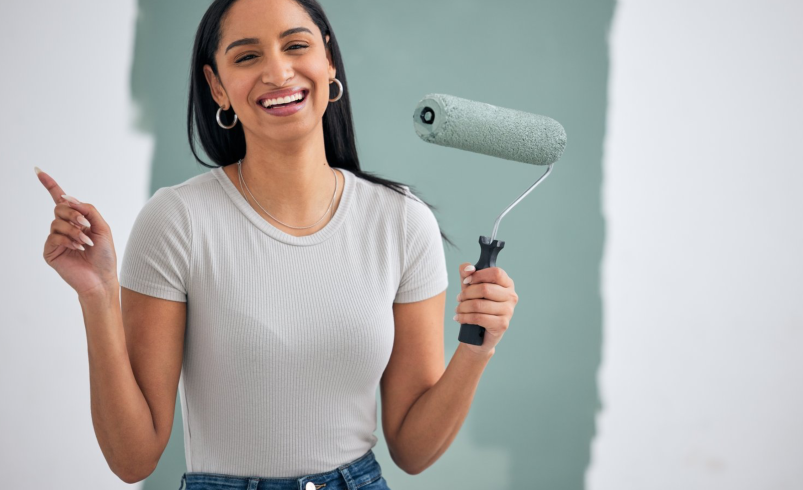

Updating your home’s interior with a fresh coat of paint doesn’t have to break the bank. With smart planning, careful material selection, and efficient techniques, you can refresh your space affordably while still achieving professional-quality results. This guide offers budget-friendly interior painting tips for 2026, helping homeowners and property managers save money without compromising on style or durability.
1. Plan Ahead and Set a Budget
- Assess Your Needs: Determine which rooms and walls need painting. Prioritize high-traffic areas or rooms with visible wear.
- Set a Realistic Budget: Consider materials, labor, and any additional features like trim or accent walls.
- Get Multiple Quotes: If hiring professionals, compare at least three contractors to ensure competitive pricing.
Planning ahead prevents last-minute purchases and overspending.
2. Choose Affordable, High-Quality Paint
- Latex Paint: Standard latex paints offer good coverage at a reasonable cost.
- Premium Paints Wisely: Reserve high-end paints for high-traffic areas or walls requiring extra durability.
- Neutral Colors: Whites, creams, beiges, and grays typically need fewer coats and appeal to most tenants or homeowners.
Investing in paint that offers better coverage and durability saves money on touch-ups and future repainting.
3. Do Some Prep Work Yourself
Proper wall preparation can save both time and labor costs:
- Clean Walls: Remove dirt, dust, and grease before painting.
- Fill Small Holes: Patch minor nail holes or dents with spackle.
- Light Sanding: Smooth rough areas to improve paint adhesion.
Even partial DIY prep can reduce professional labor hours, lowering overall project costs.
4. Minimize Labor Costs Strategically
- Bundle Rooms: Painting multiple rooms or areas in one session is more cost-effective than separate projects.
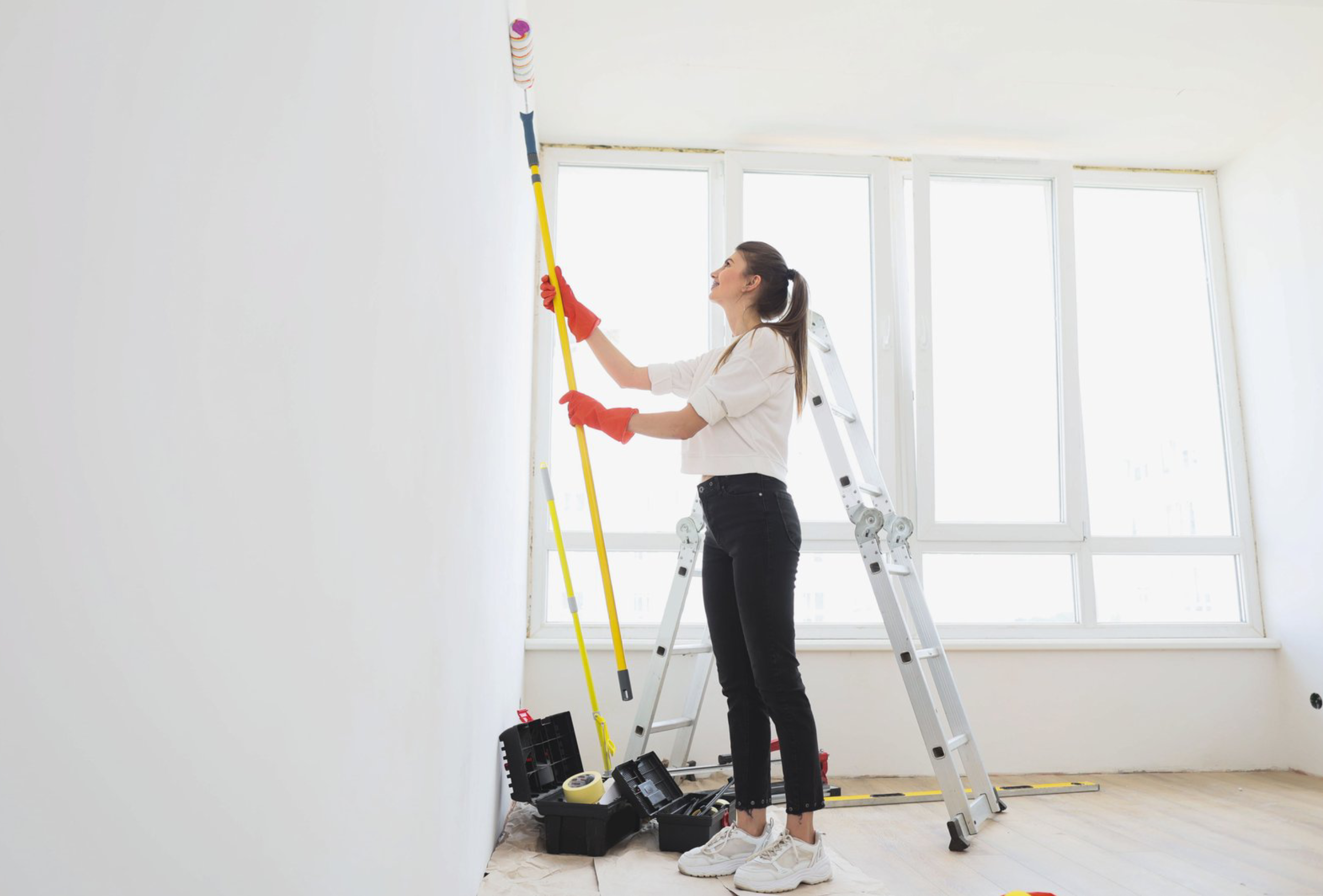
- Plan Efficient Workflows: Paint ceilings first, walls second, and trim last to avoid rework.
- Hire Skilled Professionals for Key Areas: Focus labor spending on tricky surfaces like high ceilings, textured walls, or detailed trim.
Efficient use of labor ensures maximum value without sacrificing quality.
5. Limit the Number of Coats
- Choose Paints with High Coverage: Reduces the number of coats needed.
- Use Primer Wisely: Spot-priming stained or dark areas instead of full-wall priming can save material costs.
- Avoid Over-Painting: Only apply additional coats where necessary for a uniform finish.
Fewer coats save paint, time, and money while still delivering a polished look.
6. Use Accent Walls and Partial Updates
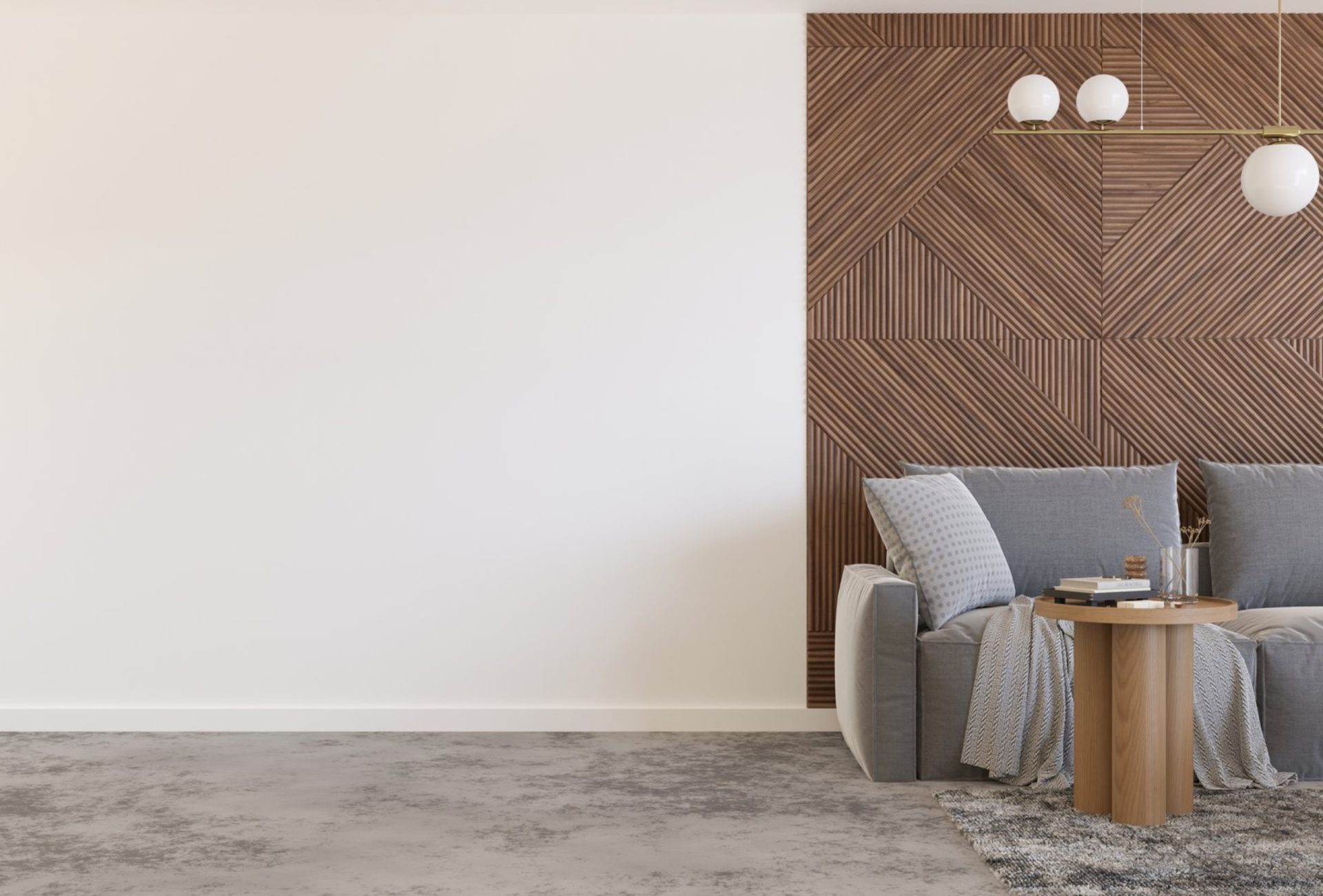
- Accent Walls: Instead of repainting an entire room, consider a single wall in a bold or complementary color.
- Focus on High-Impact Areas: Refresh entryways, kitchens, or living rooms first to make a noticeable difference.
- Furniture Rearrangement: Combine painting with repositioning furniture to minimize labor and maximize impact.
Partial updates are affordable, visually appealing, and less time-intensive.
7. Repurpose or Use Leftover Paint
- Use Leftover Paint: If color matches existing walls, reuse to cut material costs.
- Mix Small Quantities: Blend leftover paint to create complementary shades for accent walls or touch-ups.
- Proper Storage: Keep leftover paint in airtight containers for future maintenance.
Reusing materials reduces waste and stretches your budget.
8. Choose Efficient Tools and Techniques
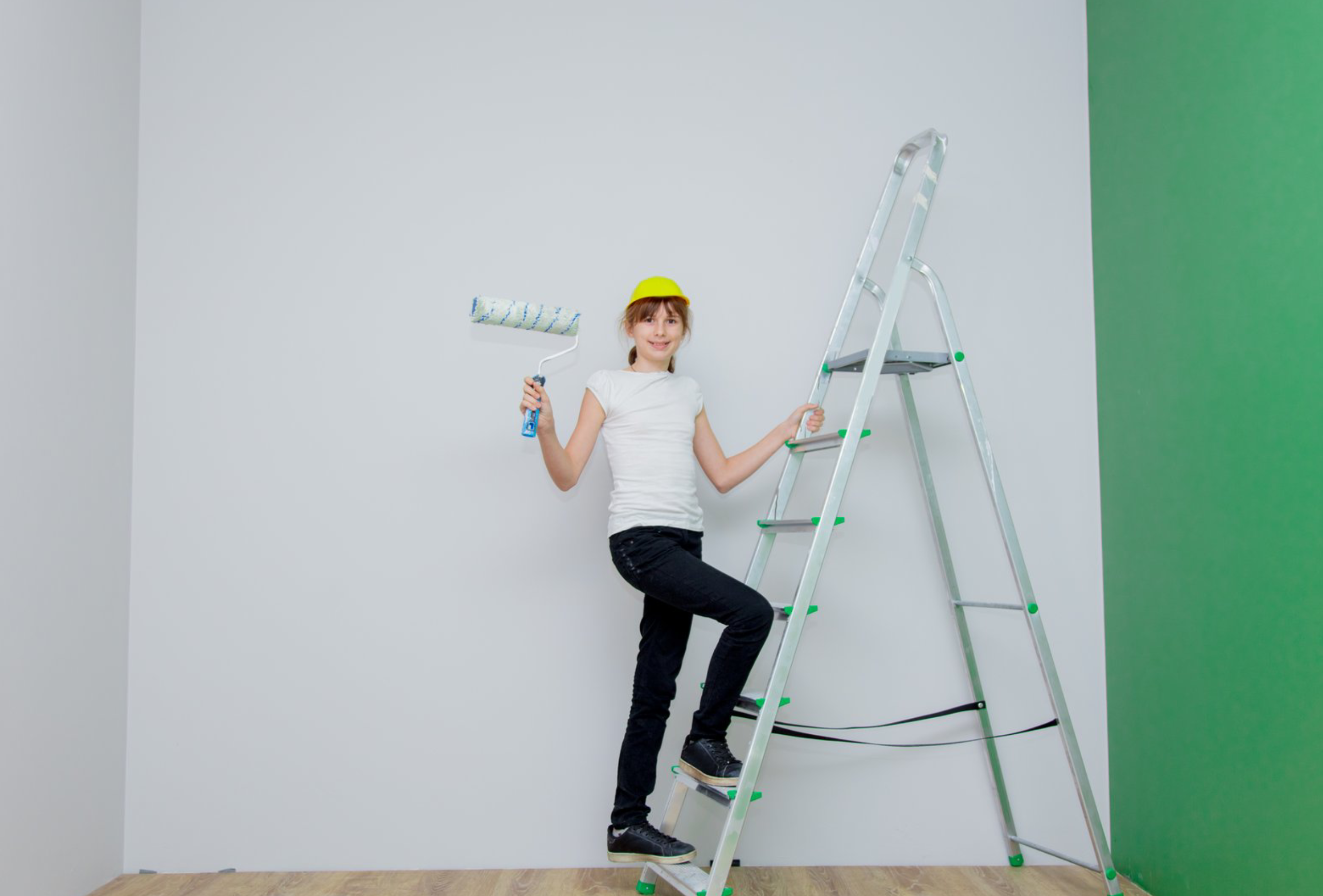
- Rollers for Large Surfaces: Faster coverage and smoother finish.
- Brushes for Trim and Detail: Precise application for baseboards, doors, and corners.
- Painter’s Tape and Drop Cloths: Protect surfaces to avoid costly clean-ups.
- Spray Painting for Multiple Rooms: In larger projects, professional sprayers save time and labor.
Using the right tools enhances results and minimizes costly mistakes.
9. Timing Can Save Money
- Off-Peak Painting: Winter or late fall projects may offer contractor discounts.
- Avoid Rush Projects: Planning ahead prevents expedited labor charges.
- Coordinate With Renovations: Combine painting with other home updates to reduce repetitive labor costs.
Proper timing optimizes cost efficiency and ensures smoother project execution.
10. Maintain Painted Surfaces for Longevity
- Regular Cleaning: Wipe walls to prevent dirt buildup.
- Touch-Up When Needed: Address minor scuffs promptly to avoid repainting large sections.
- Use Durable Finishes: Satin or semi-gloss paints resist stains and reduce future repainting needs.
Maintaining surfaces reduces long-term expenses and preserves your investment.
Chicagoland Paint Pro Budget Advantage
Chicagoland Paint Pro offers affordable, high-quality interior painting solutions:
- Transparent Pricing: Know exactly what you’re paying for materials and labor.
- Professional Guidance: Recommendations on cost-saving paints, workflows, and techniques.
- Efficient Execution: Quick, precise painting minimizes disruption and expense.
- Durable Finishes: Long-lasting results reduce future maintenance costs.
Partnering with professionals ensures budget-friendly painting without compromising quality or style.
Conclusion
Interior painting doesn’t have to be expensive. By planning ahead, choosing the right paint, preparing surfaces, optimizing labor, and maintaining your walls, homeowners and property managers can achieve a fresh, stylish look on a budget.
With Chicagoland Paint Pro, you can maximize your painting investment in 2026, combining affordability, efficiency, and professional-quality results.