



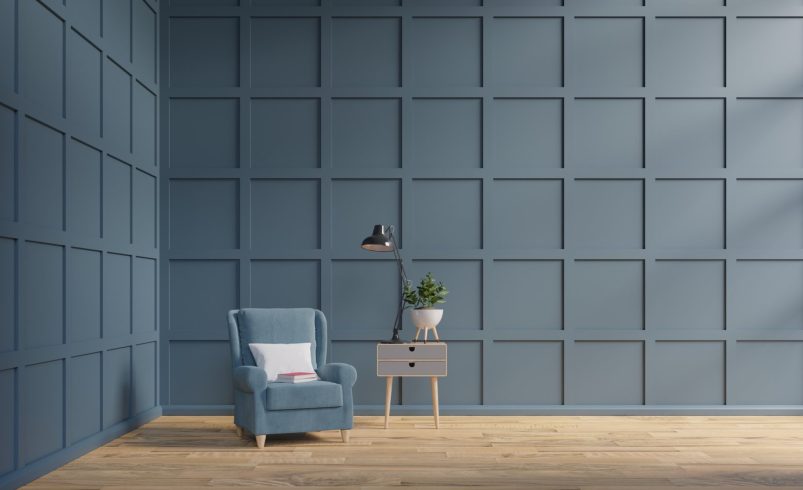

An accent wall is one of the easiest and most effective ways to elevate a room’s style. Whether you want to add drama, warmth, or personality, a well-designed accent wall draws the eye, highlights architectural features, and creates a focal point that transforms any space.
This guide explores accent wall ideas, from color and texture choices to design placement tips, so you can make a bold statement in your home.
Why Accent Walls Matter
- Create Focal Points: Accent walls naturally draw attention to a specific area, such as a fireplace, bed, or entertainment center.
- Add Depth and Dimension: Contrasting colors or textures make rooms feel larger, taller, or more layered.
- Express Style: Bold colors, patterns, or textures allow you to showcase your personality.
- Easy Room Makeover: Refresh a space without painting all walls or committing to permanent changes.
Accent walls are ideal for living rooms, bedrooms, home offices, dining areas, and even entryways.
Popular Accent Wall Ideas
1. Bold Colors
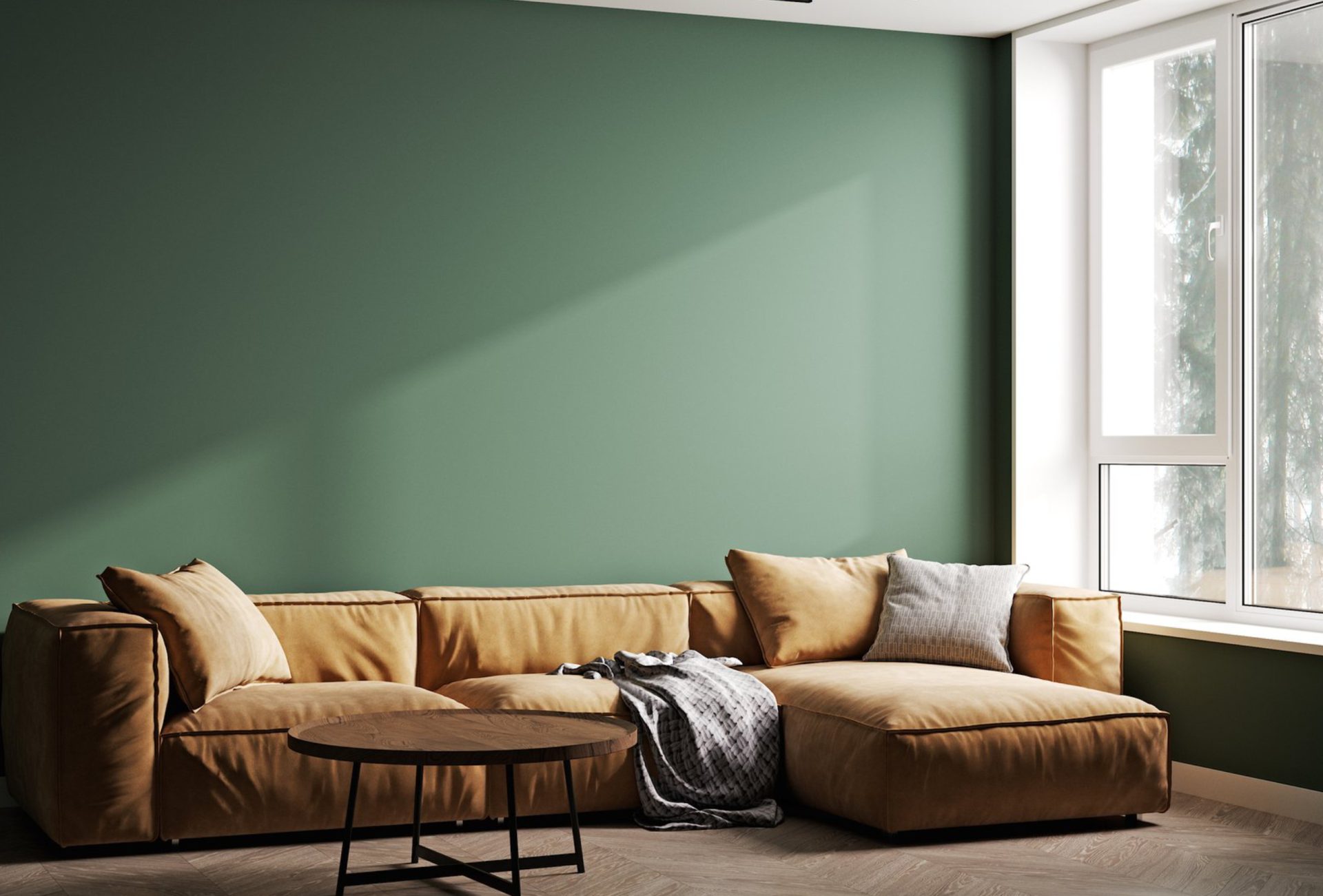
- Idea: Paint one wall in a vibrant or dark hue to create contrast.
- Example: Navy, emerald green, or deep charcoal.
- Tip: Pair with neutral surrounding walls to prevent overwhelming the space.
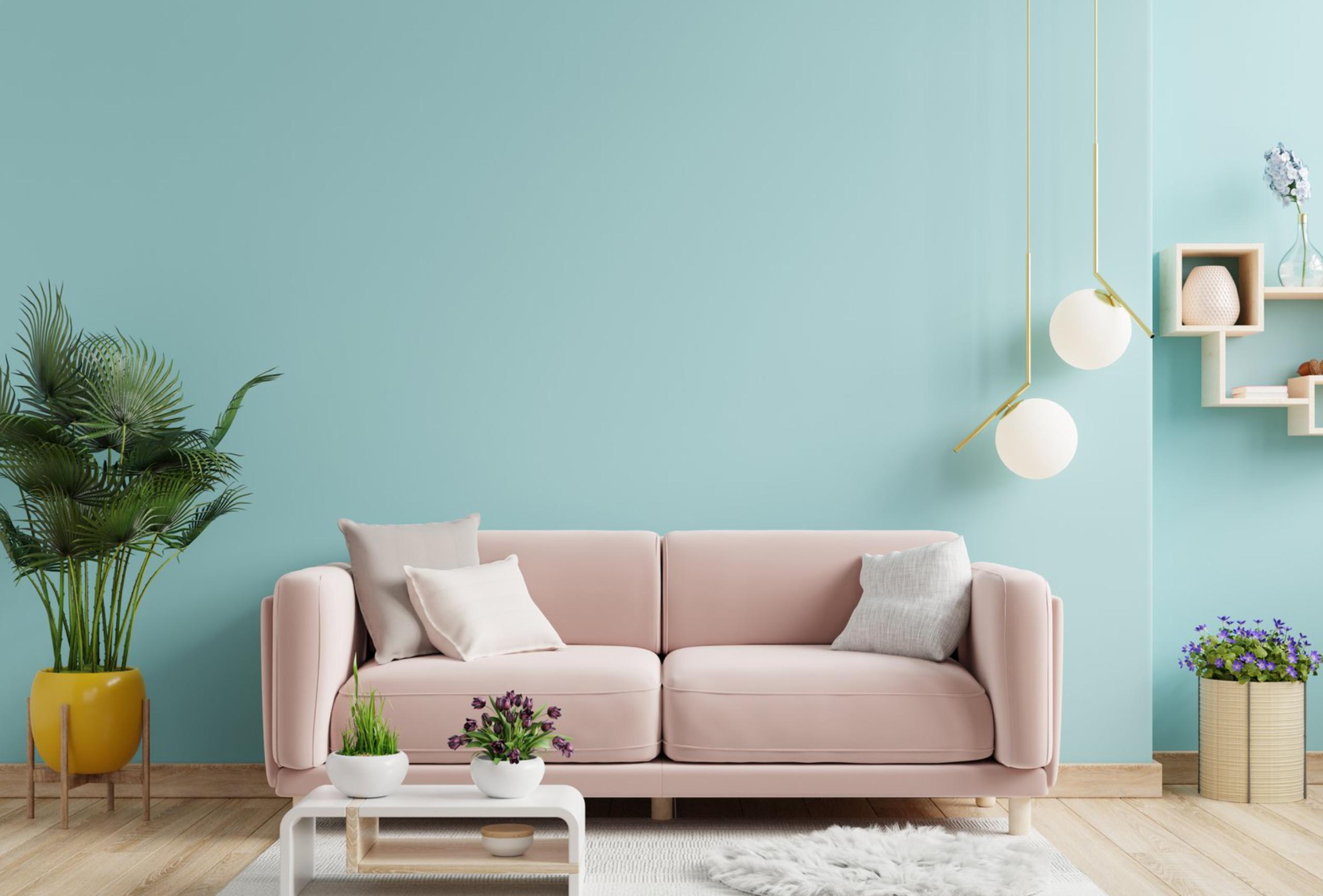
2. Soft, Subtle Tones
- Idea: Use lighter or muted colors for a gentle accent that adds depth without being overpowering.
- Example: Soft blush, sage, or powder blue.
- Tip: Works well in bedrooms or calm, cozy living areas.
3. Textured Walls
- Idea: Add texture with plaster, faux finishes, or wall treatments like shiplap or beadboard.
- Example: A reclaimed wood accent wall behind the bed or textured paint in the living room.
- Tip: Texture adds dimension and tactile appeal, especially in neutral spaces.
4. Geometric or Patterned Designs
- Idea: Use stripes, chevrons, or modern geometric patterns to create visual interest.
- Example: Black and white chevron wall in a home office or nursery.
- Tip: Keep patterns proportional to the room size to avoid overwhelming small spaces.
5. Gallery or Feature Walls
- Idea: Highlight the wall with artwork, framed photos, or shelves combined with a complementary paint color.
- Example: Deep teal wall with a gallery of black and gold frames.
- Tip: Use accent lighting to draw attention to featured décor elements.
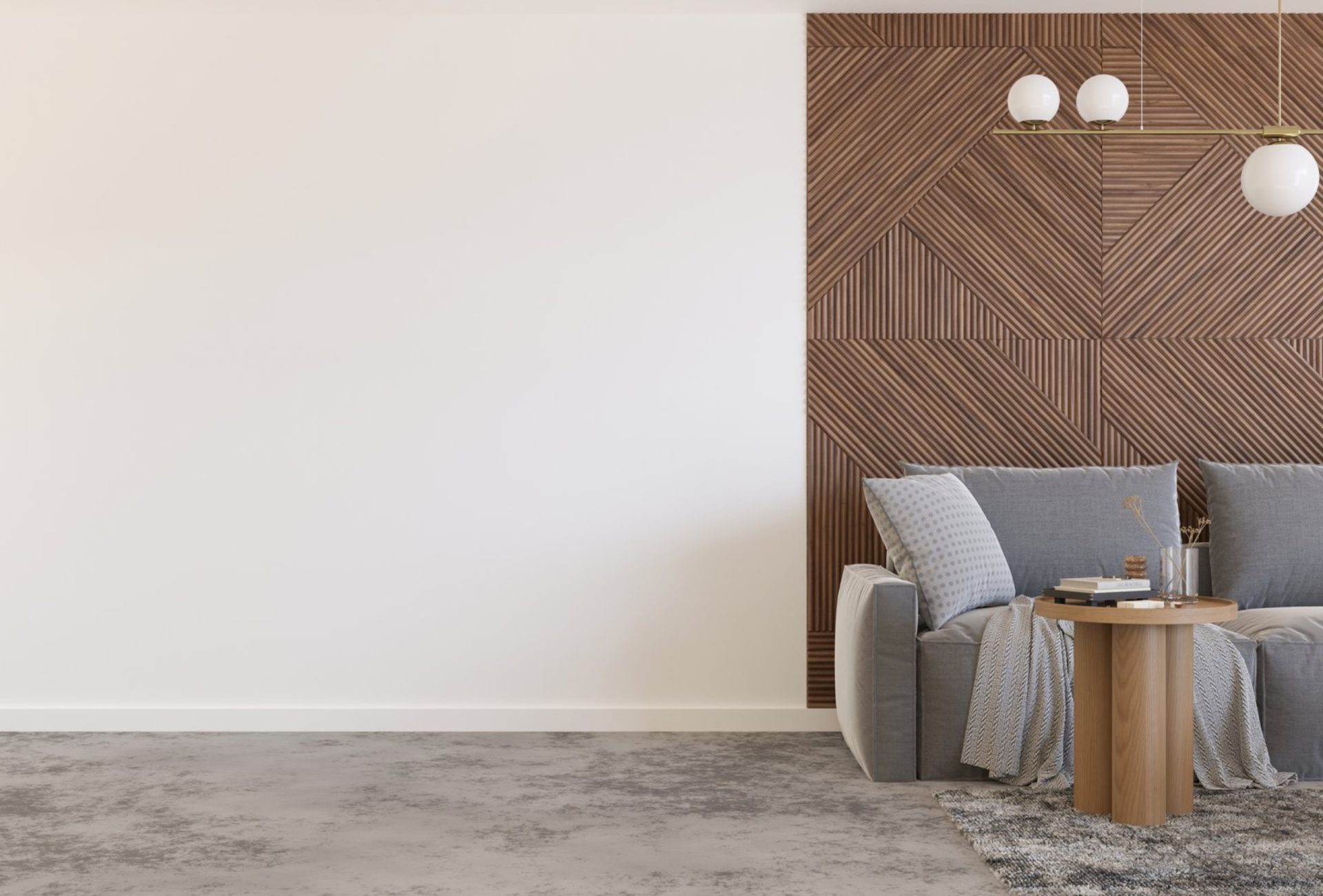
6. Natural Materials
- Idea: Stone, brick, or wood veneer can create a striking, organic accent wall.
- Example: Exposed brick in a living room or wood slats in a dining area.
- Tip: Combine with soft paint colors to balance warmth and texture.
How to Choose the Accent Wall Location
- Focal Points: Highlight fireplaces, beds, entertainment centers, or large windows.
- Room Layout: Avoid walls that are too small or broken up by doors and windows.
- Lighting: Natural light enhances bold colors; dim areas may benefit from lighter tones.
- Function: Living rooms and dining rooms allow for bold designs; bedrooms may benefit from calming accents.
Accent Wall Color Tips
- Contrast: Choose a color darker or lighter than the main wall color for maximum impact.
- Harmony: Select colors from the room’s existing palette for cohesion.
- Trending Shades: Navy, forest green, deep blush, warm taupe, and muted jewel tones are popular in 2026.
- Test Before Committing: Paint swatches on the wall to see how colors interact with lighting and furnishings.
Chicagoland Paint Pro Tip: Bold accent walls are dramatic, but soft or textured walls can add elegance without overwhelming the space.
Common Mistakes to Avoid
- Painting small or awkward walls—accent walls work best on prominent, visible walls.
- Choosing a color that clashes with décor—coordination is key.
- Ignoring room lighting—colors look different in natural vs. artificial light.
- Overcomplicating with patterns in small rooms—scale matters.
- Skipping prep—uneven surfaces or old paint will reduce the impact.
Professional vs DIY Accent Wall Painting
While DIY accent walls are achievable, professionals offer:
- Expertise in selecting colors and finishes that enhance room style
- Proper prep, including sanding, priming, and protecting surrounding walls
- Clean lines, crisp edges, and even coverage
- Advice on texture, patterns, and trending accent wall techniques
Chicagoland Paint Pro Tip: A professional accent wall can dramatically increase the “wow factor” in a room, even in older or challenging spaces.
Final Thoughts
Accent walls are a powerful tool to transform any room. From bold and dramatic to soft and subtle, the right wall can create depth, highlight architectural features, and express your personal style. Whether using color, texture, or pattern, a carefully planned accent wall brings rooms to life without the need for a complete repaint.
With preparation, strategic placement, and professional techniques, your accent wall can become the centerpiece of your home’s interior design.