



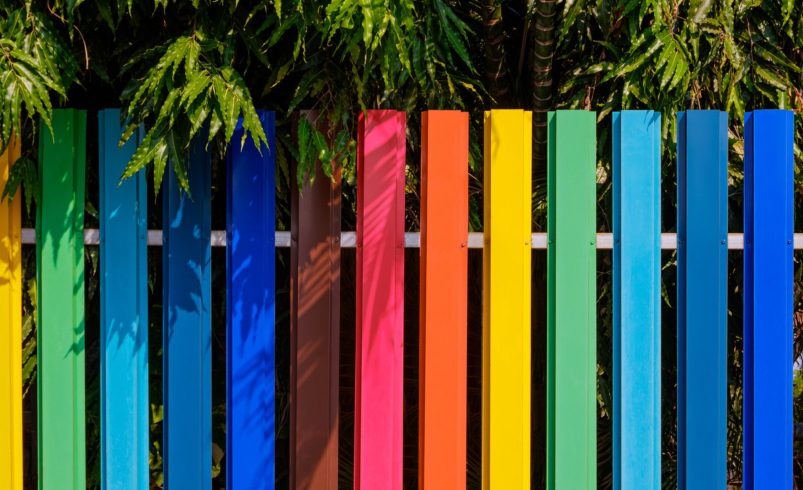

Your backyard fence is more than just a boundary—it’s an extension of your home’s style and a critical element in creating a cohesive outdoor space. Painting your fence not only protects it from the elements but also enhances the overall look of your garden, patio, or lawn. Whether you have a classic wooden fence, a modern metal fence, or a composite material, the right paint, color, and finish can transform your backyard into a welcoming, visually appealing retreat.
This guide explores fence painting ideas, tips, and techniques to elevate your outdoor space.
Why Painting Your Fence Matters
- Protection from Weather: Exterior paint shields wood and metal from rain, snow, sun, and temperature changes.
- Increases Longevity: Proper paint prevents rot, rust, warping, and decay.
- Aesthetic Appeal: A painted fence complements landscaping, decks, and outdoor features.
- Custom Style: Choose colors and finishes that reflect your personal taste and home design.
Chicagoland Paint Pro Tip: A freshly painted fence can boost property value and make your backyard feel polished and inviting.
Popular Fence Painting Ideas
1. Classic White or Neutral Shades
- Timeless and versatile, creating a clean and elegant look.
- Complements green lawns, gardens, and outdoor furniture.
- Works well with traditional homes and cottage-style designs.
2. Bold, Statement Colors
- Dark charcoal, navy blue, or forest green for a modern, sophisticated touch.
- Adds contrast and makes your backyard pop.
- Ideal for contemporary homes or accentuating a minimalist garden.
3. Natural Wood Tones
- Enhances the fence’s natural beauty while protecting the surface.
- Warm honey, cedar, or walnut shades create a rustic, earthy feel.
- Works best for wooden fences and harmonizes with stone or brick landscaping.
4. Two-Tone or Accent Highlights
- Main fence in a neutral color with bold accents on posts, gates, or lattice sections.
- Adds visual interest without overwhelming the backyard.
- Perfect for large fences or areas with varied landscaping.
5. Modern Matte or Satin Finishes
- Matte finishes hide imperfections and create a sleek, contemporary look.
- Satin finishes are durable, easy to clean, and slightly reflective for a polished effect.
Tips for Choosing the Right Fence Color
- Complement Your Home: Ensure the fence color coordinates with your house siding, trim, and roof.
- Match Landscaping: Consider foliage, flowers, and garden features for harmonious color schemes.
- Consider Lighting: Sunlight can dramatically change how colors appear—test small sections before painting.
- Neighborhood Style: Stand out subtly while maintaining cohesion with surrounding homes.
- Highlight Design Features: Use accent colors to emphasize gates, posts, or lattice patterns.
Pro Tip: Lighter colors make the backyard feel more spacious, while darker colors add drama and sophistication.
Preparing Your Fence for Painting
Proper preparation is essential for durability and a flawless finish:
- Clean Thoroughly: Remove dirt, mildew, and debris using a stiff brush, soap, and water.
- Repair Damage: Fix splits, cracks, or rotted wood and replace broken panels.
- Sand Rough Surfaces: Smooth splintered areas for better paint adhesion.
- Prime if Needed: Use a primer for bare wood or metal to improve paint adherence and protection.
Chicagoland Paint Pro Tip: Fence prep is just as important as the paint—skip it, and your fence won’t last as long.
Painting Techniques
- Use brushes for edges and detailed areas.
- Rollers or sprayers are ideal for large panels.
- Apply 2–3 thin coats rather than one thick coat to prevent drips and peeling.
- Always paint in mild, dry weather for best results.
- Protect nearby plants and outdoor furniture with drop cloths or plastic sheeting.
Maintenance Tips for Painted Fences
- Inspect annually for peeling, fading, or damage.
- Clean with mild detergent and soft brushes to remove dirt, mildew, or pollen.
- Touch up scratches or chips promptly to prevent moisture damage.
- Repaint every 5–10 years depending on the type of paint, finish, and exposure.
Common Mistakes to Avoid
- Skipping cleaning and prep before painting
- Using interior paint or low-quality exterior paint
- Painting during extreme weather conditions
- Applying too thick coats in a single pass
- Ignoring accent or trim details that enhance the overall look
Final Thoughts
Painting your backyard fence is a simple yet transformative project that improves aesthetics, protects materials, and enhances your outdoor living space. By choosing the right colors, finishes, and techniques, homeowners can create a stylish, durable, and cohesive backyard environment.
Whether you prefer classic whites, bold statement colors, natural wood tones, or modern matte finishes, a well-painted fence elevates your home’s exterior and creates a welcoming, polished outdoor space that stands the test of Chicago weather.