






Wooden fences are a beautiful and classic addition to any backyard, but they require proper care and maintenance to last. Painting a wooden fence not only enhances its aesthetic appeal but also protects it from moisture, rot, insects, and harsh weather conditions. In Chicago, where winters are cold and summers can be hot and humid, following the correct preparation and painting techniques is essential for durability and long-lasting beauty.
This guide provides step-by-step instructions on how to prep and paint wooden fences for a professional-quality finish.
Why Preparing Your Wooden Fence Matters
- Longevity: Proper prep prevents rot, cracking, and peeling.
- Better Paint Adhesion: Clean, smooth surfaces allow paint to stick evenly.
- Enhanced Appearance: A well-prepared fence ensures a uniform, polished look.
- Protection: Seals the wood against moisture, UV rays, and temperature fluctuations.
Chicagoland Paint Pro Tip: Skipping prep is the most common reason fence paint fails prematurely.
Step 1: Inspect the Fence
- Look for rotten, cracked, or warped boards.
- Check for loose nails or screws that need tightening.
- Identify peeling paint, mold, or mildew.
- Determine whether some boards need replacing before painting.
Step 2: Clean the Fence
- Use a stiff brush, soap, and water to remove dirt and mildew.
- For heavily soiled fences, consider a pressure washer, but keep the pressure moderate to avoid damaging the wood.
- Let the fence dry completely before moving to the next step.
Pro Tip: A dry fence ensures paint adheres properly and prevents bubbling.
Step 3: Remove Old Paint and Sand Surfaces
- Scrape off loose or peeling paint using a paint scraper.
- Sand rough spots, splinters, or uneven areas with medium-grit sandpaper.
- Feather the edges where paint was removed to create a smooth transition.
Step 4: Repair the Fence
- Replace damaged boards to maintain structural integrity.
- Fill cracks and holes with exterior-grade wood filler.
- Ensure repairs are smooth and flush with the surrounding surface.
Chicagoland Paint Pro Tip: Paint adheres better to repaired areas when they are sanded smooth and primed.
Step 5: Prime the Fence
- Apply a high-quality exterior primer to bare wood or repaired areas.
- Priming improves paint adhesion and protects the wood from moisture.
- Use a primer suitable for wood and outdoor conditions.
Pro Tip: For new wood fences, priming all surfaces is recommended for maximum protection.
Step 6: Choose the Right Paint
- Use exterior-grade acrylic latex paint for durability and weather resistance.
- Oil-based paints are also an option for added protection but take longer to dry.
- Select finishes:
- Semi-gloss: Durable and easy to clean
- Satin: Slight sheen, hides minor imperfections
- Matte: Soft, natural look but less washable
Step 7: Painting Techniques
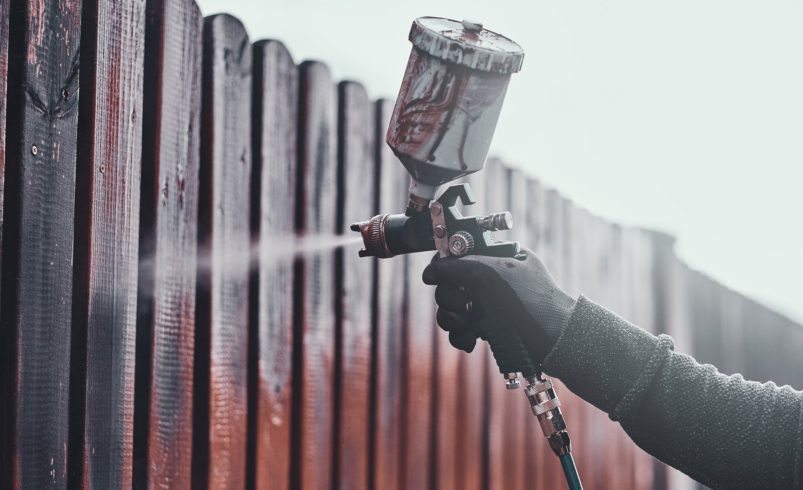
- Use brushes for edges and corners, rollers for larger panels, or a sprayer for smooth, even coverage.
- Apply 2–3 thin coats, allowing each coat to dry completely before the next.
- Maintain a wet edge to avoid lap marks.
- Protect plants, furniture, and pathways with drop cloths or plastic sheeting.
Chicagoland Paint Pro Tip: Paint during mild, dry weather for best adhesion and finish.
Step 8: Maintenance Tips
- Inspect your painted fence annually for peeling, fading, or damage.
- Clean with mild detergent and soft brushes to remove dirt, mold, or mildew.
- Touch up scratches or chips promptly to prevent water infiltration.
- Repaint every 5–10 years, depending on paint type, exposure, and climate conditions.
Common Mistakes to Avoid
- Painting over dirty or wet surfaces
- Skipping sanding or primer
- Using low-quality or interior paint
- Applying thick coats instead of multiple thin layers
- Painting in extreme temperatures or high humidity
Final Thoughts
Proper preparation and painting of wooden fences are essential for both aesthetics and protection. By inspecting, cleaning, repairing, priming, and using the right exterior paint, Chicago homeowners can enjoy a beautiful, long-lasting backyard fence.
Following these steps ensures that your wooden fence remains durable, weather-resistant, and visually appealing, enhancing the overall look and value of your outdoor space for years to come.