






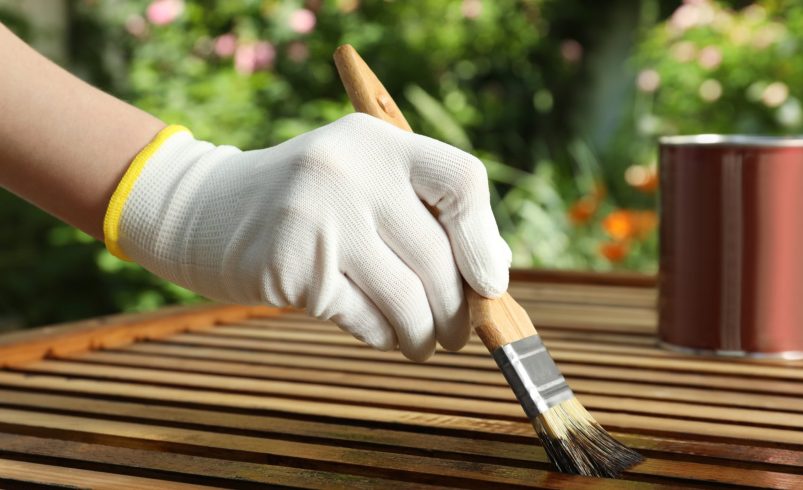

Your deck is more than just an outdoor platform—it’s an extension of your living space, a place for family gatherings, and a showcase of your home’s exterior style. Properly painting or staining your deck enhances its appearance, protects it from harsh weather, and extends its lifespan. For homeowners in Chicago, where decks face sun, rain, snow, and humidity, following the right techniques is critical for durability and a professional finish.
This guide provides essential deck painting tips for long-lasting results.
Why Painting or Staining Your Deck Matters
- Protection: Paint and stain protect wood from moisture, UV rays, and temperature fluctuations.
- Longevity: Properly applied coatings prevent cracking, warping, and rotting.
- Aesthetic Appeal: Freshly painted or stained decks improve curb appeal and complement landscaping.
- Safety: Prevents splinters, reduces slipping, and maintains structural integrity.
Chicagoland Paint Pro Tip: A well-maintained deck not only looks beautiful but also increases your home’s outdoor usability and value.
Choosing the Right Paint or Stain
Deck Paint
- Provides a solid, uniform color and excellent coverage.
- Ideal for older decks with imperfections or faded surfaces.
- Use high-quality exterior acrylic paint for flexibility and durability.
- Semi-gloss or satin finishes are recommended for easy cleaning and slight reflectivity.
Deck Stain
- Enhances natural wood grain and provides UV and water protection.
- Solid stains offer full color coverage while showing texture.
- Semi-transparent stains provide subtle color while highlighting wood’s natural look.
- Transparent stains allow wood grain to show fully while protecting against moisture.
Pro Tip: For new wood decks, consider staining first to preserve natural beauty, then paint if you want bold, solid colors.
Preparing Your Deck for Painting
Proper preparation ensures paint or stain adheres well and lasts longer:
- Clean the Deck: Remove dirt, mildew, and algae using a deck cleaner or mild detergent solution.
- Inspect for Damage: Check for loose boards, nails, and splinters. Repair or replace damaged areas.
- Sand the Surface: Smooth rough spots, old paint edges, or weathered areas for better adhesion.
- Remove Old Paint or Stain: Strip peeling or cracked surfaces using a paint scraper or pressure washer.
- Apply Primer or Wood Conditioner: Primer for paint, wood conditioner for stain, especially on new wood.
Chicagoland Paint Pro Tip: A dry deck is essential—moisture trapped in the wood will prevent proper adhesion.
Painting or Staining Techniques
- Brushes: Ideal for edges, railings, and corners.
- Rollers: Efficient for large deck surfaces; ensures smooth coverage.
- Sprayers: Fast application; best for uniform finish on large or detailed decks.
- Thin Coats: Apply 2–3 thin coats instead of one thick coat to avoid drips and peeling.
- Work Systematically: Start at one corner and maintain a wet edge to avoid lap marks.
Pro Tip: Paint or stain in mild, dry weather for optimal curing and adhesion.
Choosing the Right Colors for Your Deck
- Natural Wood Shades: Browns, tans, and cedar tones complement greenery and outdoor furniture.
- Bold Colors: Deep gray, navy, or charcoal for modern aesthetics.
- Neutral Colors: Soft grays or beige tones for a timeless, versatile look.
- Two-Tone Combinations: Paint or stain the deck surface one color, railings another for contrast and dimension.
Chicagoland Paint Pro Tip: Test samples in sunlight to see the true color and how it complements your home exterior.
Maintenance Tips for a Long-Lasting Deck
- Inspect annually for peeling, fading, or water damage.
- Clean with mild detergent and soft brushes to remove dirt and mildew.
- Touch up scratches or damaged areas promptly.
- Reapply stain or paint every 3–7 years, depending on exposure, climate, and product type.
- Use waterproof sealers for extra protection in harsh climates.
Common Mistakes to Avoid
- Painting or staining over dirty, wet, or untreated surfaces
- Using low-quality or interior paint
- Skipping sanding or primer
- Applying thick coats instead of multiple thin layers
- Painting during extreme heat, humidity, or cold weather
Final Thoughts
A well-painted or stained deck enhances your outdoor living space, protects the wood, and ensures years of use and enjoyment. By selecting the right paint or stain, preparing the surface thoroughly, and following proper application techniques, Chicago homeowners can achieve a professional, long-lasting finish.
Whether you prefer natural wood tones, bold modern colors, or classic neutrals, a beautifully finished deck elevates both the aesthetics and functionality of your backyard.