




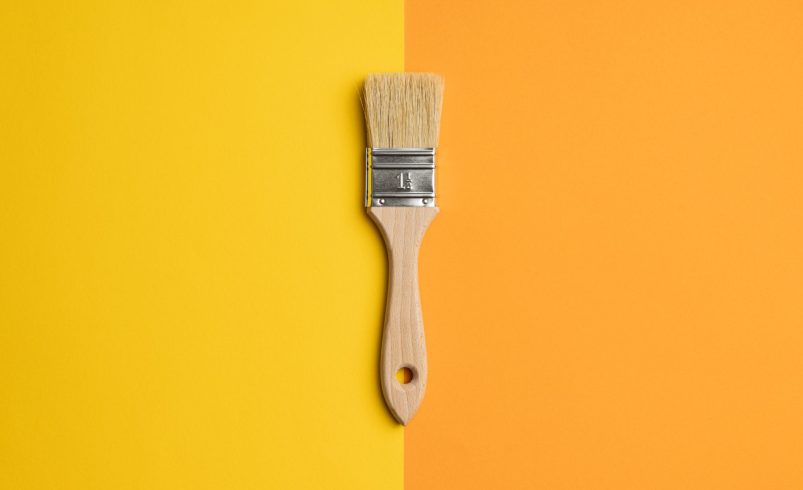

Choosing the right paint brush is essential for achieving a professional-looking finish, whether you’re painting walls, cabinets, trim, or furniture. With countless brush types, bristle materials, and sizes available, knowing which brush to use for each surface can make a big difference in your painting results. This guide will help you select the best brushes for every surface and finish.
1. Understanding Brush Types
Paint brushes vary by shape, size, and bristle type, each designed for specific tasks:
- Flat Brushes: Ideal for covering large, flat surfaces quickly. They hold a lot of paint and provide a smooth, even finish. Perfect for walls and ceilings.
- Angle Brushes: Designed for precise cutting and trim work. The angled bristles make it easy to paint corners and edges cleanly.
- Round Brushes: Often used for detail work, furniture, and decorative painting. They provide control for curves and intricate areas.
- Fan Brushes: Useful for blending, texturing, and faux finishes. They distribute paint lightly and evenly.
Pro Tip: Choose a brush shape that matches the surface and painting style for clean, professional results.
2. Bristle Material: Synthetic vs Natural
The bristle material affects paint application, finish, and durability:
1. Synthetic Brushes (Nylon/Polyester):
- Best for water-based paints like latex.
- Provide a smooth finish without shedding.
- Easy to clean and maintain.
- Affordable and versatile for most DIY and professional projects.
2. Natural Bristle Brushes (Animal Hair, e.g., Ox, Badger, or Sable):
- Ideal for oil-based paints, varnishes, and stains.
- Hold more paint and deliver a fine, even finish.
- More expensive but offer superior performance on traditional finishes.
Pro Tip: Avoid using natural bristle brushes with water-based paints; they absorb water, become limp, and lose their shape.
3. Brush Size and Application
Brush size matters depending on the surface:
- 1–2 inch brushes: Perfect for trim, moldings, and corners.
- 2–3 inch brushes: Good for doors, cabinets, and medium-sized surfaces.
- 3–4 inch brushes: Suitable for walls, large furniture pieces, and broad surfaces.
Pro Tip: Use smaller brushes for precision and larger brushes to speed up coverage on wide areas.
4. Specialty Brushes for Unique Surfaces
Some surfaces require specific brushes for best results:
- Stippling Brushes: Ideal for textured walls and faux finishes.
- Chisel-Edge Brushes: Useful for cutting in and detailed trim work.
- Foam Brushes: Excellent for smooth finishes on cabinets, furniture, and small crafts; they leave minimal brush marks.
Pro Tip: Always match the brush to the paint and surface for a flawless finish.
5. Tips for Choosing a Brush That Lasts
A high-quality brush saves money and improves your painting experience:
- Check Bristle Density: Denser bristles hold more paint and provide better coverage.
- Look for Tapered Bristles: Tapered bristles offer smoother application and reduce streaking.
- Secure Ferrule: Ensure the metal ferrule (the part holding the bristles) is tightly attached to avoid shedding.
- Proper Cleaning: Clean brushes immediately after use to maintain bristle shape and longevity.
- Storage: Hang brushes or store flat to avoid bending bristles.
Pro Tip: Invest in quality brushes—cheap brushes often shed and result in uneven finishes, costing more in time and paint.
6. Recommended Brushes for Different Projects
- Walls & Ceilings: 3–4 inch synthetic flat brushes or high-quality rollers.
- Trim & Moldings: 1–2 inch angled synthetic or natural brushes.
- Cabinets & Furniture: Synthetic brushes for latex, natural bristle brushes for oil-based finishes.
- Exterior Projects: Synthetic brushes resistant to weather and rough surfaces.
Pro Tip: Have multiple brushes for different surfaces to avoid mixing paints and finishes.
7. Final Thoughts
Paint brushes are more than just tools—they determine the quality of your finish. Selecting the right type, bristle material, and size for each surface ensures smooth, professional results and reduces frustration. High-quality brushes, properly maintained, can last for years, saving time and money while making painting projects more enjoyable.