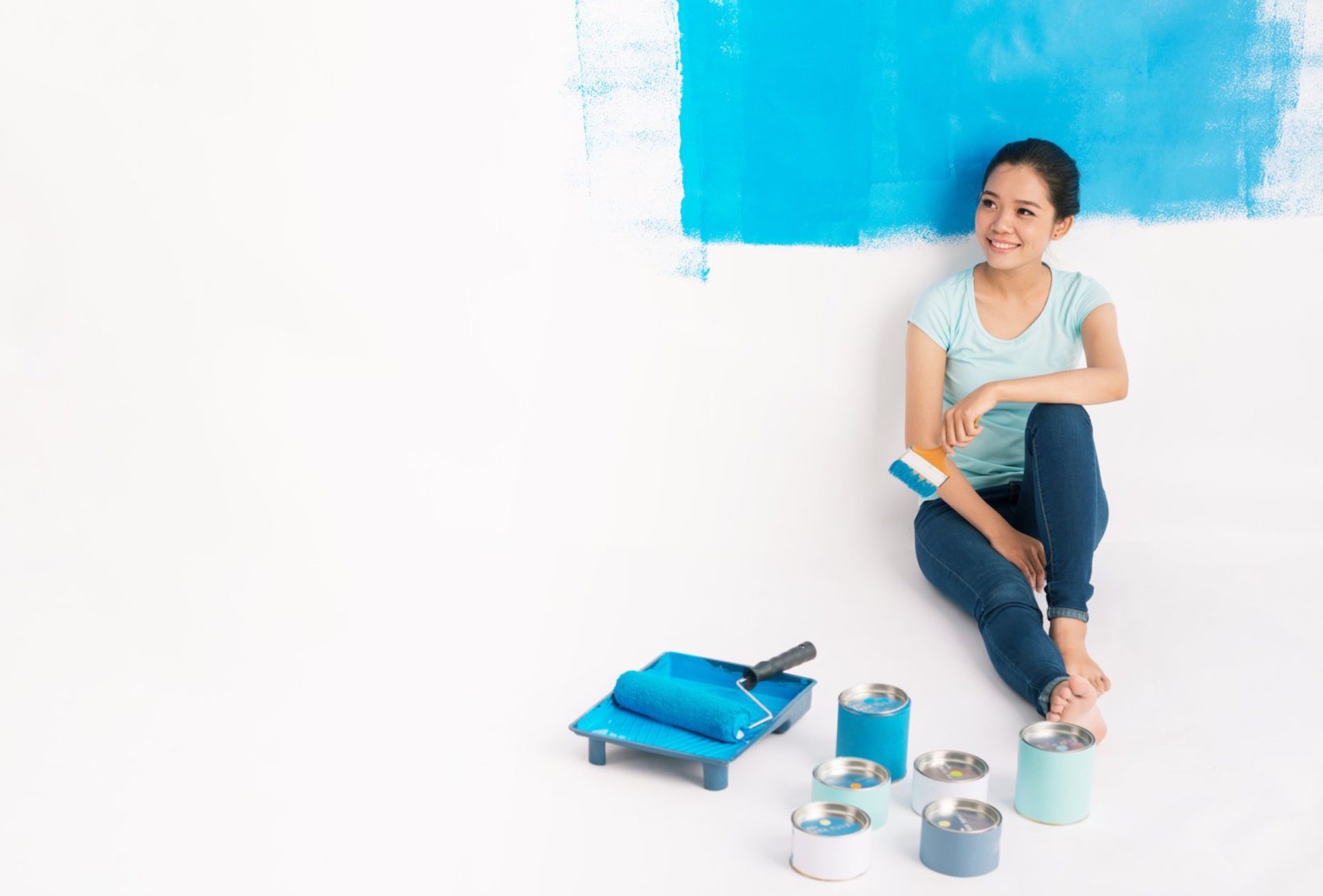





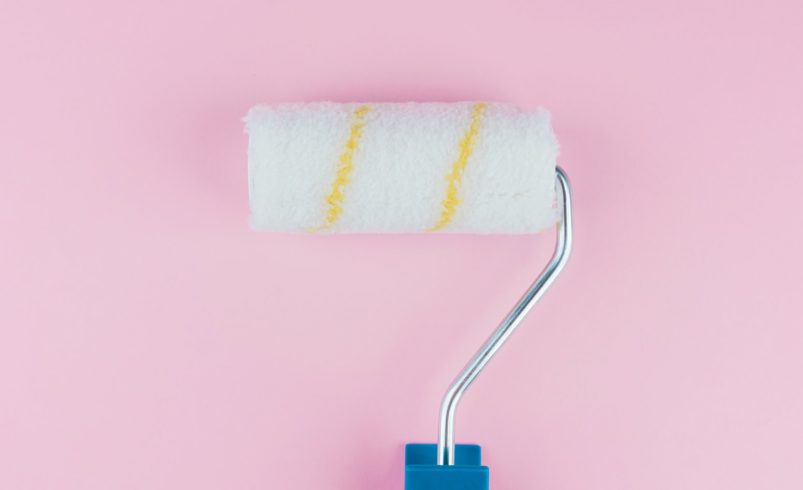

Using the right paint roller can dramatically improve your painting efficiency and the quality of your finish. Whether you are covering walls, ceilings, or exterior surfaces, selecting a roller that matches your paint type, surface texture, and project size ensures smooth, even coverage without streaks or splatters.
1. Understanding Paint Roller Types
Paint rollers differ in material, nap length, and core construction, which all affect performance:
- Foam Rollers:
- Ideal for smooth surfaces like doors, cabinets, and trim.
- Excellent for water-based paints, leaving a sleek, streak-free finish.
- Not recommended for textured walls as they can leave gaps.
- Fabric Rollers (Synthetic or Natural Fibers):
- Suitable for walls and ceilings with light to medium texture.
- Synthetic fibers work best with water-based paints; natural fibers excel with oil-based paints.
- Provide consistent coverage with minimal shedding.
- Microfiber Rollers:
- Offer superior paint release for smooth finishes.
- Perfect for high-end finishes and projects requiring precision.
2. Nap Length: Match the Surface
The nap (or pile) of a roller affects paint absorption and coverage:
- Short Nap (1/4” to 3/8”):
- Best for smooth surfaces like drywall and plaster.
- Provides even coverage without texture.
- Medium Nap (1/2” to 3/4”):
- Works well on lightly textured walls, ceilings, or lightly sanded wood.
- Long Nap (1” to 1-1/4”):
- Ideal for rough or heavily textured surfaces, like stucco or brick.
- Holds more paint and reaches into crevices efficiently.
Pro Tip: Choosing the wrong nap length can result in uneven coverage, excessive splattering, or wasted paint.
3. Roller Core and Frame Quality
- Plastic or Metal Core: Durable and prevents warping under heavy paint load.
- Ergonomic Frames: Comfortable handles reduce fatigue on large projects.
- Adjustable or Extendable Handles: Essential for ceilings and high walls.
Pro Tip: Invest in a high-quality frame to prevent wobbling and ensure smooth, consistent rolling.
4. Specialty Rollers
Some rollers are designed for specific applications:
- Mini Rollers: Great for corners, trim, cabinets, and furniture.
- Corner Rollers: Made to reach tight edges without using a brush.
- Texturing Rollers: Create decorative finishes like stucco or popcorn wall effects.
Pro Tip: Having a variety of roller sizes allows you to tackle any part of a project efficiently.
5. Cleaning and Maintenance
- Water-Based Paints: Clean synthetic rollers with warm soapy water immediately after use.
- Oil-Based Paints: Use mineral spirits or paint thinner to remove residue from natural fiber rollers.
- Storage: Keep rollers dry and stored upright or wrapped in plastic to preserve nap integrity.
Pro Tip: Proper cleaning prevents shedding, keeps the roller smooth, and extends its lifespan.
6. Recommended Rollers for Different Projects
- Walls & Ceilings: Medium nap fabric roller for smooth or lightly textured surfaces.
- Trim & Cabinets: Foam rollers for streak-free finishes.
- Exterior Projects: Long nap rollers resistant to rough surfaces and weather conditions.
- High-End Finishes: Microfiber rollers for even, professional-grade results.
7. Final Thoughts
Choosing the right paint roller is just as important as selecting brushes. Understanding the surface, paint type, nap length, and roller material ensures smooth, even coverage with fewer strokes and less mess. High-quality rollers save time, reduce paint waste, and produce professional results, making them a must-have for any DIYer or professional painter.