
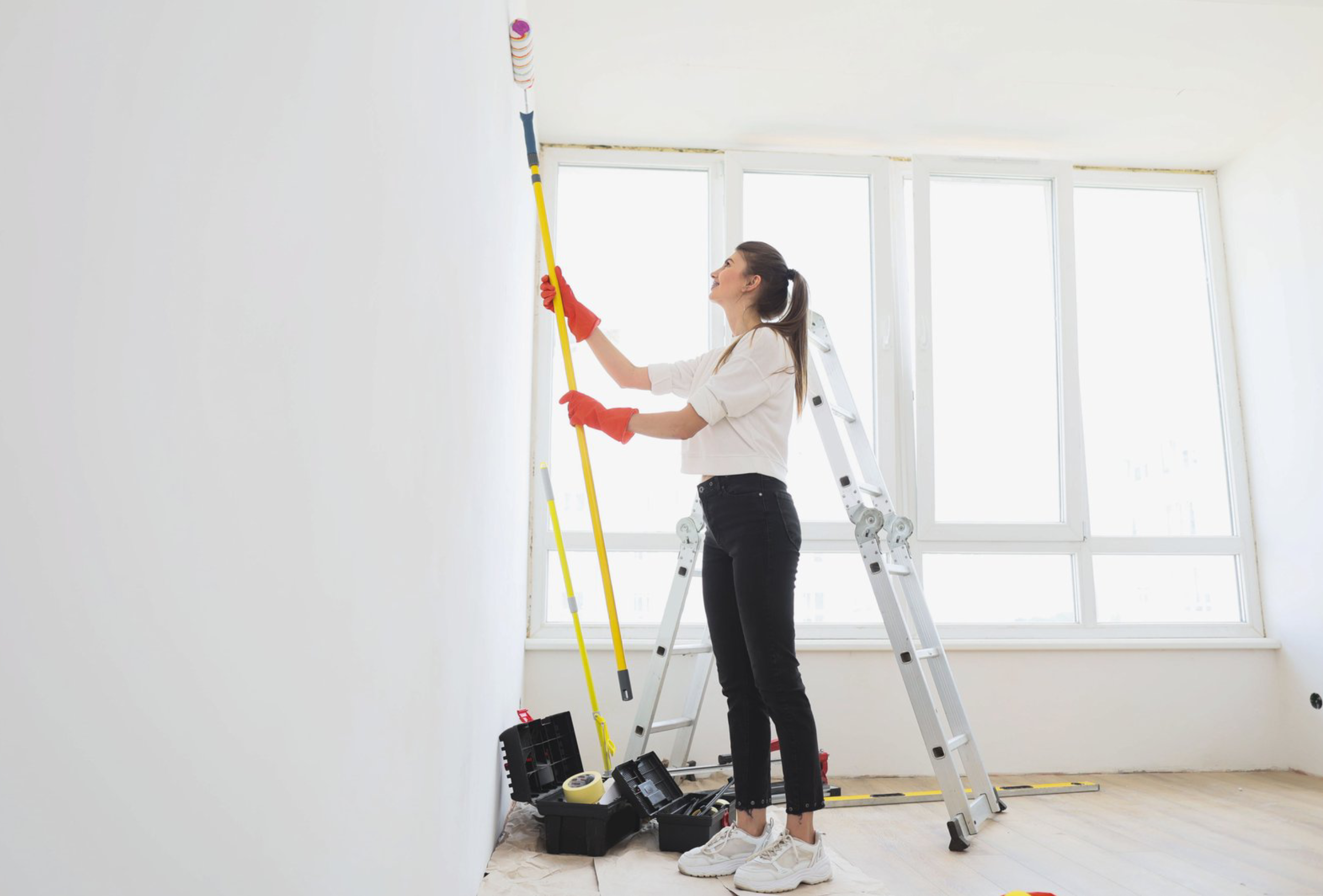




Choosing the right time to paint your home is just as important as selecting the right paint. In Chicagoland, seasonal weather conditions—including temperature fluctuations, humidity, rain, and wind—play a critical role in paint adhesion, drying time, and long-term durability. Painting at the wrong time can result in peeling, cracking, fading, or bubbling, causing both frustration and extra expenses.
This guide helps homeowners determine the best time to paint their homes, factoring in Chicago’s unique climate and seasonal challenges.
Why Timing Matters
Painting is not just a cosmetic project—it’s an investment in the longevity and protection of your home. Timing affects:
- Paint Adhesion: Surfaces need optimal temperature and dryness to allow paint to bond correctly.
- Drying and Curing: Extreme heat, cold, or humidity can slow or accelerate paint drying, impacting smoothness and durability.
- Weather Protection: Painting during storms or high humidity can ruin wet paint.
- Project Efficiency: Weather delays can extend project timelines and increase labor costs.
Ideal Temperature and Humidity for Painting
- Temperature Range: For most latex paints, 50°F to 85°F is ideal. Extreme temperatures—both hot and cold—can compromise the paint finish.
- Humidity Levels: Aim for humidity under 85% to prevent paint from drying too slowly or forming bubbles.
- Surface Condition: Exterior surfaces must be fully dry and free from frost, dew, or snow. Interior surfaces require controlled temperature and ventilation.
Best Seasons for Exterior Painting
1. Late Spring (May–June)
- Pros:
- Moderate temperatures and low frost risk
- Longer daylight hours allow full workdays
- Surfaces are usually dry after spring rains
- Cons:
- Occasional spring showers can delay projects
- Humidity can vary, affecting drying times
Tip: Schedule painting during dry weeks and avoid early mornings when dew is present.
2. Summer (July–August)
- Pros:
- Warm temperatures speed up drying
- Long days allow for extended work hours
- Ideal for latex and oil-based paints
- Cons:
- High temperatures may cause paint to dry too fast, creating streaks or lap marks
- Direct sun can heat siding unevenly, affecting finish
- Afternoon thunderstorms are common
Tip: Paint in early morning or late afternoon to avoid peak sun heat.
3. Early Fall (September–October)
- Pros:
- Cooler temperatures prevent overheating of surfaces
- Lower humidity and reduced rainfall compared to spring
- Crisp autumn weather is ideal for even curing
- Cons:
- Shorter daylight hours can limit work time
- Early frost or sudden cold snaps can occur
Tip: Schedule exterior painting projects in early fall to maximize favorable weather windows.
4. Winter (November–March)
- Pros:
- Rarely ideal for exterior painting
- Interior painting possible in controlled environments
- Cons:
- Cold temperatures prevent proper curing
- Frost, ice, and snow damage paint adhesion
- High heating indoors can dry paint too quickly, causing cracks
Tip: Focus on interior projects with temperature and humidity control.
Best Seasons for Interior Painting
Interior painting is less dependent on outdoor weather but still affected by seasonal changes:
- Spring: Moderate indoor temperatures and ventilation help with drying.
- Summer: Good for high-humidity areas with dehumidifiers and fans.
- Fall: Stable temperatures and lower humidity create ideal conditions.
- Winter: Requires heating and dehumidifiers to maintain proper drying and curing.
Additional Factors to Consider
- Home Exterior Material: Wood, vinyl, brick, and stucco respond differently to temperature and moisture.
- Local Weather Forecasts: Even in ideal months, unexpected rain, snow, or wind can delay painting.
- Project Size: Larger projects may require flexible timing to ensure proper surface preparation and application.
- Professional Scheduling: Experienced painters can identify optimal painting windows and adapt to weather changes.
Tips for Scheduling Painting Projects
- Track Weather Patterns: Use reliable forecasts to plan exterior painting weeks in advance.
- Avoid Extreme Conditions: Skip painting during heat waves, cold snaps, or rainstorms.
- Plan for Drying Time: Factor in extra days for curing, especially for multi-coat projects.
- Professional Assessment: Hire professional painters to assess timing and surface readiness for long-lasting results.
Why Hiring Professionals Matters
Professional painters in Chicago understand the challenges posed by seasonal changes:
- Properly prep surfaces for weather conditions
- Select paints that perform well in temperature and humidity extremes
- Adjust application techniques for optimal adhesion and drying
- Schedule projects around forecasted weather for efficiency
Chicagoland Paint Pro specializes in helping homeowners choose the best painting schedule based on seasonal weather, ensuring your home looks beautiful and remains protected year-round.
Final Checklist for Best Time to Paint
- Check temperature and humidity ranges for ideal painting
- Schedule exterior painting during late spring, summer, or early fall
- Plan interior projects year-round with controlled indoor conditions
- Avoid painting during extreme heat, cold, or precipitation
- Use high-quality paints suitable for seasonal challenges
- Consider professional painters for timing, surface prep, and weather adaptation
Conclusion
Timing is critical when painting your home. Choosing the best season—factoring in Chicago’s fluctuating temperatures, humidity, and rainfall—ensures a smooth, durable, and visually stunning finish. Late spring, summer, and early fall are optimal for exterior painting, while interior projects can be managed year-round with temperature control.
Chicagoland Paint Pro helps homeowners navigate seasonal challenges, offering expert advice, professional painting services, and long-lasting results tailored to Chicagoland’s unique climate.