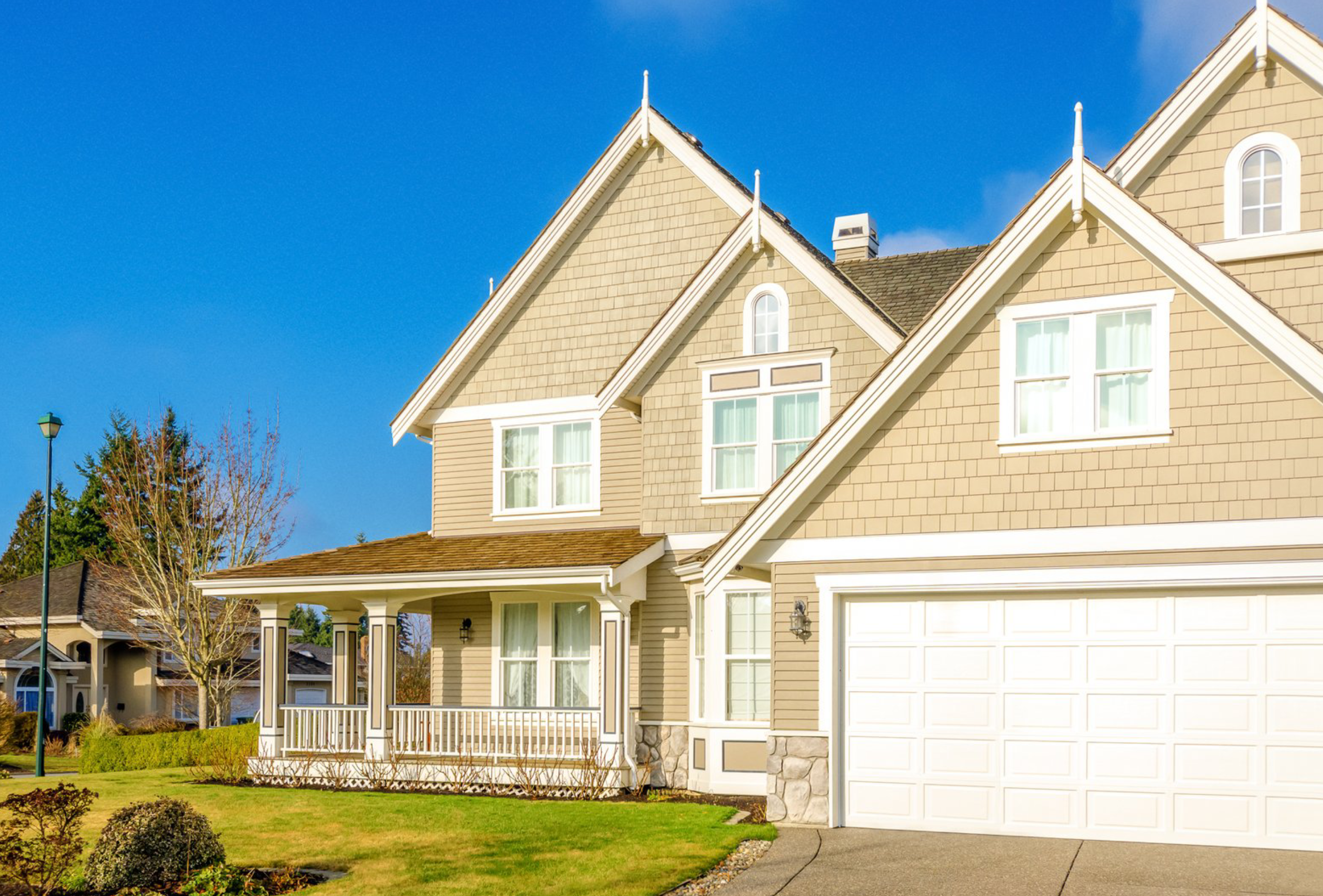

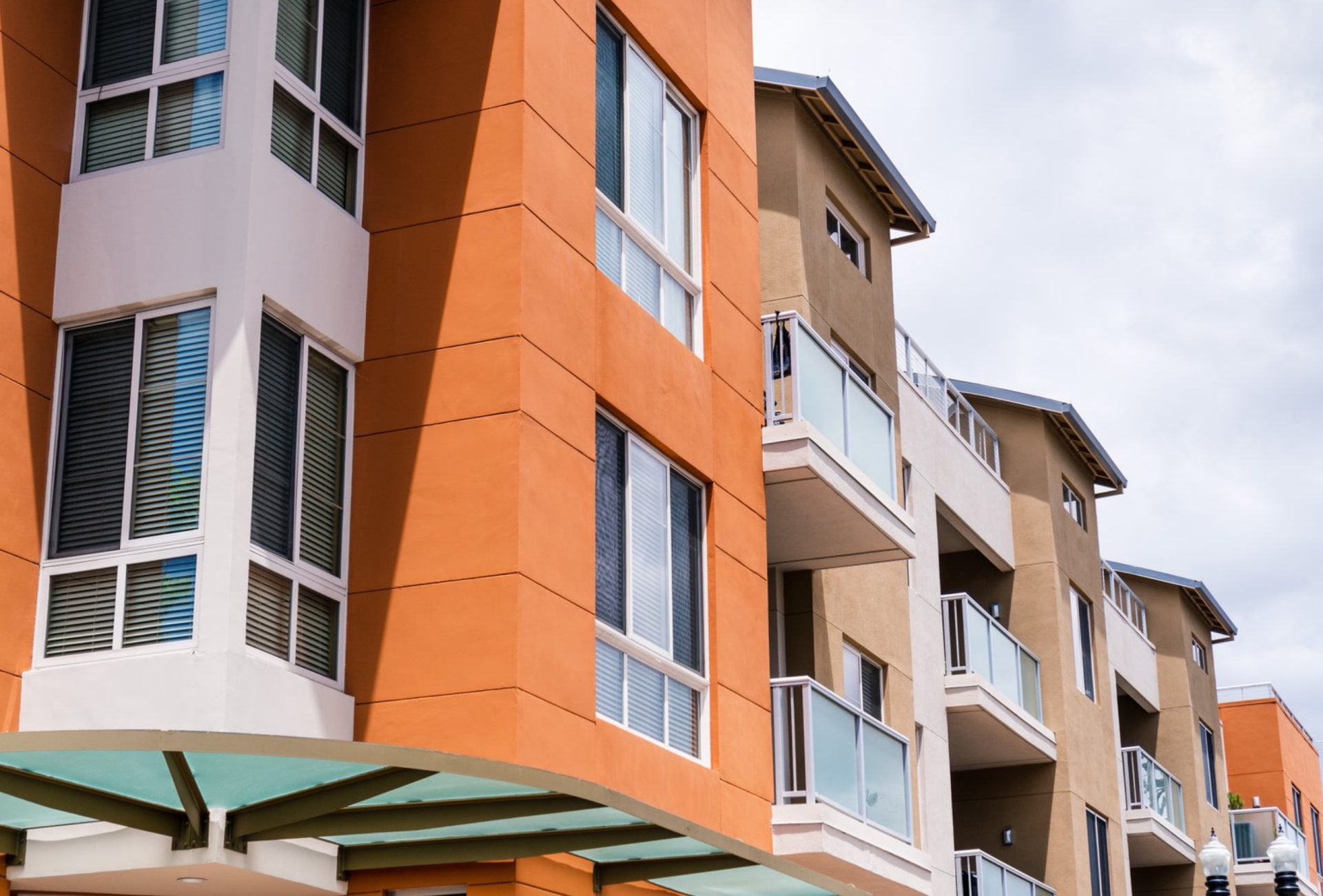






Painting a single-family home is one of the most effective ways to enhance its beauty, protect its structure, and increase its value. Whether you’re updating your interior spaces or refreshing your home’s exterior, a well-planned painting project can completely transform your living environment.
However, painting a single-family home requires more than just picking a color and applying paint. From preparation to product selection and application techniques, every step plays a crucial role in achieving professional, long-lasting results—especially in regions like Chicago where weather conditions can be unpredictable.
This comprehensive guide will walk you through essential residential painting tips to help you achieve a flawless finish.
Why Painting Your Home Matters
- Boosts Curb Appeal: A fresh coat of paint makes your home look clean, modern, and well-maintained.
- Protects Surfaces: Paint acts as a barrier against moisture, UV rays, and wear and tear.
- Increases Property Value: A professionally painted home attracts buyers and improves resale potential.
- Enhances Comfort: Interior paint colors can influence mood, lighting, and overall ambiance.
Chicagoland Paint Pro Tip: A well-executed paint job is both a visual upgrade and a long-term investment in your home.
Planning Your Painting Project
Before starting, proper planning is essential:
1. Define Your Goals
- Are you updating for resale or personal preference?
- Do you want a modern look, classic style, or bold statement?
- Are you painting interior, exterior, or both?
2. Set a Budget
- Include costs for paint, primer, tools, repairs, and labor (if hiring professionals).
- High-quality paint may cost more upfront but saves money in the long run.
3. Choose the Right Time
- Exterior Painting: Best done in mild, dry weather.
- Interior Painting: Can be done year-round but ensure proper ventilation.
Choosing the Right Paint
Interior Paint
- Flat/Matte: Ideal for ceilings and low-traffic areas.
- Eggshell/Satin: Great for living rooms and bedrooms.
- Semi-Gloss/Gloss: Best for kitchens, bathrooms, trim, and doors.
Exterior Paint
- Acrylic Latex Paint: Durable, flexible, and weather-resistant.
- Oil-Based Paint: Strong adhesion and smooth finish for trim or high-wear areas.
Pro Tip: Always choose paints specifically formulated for interior or exterior use—never interchange them.
Selecting the Perfect Colors
Interior Color Tips
- Light colors make rooms feel larger and brighter.
- Dark tones add depth, coziness, and sophistication.
- Neutral shades provide flexibility for furniture and décor changes.
Exterior Color Tips
- Choose colors that complement your roof, landscaping, and neighborhood.
- Consider how colors look in natural light and different seasons.
- Use contrasting trim colors to highlight architectural features.
Chicagoland Paint Pro Tip: Test paint samples on walls and observe them throughout the day before making a final decision.
Surface Preparation: The Key to Success
Preparation is the most important step in any painting project:
- Clean Surfaces: Remove dust, grease, mildew, and dirt.
- Repair Damage: Fill cracks, holes, and dents with appropriate fillers.
- Sand Surfaces: Smooth rough areas and remove peeling paint.
- Prime Surfaces: Apply primer to improve adhesion and coverage.
Skipping prep work often leads to peeling, cracking, or uneven finishes.
Tools You’ll Need
- Paint brushes (angled for precision work)
- Rollers and roller frames
- Paint trays
- Drop cloths or plastic sheets
- Painter’s tape
- Sandpaper or sanding tools
- Ladder (for exterior or high areas)
Pro Tip: High-quality tools result in smoother finishes and easier application.
Painting Techniques for Professional Results
- Use Thin Coats: Apply multiple thin layers rather than one thick coat.
- Maintain a Wet Edge: Prevent visible lines or streaks by working continuously.
- Follow the Grain: Especially important for wood surfaces.
- Work Top to Bottom: Helps manage drips and ensures even coverage.
Interior Painting Tips
- Remove or cover furniture and flooring before starting.
- Use painter’s tape for clean edges around trim, outlets, and ceilings.
- Start with ceilings, then walls, and finish with trim and doors.
- Allow proper drying time between coats.
Exterior Painting Tips
- Check weather forecasts to avoid rain or extreme temperatures.
- Power wash surfaces to remove dirt and mildew.
- Repair cracks, gaps, or damaged siding before painting.
- Use ladders safely and consider professional help for multi-story homes.
Maintenance After Painting
- Clean painted surfaces regularly to maintain appearance.
- Inspect exterior paint annually for cracks or peeling.
- Touch up high-traffic or weather-exposed areas as needed.
- Repaint interiors every 5–7 years and exteriors every 7–10 years depending on conditions.
Common Mistakes to Avoid
- Skipping preparation work
- Choosing low-quality paint
- Ignoring weather conditions for exterior projects
- Applying thick coats instead of thin layers
- Not allowing sufficient drying time between coats
- Using the wrong tools or techniques
DIY vs Professional Painting
DIY Painting
Pros:
- Cost-effective
- Flexible timing
Cons:
- Time-consuming
- Requires skill and proper tools
Hiring Professionals
Pros:
- High-quality, efficient results
- Proper surface preparation and techniques
Cons:
- Higher upfront cost
Chicagoland Paint Pro Tip: For large homes or exterior projects, hiring professionals ensures safety, efficiency, and long-lasting results.
Final Thoughts
Painting a single-family home is a powerful way to refresh your living space and protect your investment. With proper planning, high-quality materials, thorough preparation, and the right techniques, you can achieve a stunning and durable finish.
Whether you’re tackling a DIY project or hiring professionals, following these residential painting tips will help you create a home that looks beautiful, feels inviting, and stands up to the elements for years to come.