




Choosing the right exterior paint color for your single-family home is one of the most important design decisions you’ll make. The color you select not only defines your home’s personality but also impacts curb appeal, neighborhood harmony, and even resale value. A well-chosen exterior color can make your home stand out in the best way—while a poor choice can diminish its overall appeal.
For homeowners in Chicago, selecting exterior colors also means considering seasonal changes, lighting conditions, and durability against weather extremes. This guide explores the best paint colors for single-family home exteriors and how to choose the perfect palette for your property.
Why Exterior Paint Color Matters
- First Impressions: Your home’s exterior color is the first thing people notice.
- Curb Appeal: A fresh, modern color scheme enhances visual appeal instantly.
- Property Value: Homes with attractive exteriors often have higher resale value.
- Protection: High-quality exterior paint protects siding from weather damage.
Chicagoland Paint Pro Tip: The right color combination can make even an older home look modern and well-maintained.
Factors to Consider When Choosing Exterior Colors
1. Architectural Style
- Traditional Homes: Neutral tones like white, beige, or soft gray.
- Modern Homes: Bold contrasts like black, charcoal, and crisp white.
- Colonial or Classic Styles: Symmetrical designs often pair well with muted, elegant tones.
- Craftsman Homes: Earth tones such as olive green, brown, and warm beige.
2. Surroundings and Landscape
- Choose colors that complement trees, gardens, and natural surroundings.
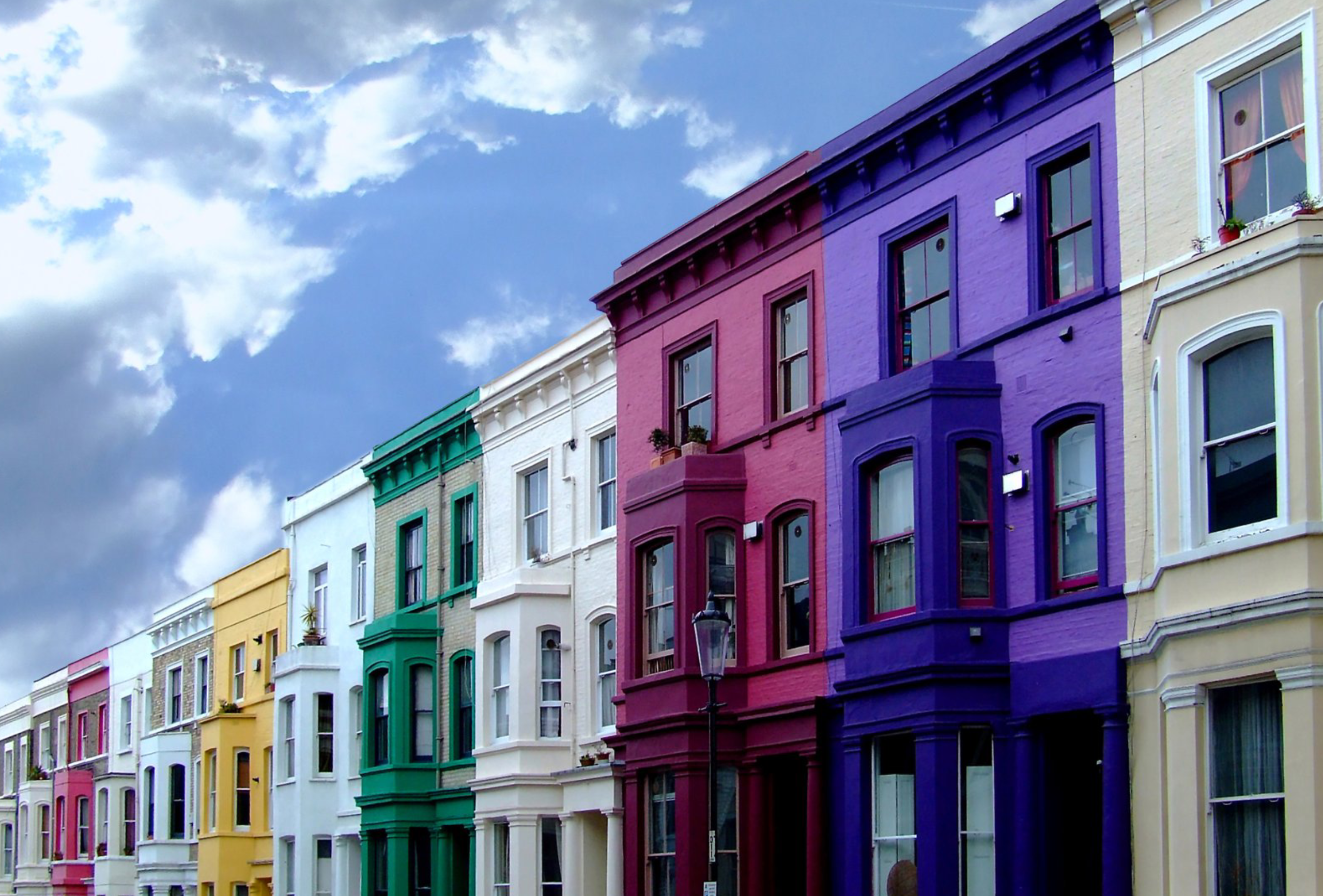
- Earth tones blend well with greenery, while brighter colors stand out in urban settings.
3. Roof and Fixed Elements
- Match exterior paint with roofing color, stonework, or brick elements.
- Avoid clashing tones—aim for a cohesive overall palette.
4. Neighborhood Aesthetic
- While you want your home to stand out, it should still fit within the neighborhood.
- Avoid overly bold colors that disrupt visual harmony.
5. Climate and Lighting
- Lighter colors reflect sunlight and help keep homes cooler.
- Dark colors absorb heat but create dramatic, modern looks.
- In Chicago’s varied seasons, choose colors that look good in both bright summer light and gray winter days.
Top Exterior Paint Colors for 2026
1. Classic White and Off-White
- Clean, timeless, and versatile.
- Works well with any architectural style.
- Pairs beautifully with black, gray, or wood accents.
Best For: Traditional, modern, and farmhouse-style homes.
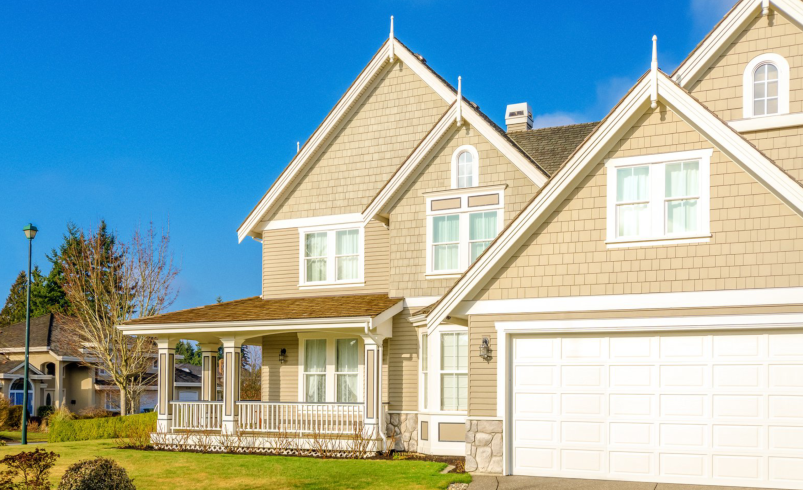
2. Warm Beige and Taupe
- Neutral and inviting.
- Blends seamlessly with natural surroundings.
- Ideal for creating a soft, welcoming appearance.
Best For: Suburban homes and family-friendly neighborhoods.
3. Soft Gray and Cool Gray
- Modern and sophisticated.
- Complements both light and dark trim colors.
- Works well in both sunny and overcast conditions.
Best For: Contemporary and transitional homes.
4. Charcoal and Deep Gray
- Bold and dramatic.
- Creates strong contrast with white or light trim.
- Adds a sleek, modern look.
Best For: Modern homes and urban settings.
5. Earthy Greens
- Olive, sage, and forest green tones connect with nature.
- Calming and elegant.
- Pair well with wood or stone accents.
Best For: Craftsman and rustic-style homes.
6. Muted Blues
- Navy, slate blue, or gray-blue tones.
- Classic yet unique.
- Works well with white trim and natural wood elements.
Best For: Coastal-inspired or traditional homes.
7. Bold Black Accents
- Often used for trim, doors, or shutters.
- Adds contrast and a modern edge.
- Enhances architectural features.
Best For: Accent elements rather than full exteriors.
Choosing the Right Color Combination
A successful exterior design usually includes three main components:
- Primary Color: Covers the majority of the exterior.
- Trim Color: Highlights windows, doors, and edges.
- Accent Color: Used for doors, shutters, or decorative features.
Example Combinations
- White siding + black trim + natural wood door
- Gray siding + white trim + navy door
- Beige siding + brown trim + dark green accents
Pro Tip: Keep your palette simple—too many colors can make your home look cluttered.
Testing Paint Colors
Before committing:
- Paint sample patches on different sides of your home.
- Observe colors at different times of day (morning, afternoon, evening).
- Check how colors look under various weather conditions.
Chicagoland Paint Pro Tip: Colors can appear very different outdoors compared to inside a store—always test before finalizing.
Paint Finishes for Exterior Surfaces
- Flat/Matte: Hides imperfections but less durable.
- Satin: Most popular for siding; balanced durability and appearance.
- Semi-Gloss/Gloss: Best for trim and doors; easy to clean and moisture-resistant.
Maintenance and Longevity
- Use high-quality exterior paint for longer-lasting color.
- Clean surfaces annually to remove dirt and mildew.
- Touch up chips or fading areas promptly.
- Repaint every 7–10 years depending on climate and exposure.
Common Mistakes to Avoid
- Choosing colors without considering roof or surroundings
- Skipping paint testing
- Using too many colors in one design
- Ignoring long-term maintenance
- Following trends without considering home style
Final Thoughts
Selecting the best exterior paint color for your single-family home is about balancing style, functionality, and long-term value. By considering your home’s architecture, environment, and personal preferences, you can create a color palette that enhances curb appeal and stands the test of time.
From timeless whites and grays to bold charcoals and earthy greens, the right color choice transforms your home into a beautiful, welcoming space that reflects your style and personality.