





Matching paint colors with new remodel features is one of the most important aspects of creating a cohesive, stylish, and inviting home. Whether you’ve added new cabinetry, countertops, flooring, or fixtures, coordinating colors ensures that your space feels intentional and polished.
This guide provides practical strategies for selecting paint colors that harmonize with remodel elements, helping you achieve a seamless look.
1. Assess Your Remodel Elements
Before choosing colors, take a close look at the new features in your home:
- Cabinets: The finish, style, and color of cabinets often set the tone for surrounding walls.
- Countertops: Marble, quartz, granite, or laminate colors should influence your paint palette.
- Flooring: Wood, tile, or vinyl flooring can impact which wall colors look best.
- Fixtures and Hardware: Metallic tones, lighting, and handles play a subtle but critical role in color harmony.
Chicagoland Paint Pro Tip: Lay out swatches of walls, cabinets, and flooring together to visualize the final effect.
2. Start With a Neutral Base
- Why Neutral Works: A neutral base provides flexibility and allows remodel features to stand out.
- Popular Neutrals: Soft whites, warm greige, and pale taupe are versatile for most remodeling projects.
- Ceilings and Trim: Stick with off-white or light cream to maintain brightness and balance in the room.
3. Use Accent Colors Strategically
- Highlight Features: Use accent walls or smaller painted areas to draw attention to remodel elements like a kitchen island or fireplace.
- Complementary Shades: Choose colors opposite on the color wheel for a bold look, or analogous colors for subtle harmony.
- Example: Pair sage green cabinets with a muted cream wall, or deep navy cabinets with soft gray walls.
4. Consider Finish and Texture
- Matte/Flat: Works well for walls in living rooms and bedrooms, hiding imperfections.
- Eggshell or Satin: Perfect for kitchens, bathrooms, and areas near high-traffic remodel features.
- Semi-Gloss: Ideal for cabinets, doors, and trim, giving a polished look and added durability.
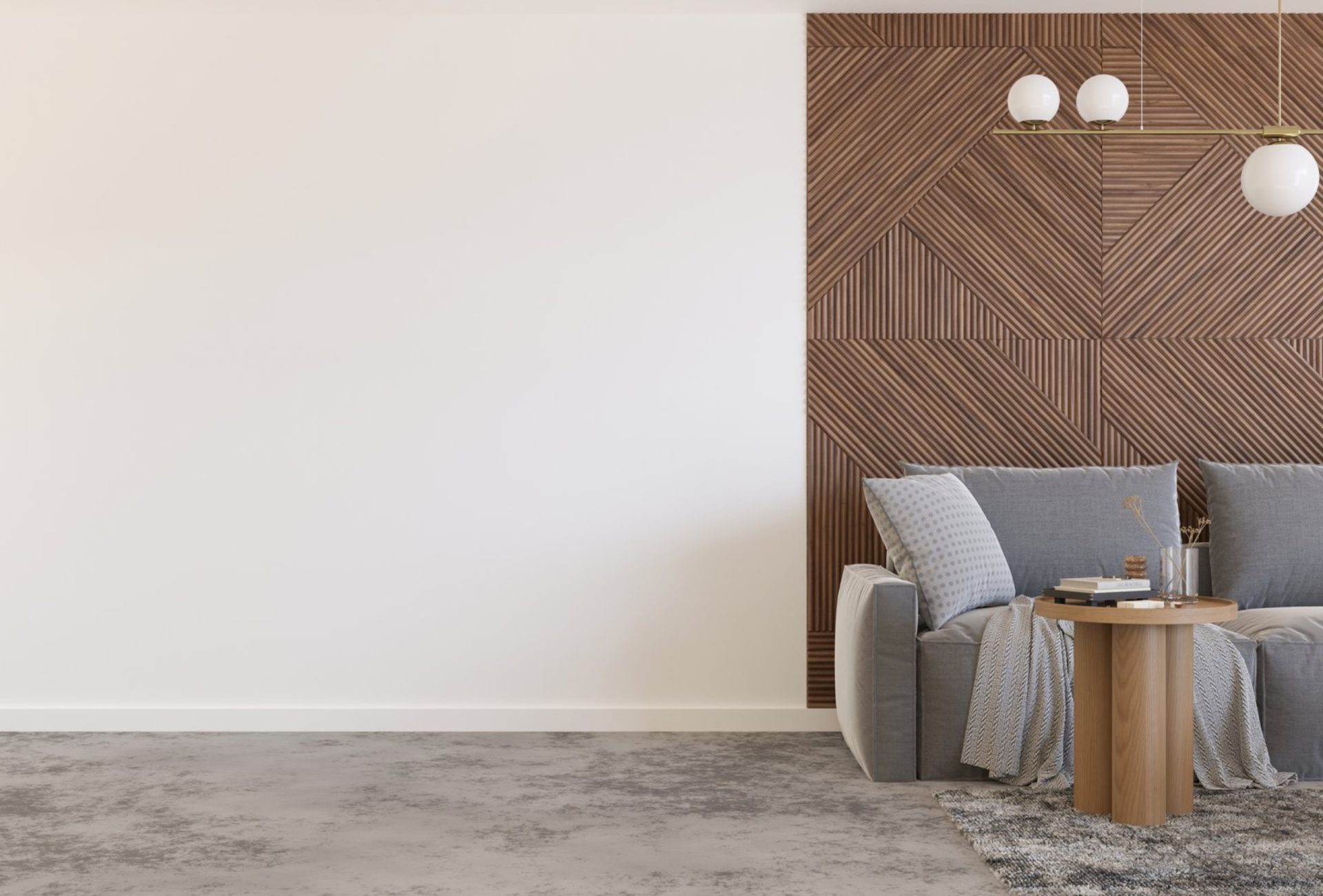
- Texture Effects: Smooth walls with subtle textures can complement tiled backsplashes or wood paneling.
5. Lighting Matters
- Natural Light: Sunlight can make colors appear brighter or warmer; test swatches in different areas.
- Artificial Light: Warm lights make colors look cozier, while cool lights emphasize modern, crisp tones.
- Layered Lighting: Consider ceiling lights, pendant fixtures, and lamps to see how paint interacts throughout the day.
6. Coordinate Room-to-Room Flow
- Consistent Palette: Keep a consistent palette across adjacent rooms to ensure visual flow.
- Transitions: Hallways, open-concept living areas, and connected spaces should use complementary shades.
- Accent Opportunities: Use accent walls or trims to subtly differentiate functional areas without clashing.
7. Test Samples Before Committing
- Small Swatches: Paint test patches on walls to evaluate the color next to your remodel features.
- Observe Over Time: Check colors in different lighting conditions—morning, afternoon, and evening.
- Adjust as Needed: Don’t hesitate to tweak tones if the initial selection doesn’t harmonize perfectly.
8. Common Mistakes to Avoid
- Ignoring the undertones of cabinets, countertops, and flooring
- Selecting colors without testing in the room’s lighting
- Using too many bold colors that compete with remodel features
- Forgetting to coordinate trim and ceilings with walls
- Choosing low-quality paints that don’t provide full coverage or durability
9. Final Thoughts
Matching paint colors with new remodel features is essential for a cohesive, elegant, and functional space. By assessing remodel elements, starting with neutral bases, incorporating accent colors thoughtfully, and testing samples in various lighting conditions, homeowners can achieve a harmonious look that highlights upgrades while enhancing the overall aesthetic.
With attention to detail, color coordination transforms remodeling projects into polished, stylish spaces that feel intentional and welcoming.