




For property managers, maintaining rental units and multi-tenant properties means keeping spaces fresh, clean, and appealing to tenants. Painting is one of the most effective ways to update a unit during turnovers, but it requires strategy, efficiency, and attention to durability.
This guide provides practical tips for property management painting during tenant turnovers, helping you save time, reduce costs, and enhance tenant satisfaction.
1. Plan Ahead for Efficient Turnovers
- Schedule Painting Early: Start painting as soon as the unit is vacated and cleaned to prevent delays in new tenant move-ins.
- Coordinate With Maintenance: Align painting with repairs, flooring updates, and minor renovations to avoid repeated work.
- Stock Essential Supplies: Keep primers, paints, brushes, rollers, and drop cloths ready for quick execution.
Chicagoland Paint Pro Tip: Efficient scheduling and preparation minimize downtime between tenants, maximizing property income.
2. Choose Durable, Low-Maintenance Paints
- High-Traffic Areas: Hallways, kitchens, and bathrooms need durable, washable paint finishes.
- Recommended Finishes:
- Eggshell: Slight sheen, easy to clean, good for living areas.
- Satin: Ideal for kitchens and bathrooms due to moisture resistance.
- Semi-Gloss: Best for trim, doors, and cabinets for added durability.
- Low-VOC and Eco-Friendly Options: Safer for tenants and improves indoor air quality.
3. Focus on Neutral Colors
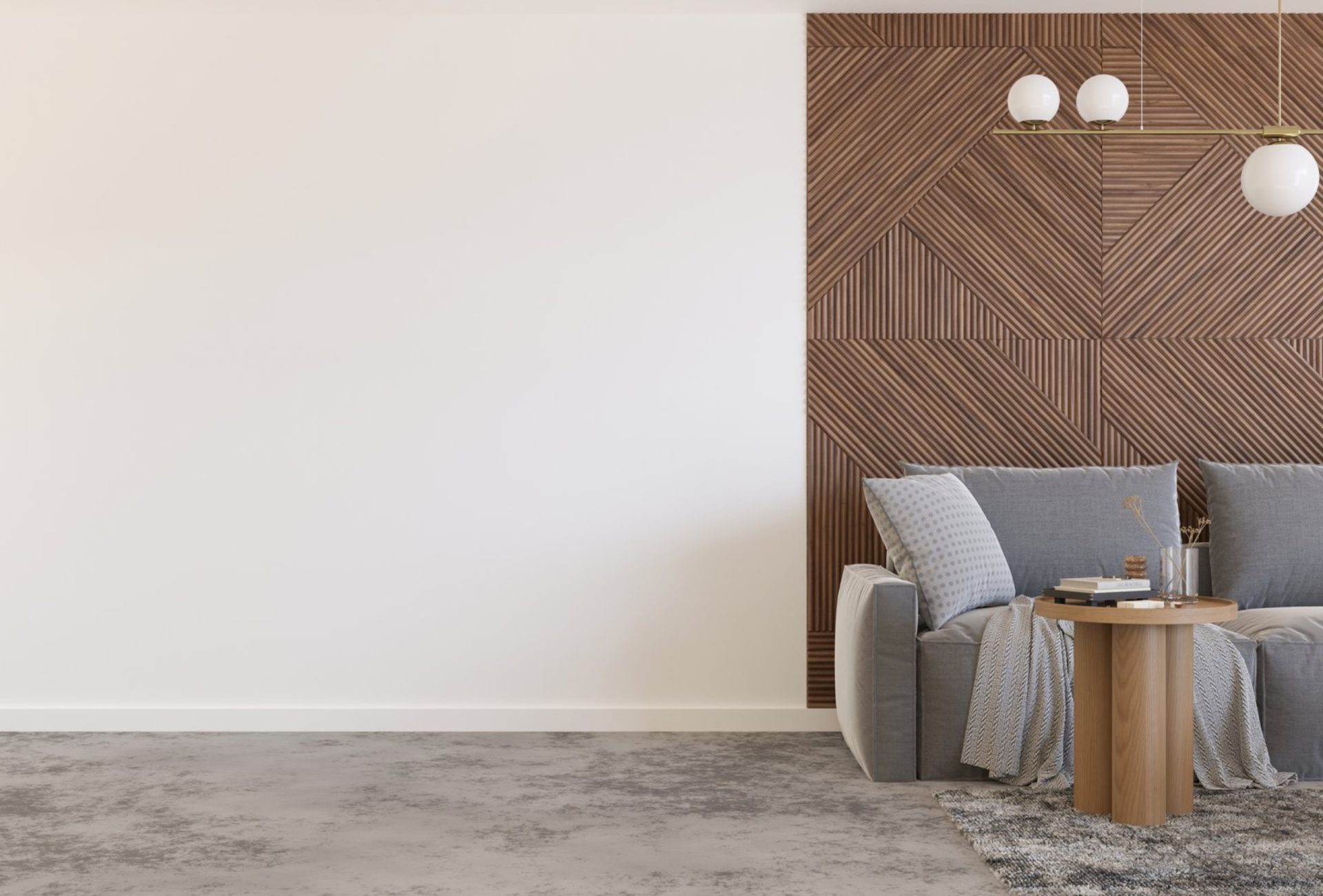
- Why Neutral Works: Neutral walls appeal to a broad tenant base, making units easier to rent.
- Popular Choices: Soft gray, warm beige, off-white, and greige are timeless and flexible.
- Accent Possibilities: Minimal accents in muted tones can add subtle style without deterring tenants.
4. Prepare Surfaces Properly
- Repair Damage: Patch holes, cracks, and scuffs before painting.
- Clean Thoroughly: Remove dirt, grease, and dust to ensure proper paint adhesion.
- Prime New or Repaired Walls: Especially important for drywall repairs and patched areas.
- Protect Fixtures and Floors: Use painter’s tape and drop cloths to prevent damage to new flooring or appliances.
5. Techniques for Speed and Quality
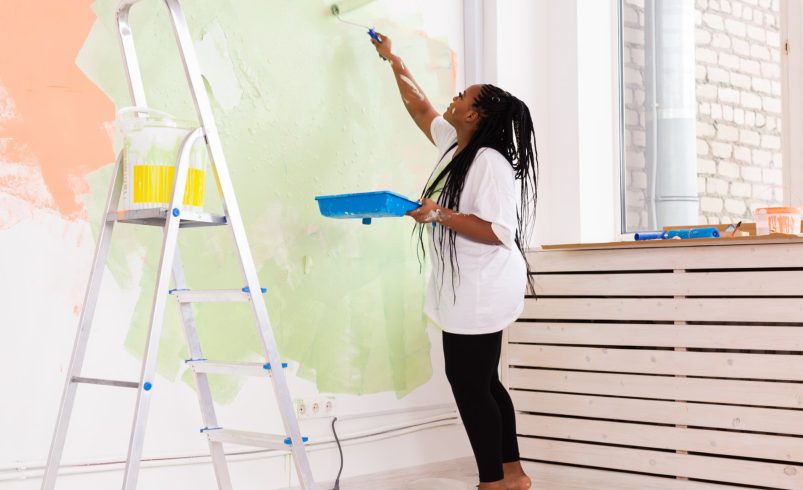
- Use Rollers for Walls: Quickly cover large areas with consistent coverage.
- Brushes for Trim and Detail Work: Ensure clean edges around doors, windows, and moldings.
- Sprayers for Large Units: Ideal for multi-unit buildings to save time while maintaining a smooth finish.
- Team Coordination: Assign crews to different tasks—prep, painting, and cleanup—to accelerate turnover.
6. Cost-Effective Tips for Property Managers
- Standardize Colors: Using the same neutral palette across units simplifies paint inventory and reduces waste.
- Bulk Purchasing: Buy paint in larger quantities for multiple units to save on cost.
- Regular Maintenance Painting: Touch-ups between tenants prevent major repainting costs later.
- Professional vs. DIY: For larger properties, professional painters may save time and prevent mistakes that could cost more in the long run.
7. Common Mistakes to Avoid
- Painting over damaged walls without repairs
- Using low-quality paint that chips or stains easily
- Ignoring proper drying times between coats
- Failing to protect floors, cabinets, or fixtures
- Selecting overly bold or trendy colors that may reduce tenant appeal
8. Final Thoughts
Property management painting is a vital component of keeping rental units attractive, functional, and easy to lease. By planning efficiently, choosing durable paints, preparing surfaces properly, and using effective techniques, property managers can achieve fast, high-quality results.
Neutral colors, consistent finishes, and attention to detail not only improve the property’s appeal but also protect your investment and minimize long-term maintenance costs.
Painting done right during turnovers keeps tenants happy, units rentable, and your property portfolio thriving.