



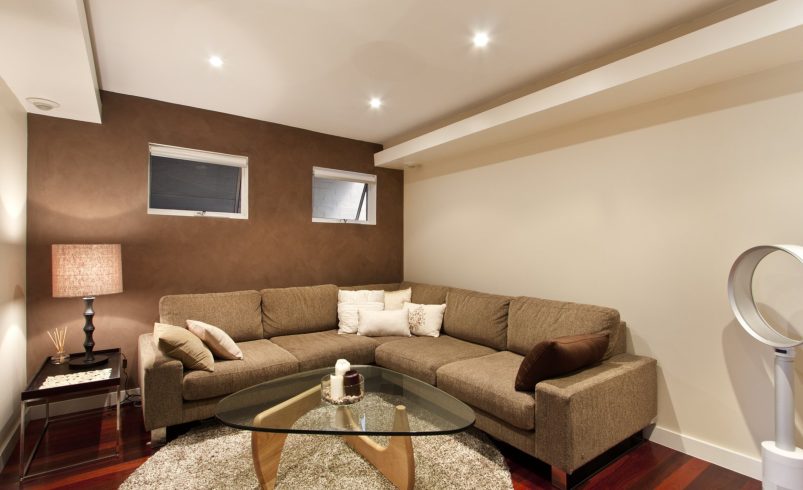

Basements often struggle with natural light, low ceilings, and unfinished walls, making them feel dark or uninviting. Painting your basement is one of the most effective ways to transform it into a bright, comfortable, and functional space. With the right colors, finishes, and design strategies, you can turn your basement into a cozy family area, home office, entertainment zone, or gym.
In this guide, we’ll explore the best basement painting ideas to lighten dark spaces while maintaining style, durability, and functionality.
Why Basement Painting Is Important
Many homeowners overlook basement walls when renovating, yet painting is crucial for:
- Brightening the space: Light colors reflect available light, making the basement feel larger.
- Protecting walls: Moisture-resistant paints prevent mold, mildew, and water damage.
- Improving aesthetics: A fresh coat of paint instantly updates the look of any basement.
- Defining zones: Color can separate functional areas, such as playrooms, home theaters, or storage spaces.
A well-planned paint strategy not only enhances the basement’s appearance but also boosts your home’s overall value.
Choosing the Right Paint for Basements
1. Moisture-Resistant Paint
Basements are prone to dampness and humidity. Choose high-quality, moisture-resistant paint to protect walls and ceilings from mold, mildew, and peeling.
Tip: Apply a primer before painting to seal surfaces and improve adhesion.
2. Light Colors
Dark basements can feel cramped. Lighter shades, like soft whites, pale grays, or cream, reflect light and make the space feel more open and airy.
Tip: Use lighter colors on walls, ceilings, and trims to maximize brightness.
3. Semi-Gloss or Satin Finish
These finishes are durable, easy to clean, and moisture-resistant. They are ideal for basement walls, especially in high-traffic or entertainment areas.
4. Accent Walls
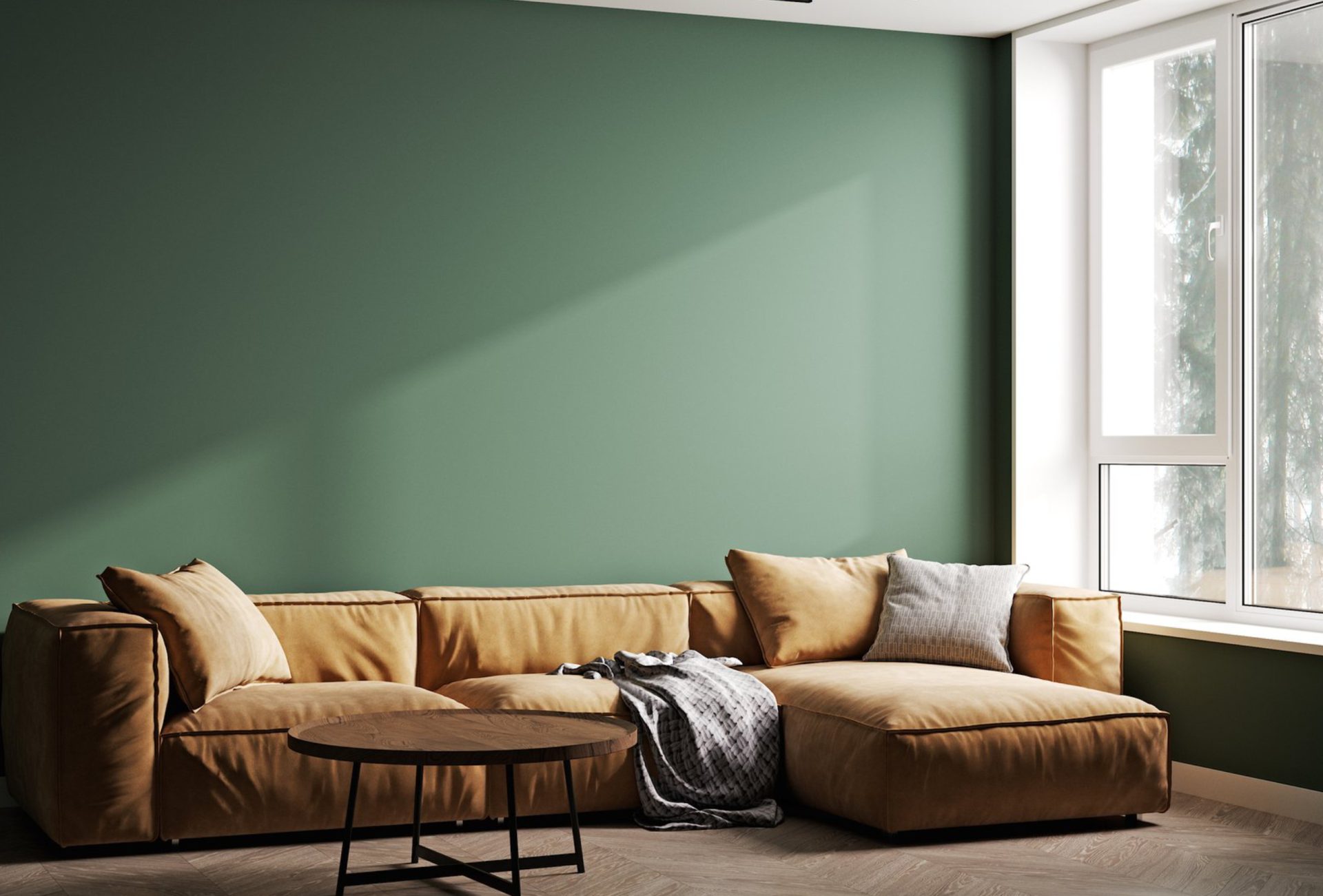
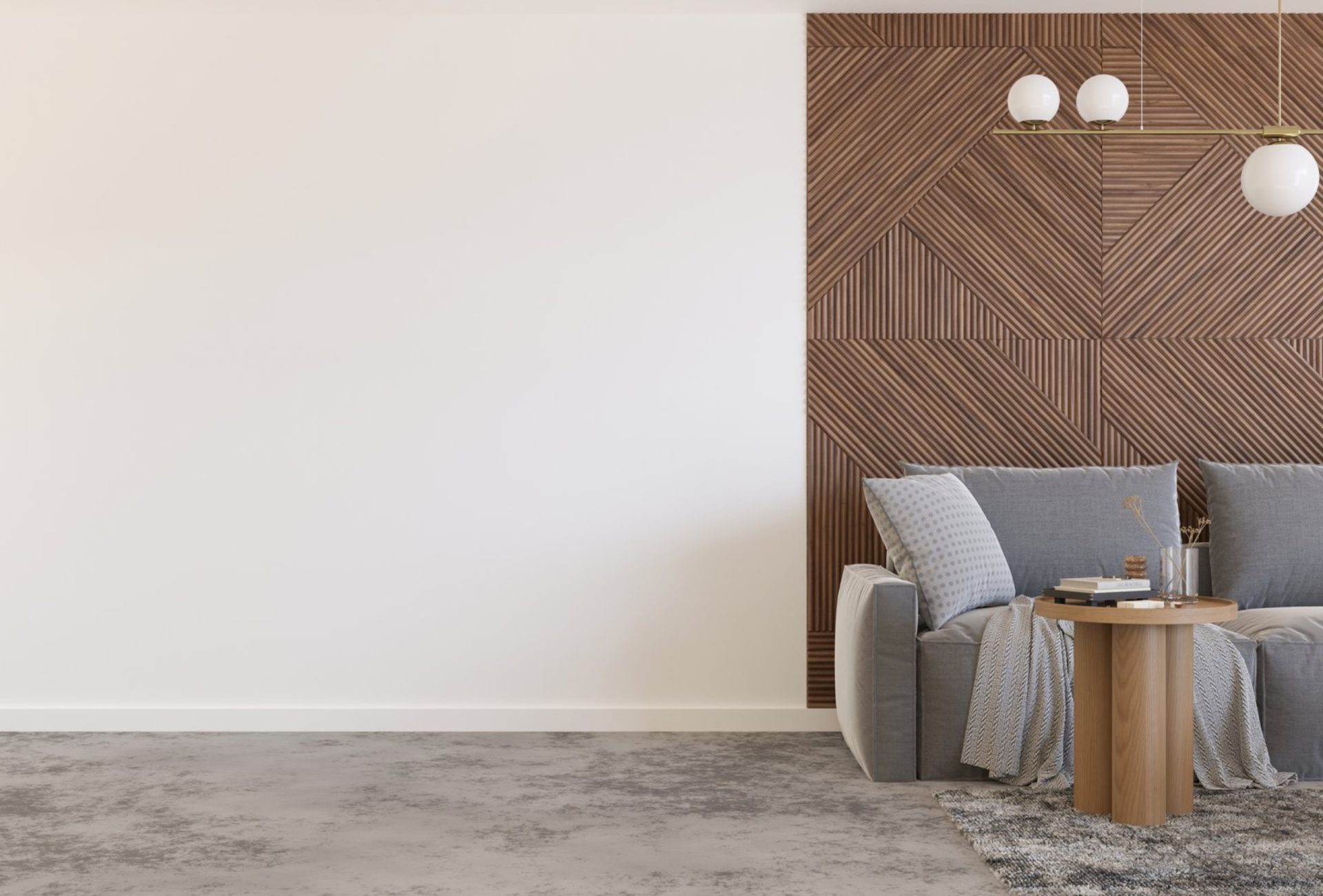
A feature wall in a darker or bold color can add depth and personality without overpowering the space. Consider behind a sofa, TV, or home office area.
Basement Painting Ideas to Brighten Dark Spaces
1. Neutral Palettes
Soft grays, beige, and whites create a clean, timeless look. These colors reflect light and complement furniture, flooring, and décor.
Design Tip: Pair neutral walls with colorful rugs or artwork to avoid a monotonous feel.
2. Pops of Color
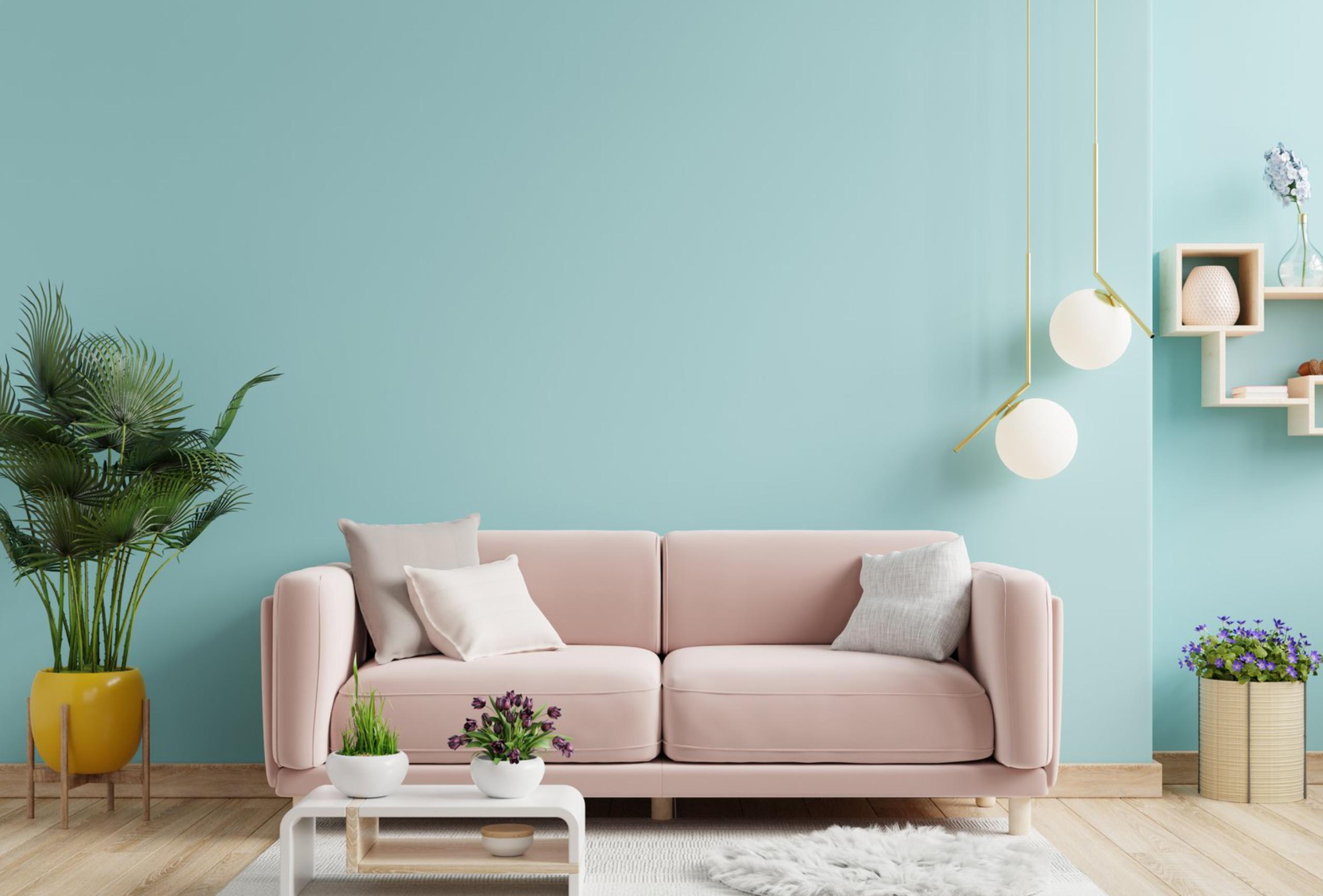
Bright accents like teal, mustard, or coral on a single wall can liven up the basement and provide focal points without making the space feel smaller.
3. Two-Tone Walls
Painting the lower half of walls a darker shade and upper half a lighter color adds visual interest while keeping the basement feeling open.
4. Ceiling Paint
Consider painting the ceiling in a lighter shade or even white to reflect light and create the illusion of higher ceilings.
5. Basement Nooks and Zones
Use different colors to define functional zones—play area, office corner, or media section. This adds structure and avoids a monotonous look.
Step-by-Step Basement Painting Guide
Step 1: Prep the Basement
- Clear furniture and storage items.
- Protect floors with drop cloths.
- Clean walls and ceilings to remove dust, dirt, or minor mildew.
Step 2: Repair and Prime
- Patch cracks or holes in walls.
- Sand surfaces for smoothness.
- Apply a moisture-resistant primer for better adhesion and protection.
Step 3: Painting Walls
- Use high-quality, moisture-resistant paint in light shades for walls.
- Apply two coats for uniform coverage.
- Use an angled brush for corners and a roller for large wall surfaces.
Step 4: Accent Walls and Details
- Choose a complementary color for accent walls or architectural features.
- Apply a semi-gloss finish for durability and light reflection.
Step 5: Finishing Touches
- Remove painter’s tape while paint is slightly wet.
- Touch up any imperfections.
- Add furnishings, décor, and lighting to maximize brightness.
Creative Basement Painting Tips
- Reflective Surfaces: Use semi-gloss or satin finishes to reflect artificial light.
- Vertical Stripes: Paint vertical stripes in lighter shades to create the illusion of taller walls.
- Bright Ceilings: Light ceilings make low basements feel open and airy.
- Complement Flooring: Coordinate paint colors with flooring choices like vinyl, carpet, or laminate.
- Use Mirrors and Lighting: Mirrors amplify the effect of bright paint and artificial lighting.
Common Mistakes to Avoid
- Using dark, flat paint that absorbs light and makes the basement feel smaller.
- Skipping primer, leading to poor adhesion and possible moisture damage.
- Ignoring cracks, holes, or dampness before painting.
- Choosing low-quality paint that may peel or fade in humid conditions.
- Overlooking lighting—basements often need a combination of ambient, task, and accent lighting to enhance colors.
Professional vs DIY Basement Painting
While DIY painting is possible, professional painters provide:
- Expertise with moisture-resistant paints and finishes
- Flawless application on large or tricky basement walls
- Advice on colors that maximize light and space
- Durable results that resist wear, moisture, and fading
Chicagoland Paint Pro Tip: Even a professional consultation ensures your basement color choices enhance brightness while maintaining durability.
Final Thoughts
Painting your basement is one of the most impactful ways to brighten dark spaces and create a comfortable, stylish environment. By using light colors, moisture-resistant paint, and proper prep techniques, you can transform your basement into a versatile, inviting space suitable for family gatherings, entertainment, or relaxation.
Whether you prefer neutral palettes, pops of color, or creative accent walls, the right paint strategy ensures your basement feels brighter, more spacious, and modern—making it a true extension of your home.