



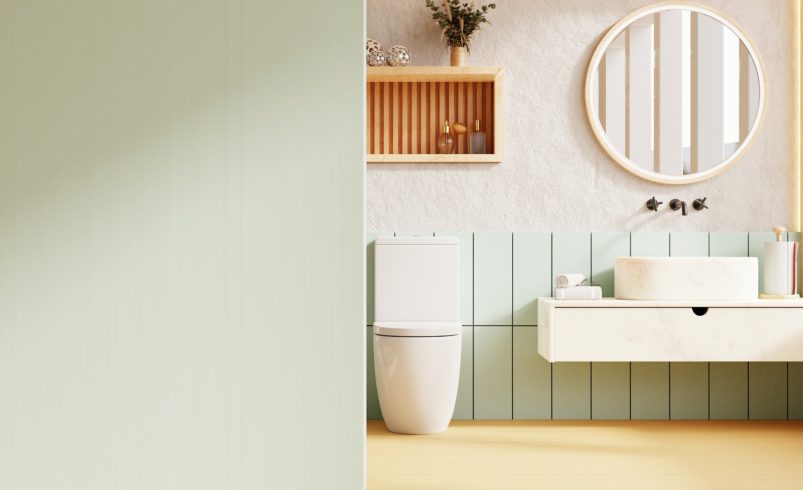

Painting a bathroom may seem straightforward, but small and large bathrooms present unique challenges. The wrong color, finish, or technique can make a small bathroom feel cramped or a large bathroom feel cold and uninviting. Choosing the right paint, preparation methods, and design strategies ensures your bathroom is both functional and stylish.
This guide provides practical tips for painting bathrooms of any size, helping you achieve a beautiful, long-lasting finish.
Understanding the Challenges of Bathroom Painting
Bathrooms are high-moisture areas, often exposed to steam, condensation, and splashes from sinks, tubs, or showers. Additional considerations include:
- Lighting: Small bathrooms may have limited natural light, while large bathrooms may require multiple light sources.
- Ventilation: Proper airflow is essential to prevent peeling, mold, or mildew.
- Surface Texture: Tile, drywall, or trim all require different preparation and paint types.
- Space Constraints: Small bathrooms require precise techniques to avoid messy application, while large bathrooms require consistency across expansive surfaces.
Choosing the Right Paint Finish
Selecting the correct paint finish is key for durability and aesthetics:
- Satin: Soft sheen, moisture-resistant, easy to clean—ideal for walls in both small and large bathrooms.
- Semi-Gloss: Reflective, washable, and highly durable—perfect for high-touch areas and accents.
- Eggshell: Works for moderate-use walls but avoid in shower areas.
- Matte/Flat: Not recommended in bathrooms; absorbs moisture and is difficult to clean.
Chicagoland Paint Pro Tip: Use a satin wall finish with semi-gloss trim for a balanced, professional look.
Bathroom Painting Tips for Small Bathrooms
1. Light Colors Expand Space
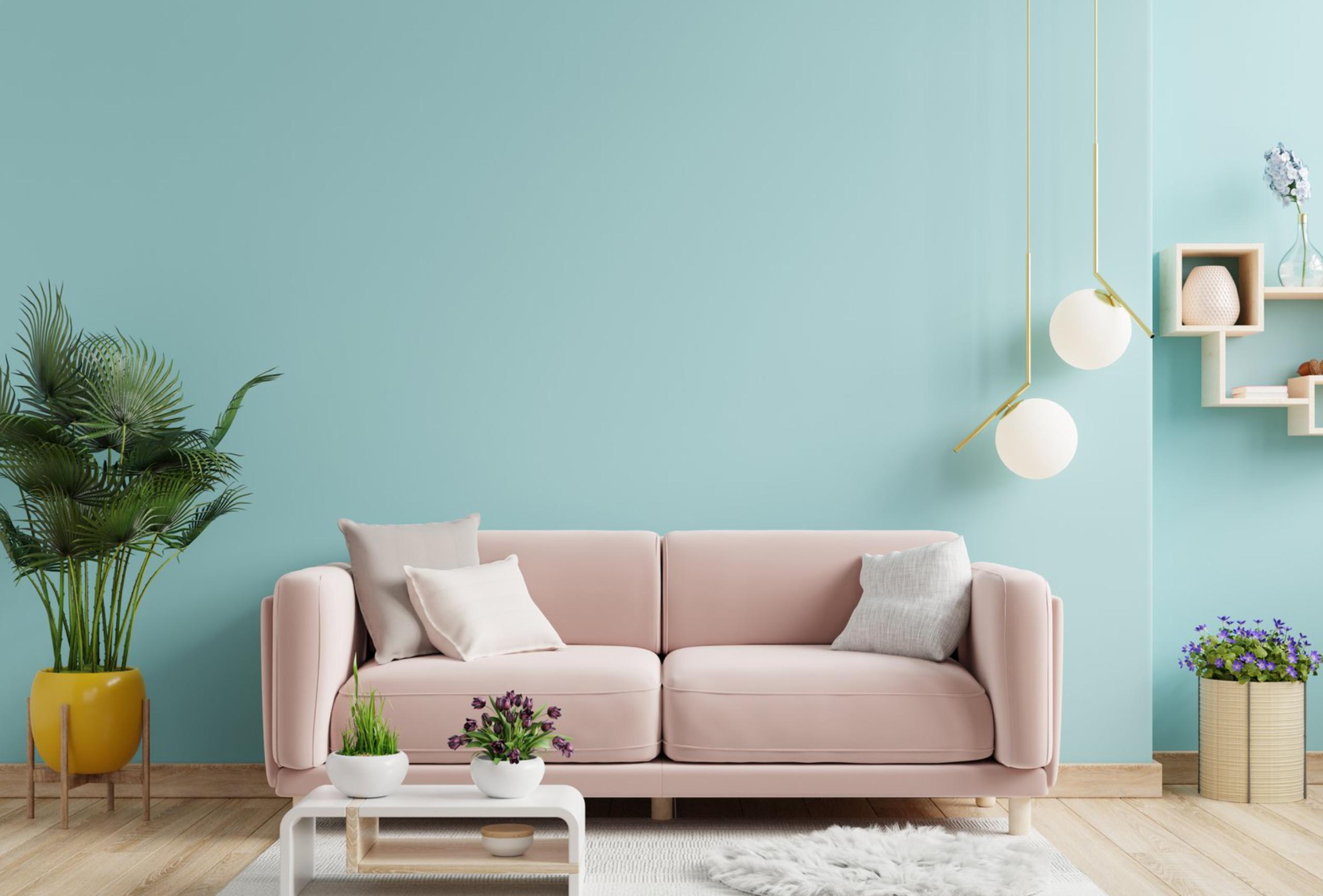
- Soft whites, pale blues, or light grays reflect light and make small bathrooms feel larger.
- Avoid overly dark shades that can make the space feel cramped.
2. Vertical Paint Techniques
- Paint vertical stripes or subtle gradients to create the illusion of height.
- Light-colored ceilings enhance the sense of space.
3. Accent Walls in Small Spaces
- Limit bold colors to a single wall or small section.
- Focus on areas like behind the vanity or above the tub to create a visual focal point.
4. Use Semi-Gloss for Easy Cleaning
- In small bathrooms, surfaces are often touched frequently. Semi-gloss paint is durable and easy to maintain.
5. Strategic Lighting
- Combine natural light with bright artificial lighting to enhance paint colors and create an open feel.
Bathroom Painting Tips for Large Bathrooms
1. Consider Large-Scale Color Impact
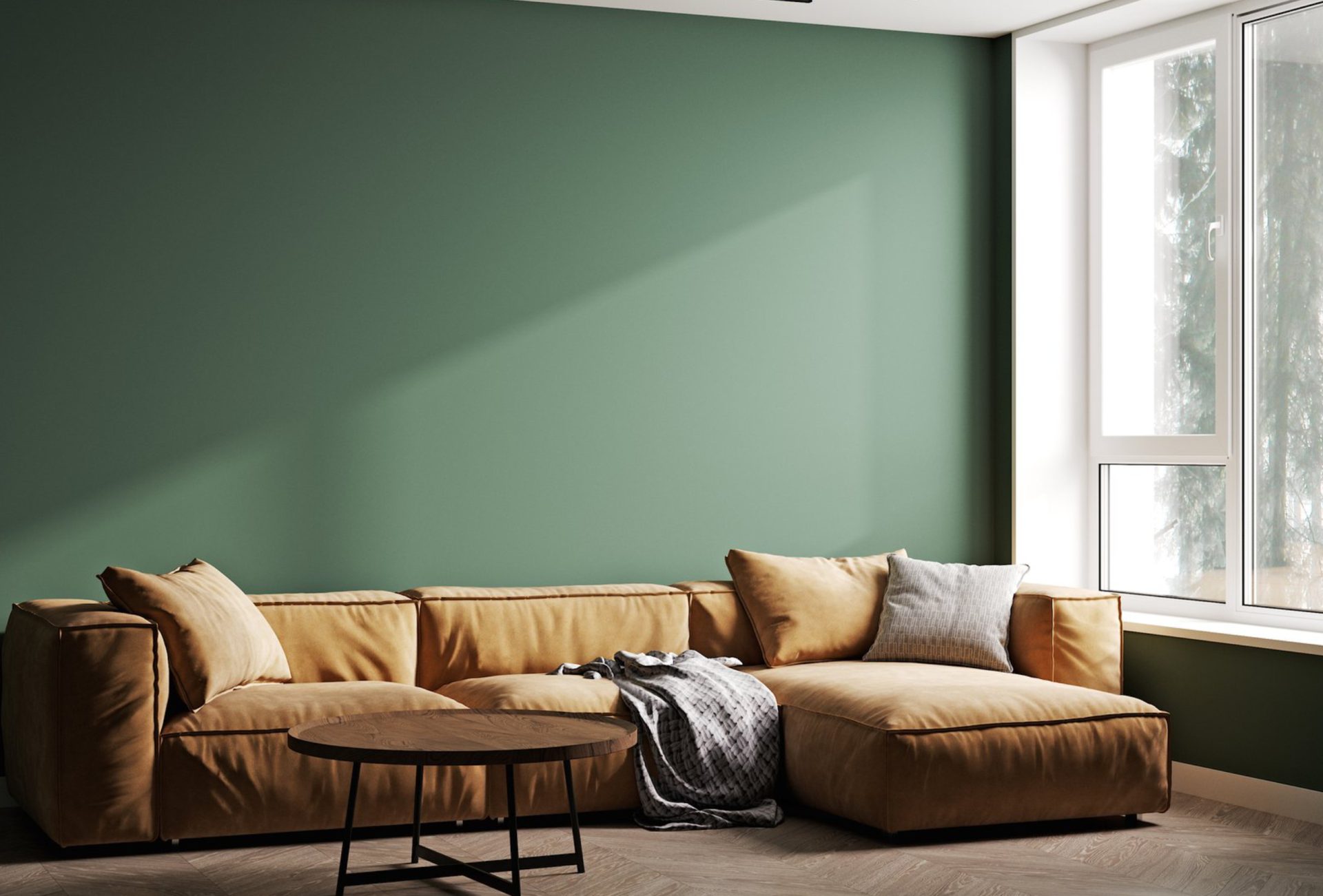
- Large spaces can handle deeper, richer colors without feeling overwhelming.
- Use bold or moody hues on accent walls to add drama and style.
2. Zone the Space
- Large bathrooms often have distinct areas like vanities, showers, or seating.
- Consider two-tone walls or different shades to define these zones.
3. Keep Balance with Neutrals
- Neutral colors on the majority of walls prevent the space from feeling cold or empty.
- Pair bold accents with soft tones to maintain warmth.
4. Focus on Architectural Details
- Highlight moldings, trim, or built-in shelving with complementary or contrasting paint finishes.
- Semi-gloss or gloss paints make details pop.
5. Durable and Washable Paint
- Large bathrooms experience significant use; choose moisture-resistant, washable paints for longevity.
Prep Work for Any Bathroom
Proper preparation ensures a smooth, long-lasting finish:
- Remove towels, rugs, mirrors, and fixtures if possible.
- Protect flooring, counters, and hardware with drop cloths and painter’s tape.
- Clean walls thoroughly to remove soap scum, grease, or mildew.
- Patch holes or cracks and sand surfaces for smooth paint adhesion.
- Prime surfaces for improved coverage, especially if switching colors or painting over dark tones.
Creative Tips for Both Small and Large Bathrooms
- Accent Ceilings: A subtle ceiling color can expand small spaces or add style to large ones.
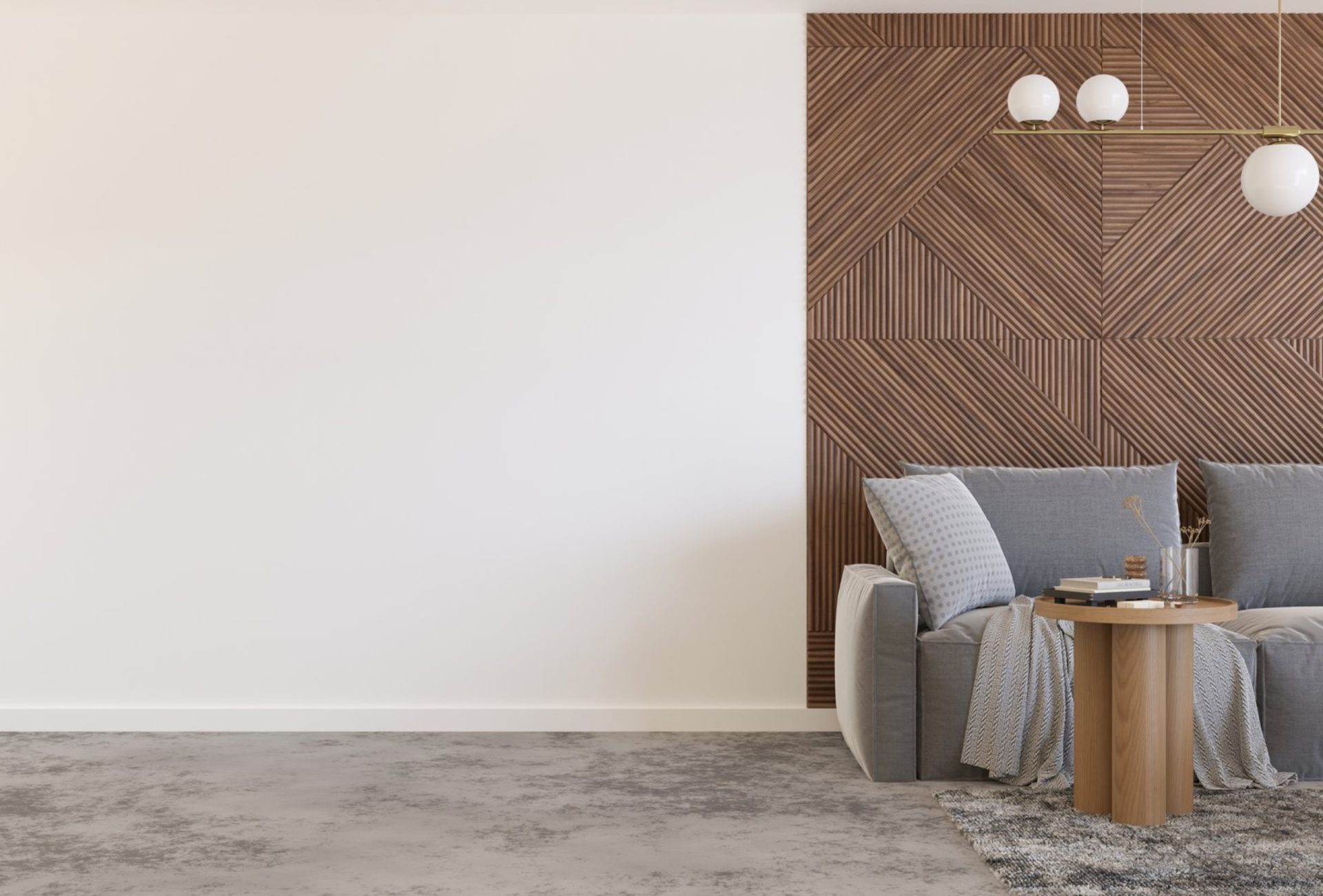
- Textured or Patterned Walls: Add visual interest with patterns, wallpaper, or textured finishes.
- Two-Tone Walls: Perfect for defining areas in large bathrooms or creating visual height in small ones.
- Highlight Features: Use bold paint to draw attention to vanities, shelving, or decorative tiles.
Common Mistakes to Avoid
- Painting over damp walls—always ensure surfaces are dry.
- Using low-quality paint that can peel or stain in moist conditions.
- Skipping primer, leading to poor adhesion and uneven color.
- Ignoring ventilation—crucial to prevent mold, mildew, and bubbles.
- Overloading brushes or rollers, which causes drips and streaks, especially in tight spaces.
Professional vs DIY Bathroom Painting
Professional painters provide:
- Expertise in moisture-resistant paints and finishes
- Flawless, even coverage in tight or expansive spaces
- Advice on color schemes for small or large bathrooms
- Long-lasting results that withstand daily bathroom conditions
Even for DIY projects, a professional consultation can ensure optimal color choices and durability.
Final Thoughts
Painting a bathroom, whether small or large, requires careful consideration of color, finish, and prep work. Light and strategic colors expand small bathrooms, while rich, dramatic tones add personality to large spaces. Moisture-resistant, washable paints combined with proper preparation ensure long-lasting beauty.
By following these tips, you can create a bathroom that feels fresh, functional, and visually appealing—perfectly suited for everyday life and modern style.