


Bathrooms are high-moisture environments where walls are exposed to steam, condensation, and occasional splashes. Using the wrong paint can result in peeling, bubbling, or mold growth, making moisture-resistant paints essential for maintaining beauty and durability.
In 2026, choosing the right bathroom paint focuses on functionality, durability, and style. This guide explores the best moisture-resistant paints, finishes, and tips to ensure your bathroom stays fresh, elegant, and protected.
Why Moisture-Resistant Paint Matters
Bathrooms are unique in that they experience:
- High humidity from showers and baths
- Frequent temperature changes
- Water splashes and steam
- Regular cleaning with moisture-prone surfaces
Standard interior paint may struggle under these conditions, leading to premature damage. Moisture-resistant paints are formulated to withstand these challenges while maintaining color vibrancy, smooth finish, and ease of cleaning.
Top Types of Moisture-Resistant Paint
1. Acrylic Latex Paint
Acrylic latex is water-based, flexible, and resistant to cracking and peeling. It’s ideal for walls and ceilings in bathrooms because it can handle moisture without losing adhesion.
Tip: Use high-quality acrylic latex with mildew-resistant additives for best results.
2. Semi-Gloss or Satin Paints
Paint finish is critical in bathrooms. Semi-gloss and satin finishes are moisture-resistant, durable, and easy to clean. They repel water better than flat or matte finishes.
Pro Tip: Use semi-gloss on high-contact areas like walls behind sinks or bathtubs.
3. Epoxy Paint
Epoxy paints provide a hard, waterproof finish ideal for very high-moisture areas or accent walls. They’re extremely durable but require careful application and ventilation.
4. Specialty Bathroom Paint
Many manufacturers offer paint specifically designed for bathrooms and kitchens. These paints contain mildew inhibitors and are formulated to resist humidity, stains, and peeling.
Choosing the Right Finish for Bathrooms
- Satin: Subtle sheen, easy to clean, and moisture-resistant. Great for general walls.
- Semi-Gloss: Reflective, durable, and washable—perfect for areas near sinks, showers, or tubs.
- Gloss: Highly reflective, hard, and extremely resistant to moisture—ideal for trims or accent surfaces.
- Matte/Flat: Avoid in bathrooms; it absorbs moisture and is difficult to clean.
Pro Tip: Use a satin wall finish with semi-gloss trims for a polished, functional look.
Step-by-Step Guide to Painting a Moisture-Resistant Bathroom
Step 1: Prep the Bathroom
- Remove towels, rugs, and personal items.
- Protect flooring, countertops, and fixtures with painter’s tape and drop cloths.
- Clean walls thoroughly to remove soap scum, grease, and mildew.
Step 2: Repair and Sand Surfaces
- Patch holes or cracks using spackle.
- Sand rough areas for smooth application.
- Ensure surfaces are dry before painting.
Step 3: Prime the Walls
- Use a moisture-resistant primer to seal surfaces and improve adhesion.
- Priming is especially important over previously painted walls, dark colors, or tiles.
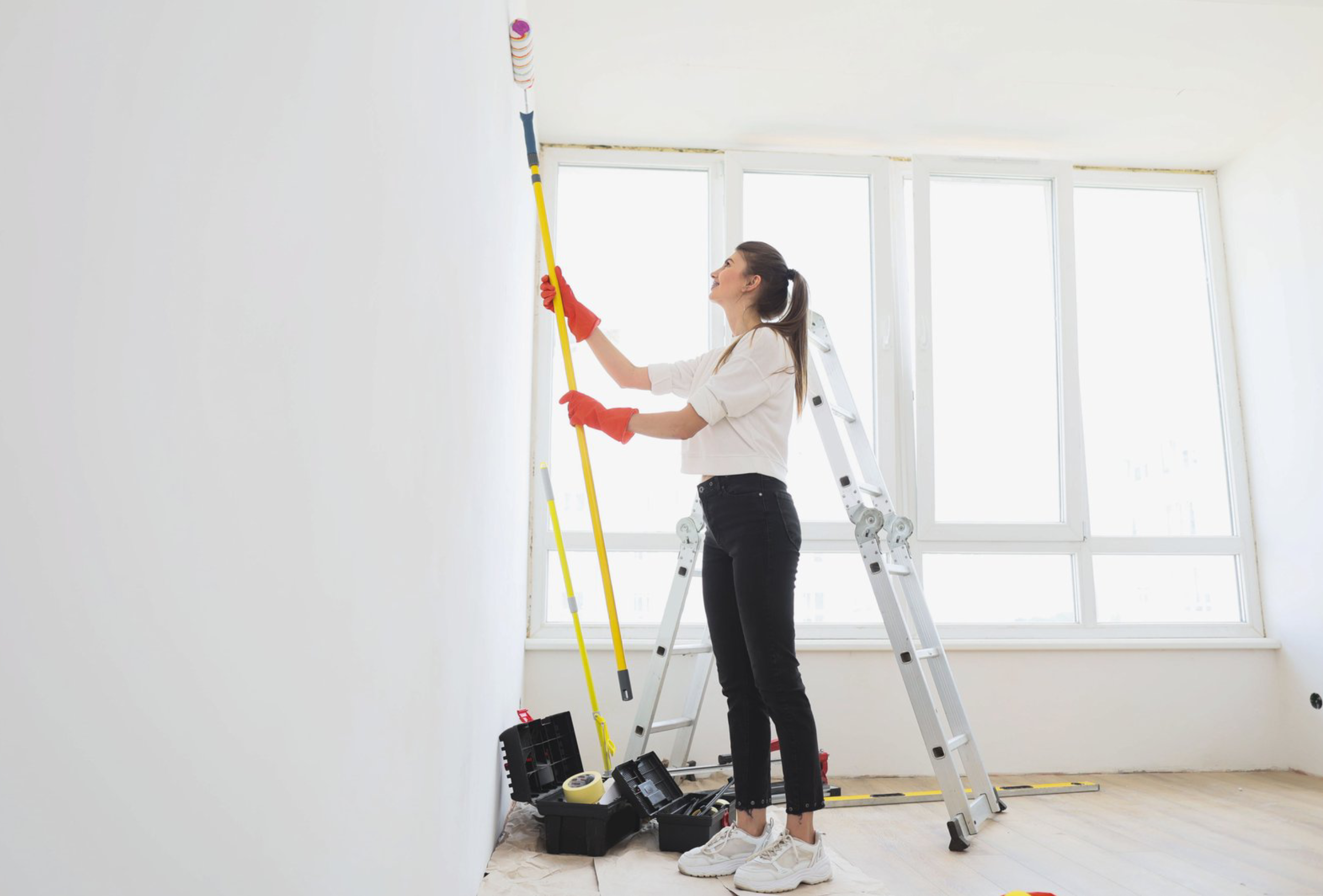
Step 4: Paint Walls and Ceilings
- Use high-quality moisture-resistant paint.
- Apply two thin coats for consistent coverage.
- Allow adequate drying time between coats.
Step 5: Finishing Touches
- Remove painter’s tape while paint is slightly wet.
- Touch up any imperfections and allow paint to cure fully.
- Maintain ventilation during and after painting to prevent moisture issues.
Popular Bathroom Color Choices for 2026
- Soft Neutrals: Cream, beige, and warm gray for a timeless, relaxing vibe.
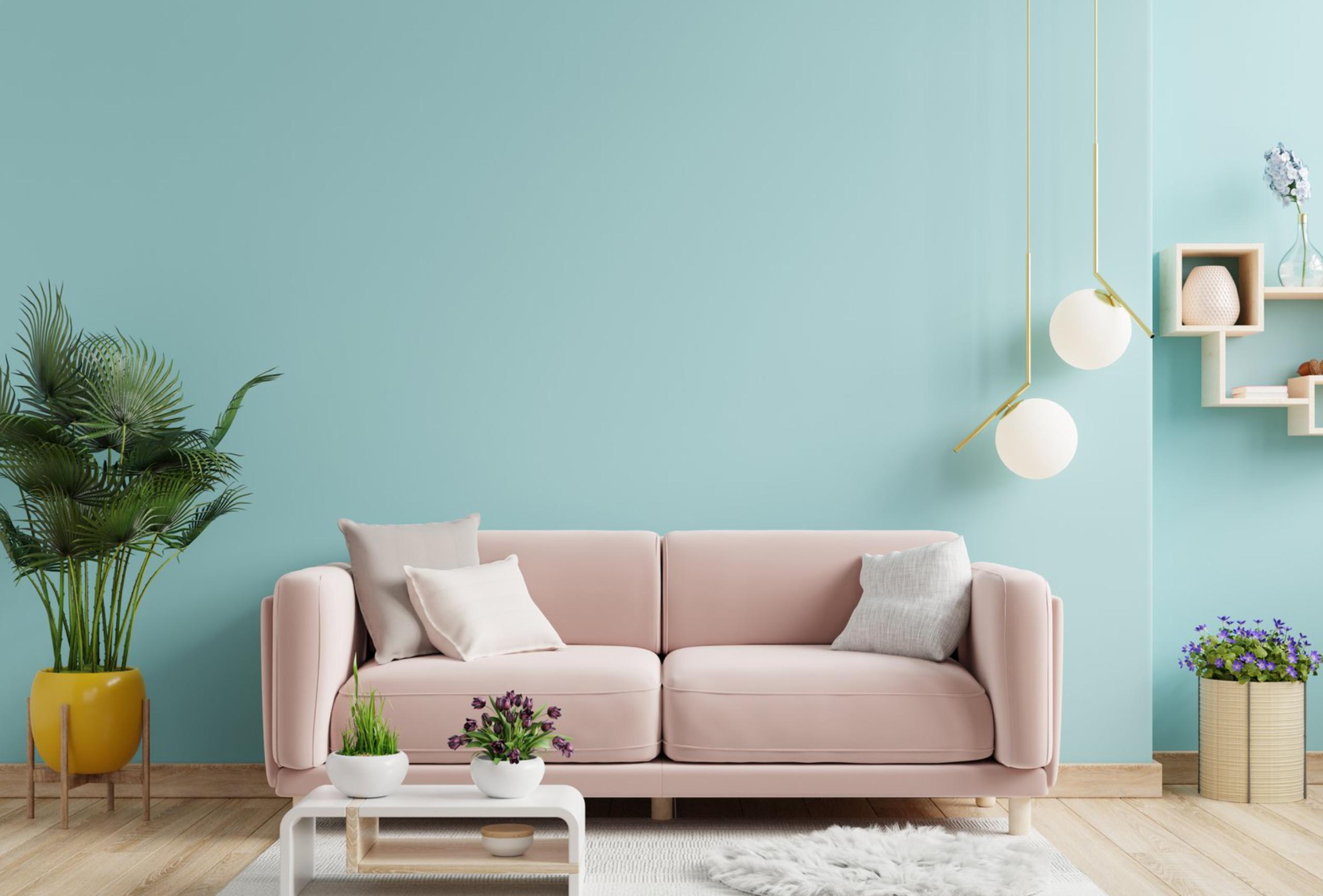
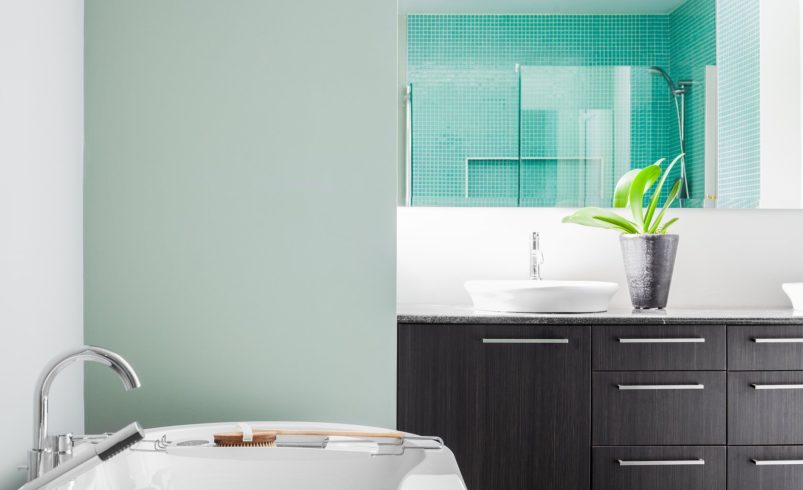
- Cool Blues: Light aqua, powder blue, or navy for a spa-like atmosphere.
- Earthy Tones: Terracotta, olive, and taupe bring warmth and natural charm.
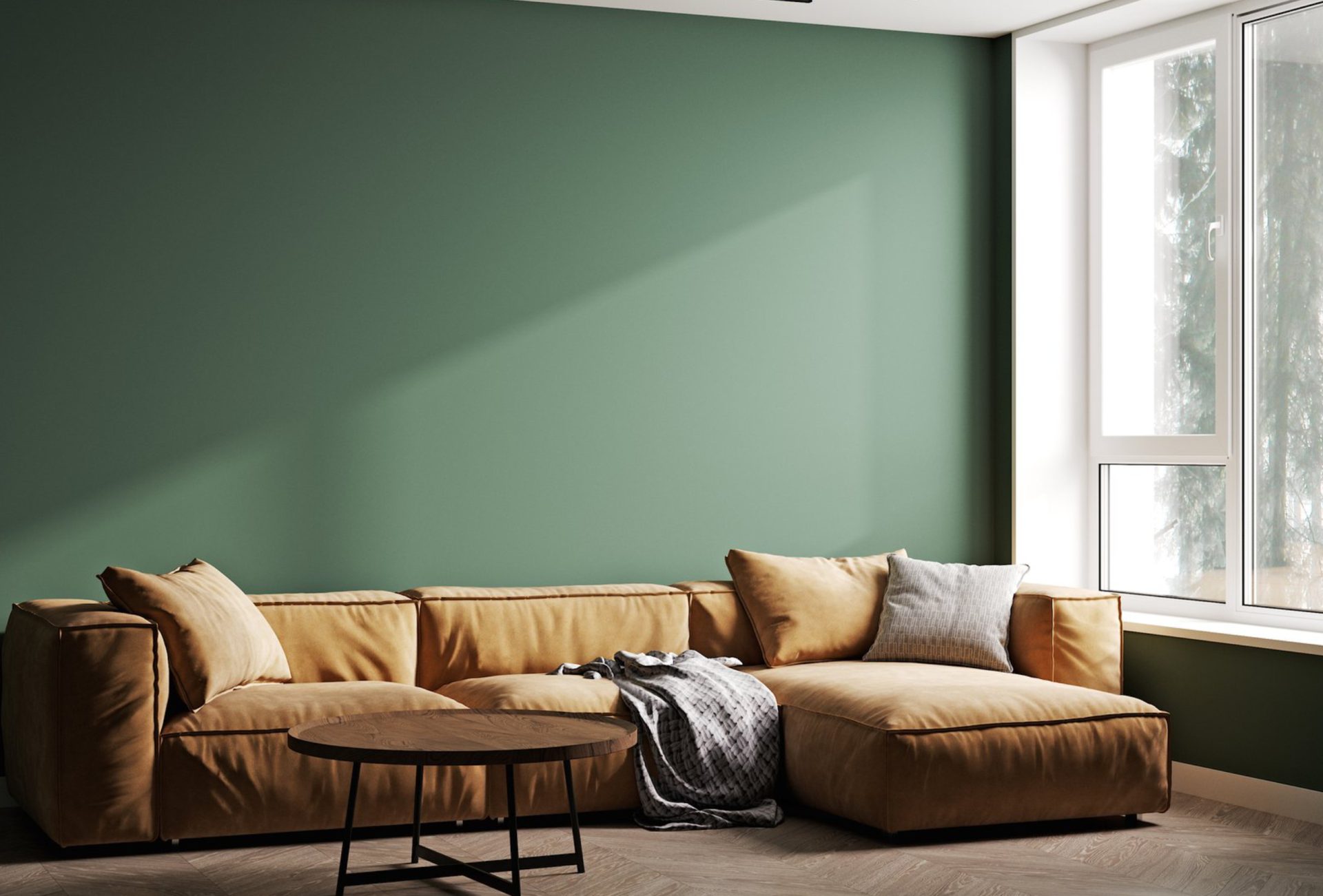
- Bold Accents: Deep greens, charcoal, or black for modern, dramatic flair.
- Pastels: Mint, blush, or lavender for light, airy bathrooms.
Tip: Light colors reflect natural light, making small bathrooms feel larger and brighter.
Common Mistakes to Avoid
- Skipping Primer: Essential for adhesion and preventing peeling.
- Choosing Flat Paint: Matte finishes absorb moisture and are prone to mold.
- Ignoring Ventilation: Proper airflow prevents condensation buildup and paint damage.
- Using Low-Quality Paint: Can peel, fade, or allow mildew growth.
- Painting Over Wet Surfaces: Walls must be completely dry to prevent bubbling and streaking.
DIY vs Professional Bathroom Painting
While DIY bathroom painting is achievable, professionals offer:
- Expertise with moisture-resistant paint types and finishes
- Flawless application, especially in tight corners or textured surfaces
- Advice on trending bathroom color palettes for 2026
- Durable results that withstand humidity and regular cleaning
Chicagoland Paint Pro Tip: Even a professional consultation can help select the best moisture-resistant paint, ensuring a long-lasting, beautiful bathroom finish.
Final Thoughts
Choosing the best moisture-resistant paint is crucial for bathroom longevity, beauty, and functionality. By selecting the right paint type, finish, and applying proper prep and techniques, your bathroom will remain stylish and durable for years.
Whether you prefer calming neutrals, bold accents, or soft pastels, moisture-resistant paint ensures your bathroom withstands daily wear while creating a clean, inviting, and modern space.