



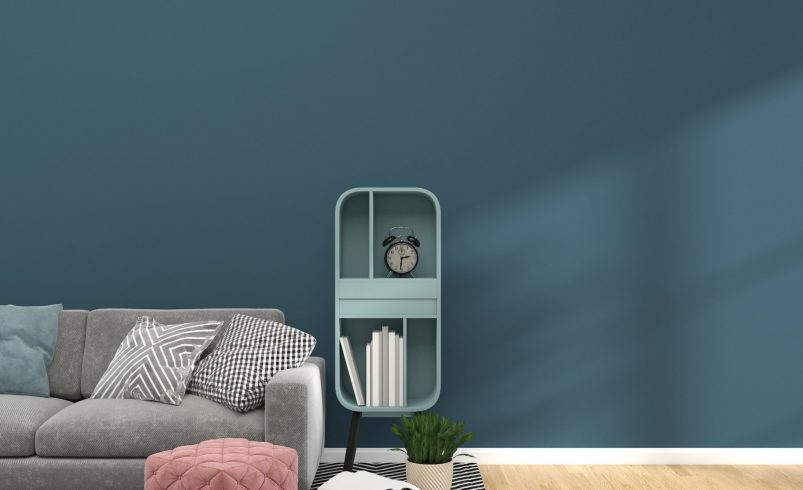

Accent walls are a powerful design tool, but deciding between bold or subtle colors can be challenging. The choice impacts a room’s mood, perception of space, and overall style. Whether you want a dramatic statement or understated elegance, understanding how to approach accent wall painting ensures your room looks cohesive and stylish.
This guide provides expert tips on choosing, painting, and balancing bold and subtle accent walls.
Bold Accent Walls
When to Choose Bold Colors
- Large rooms that can handle strong visual impact
- Focal points like fireplaces, media walls, or feature walls behind beds
- Spaces where you want to create drama and personality
Popular Bold Colors for 2026
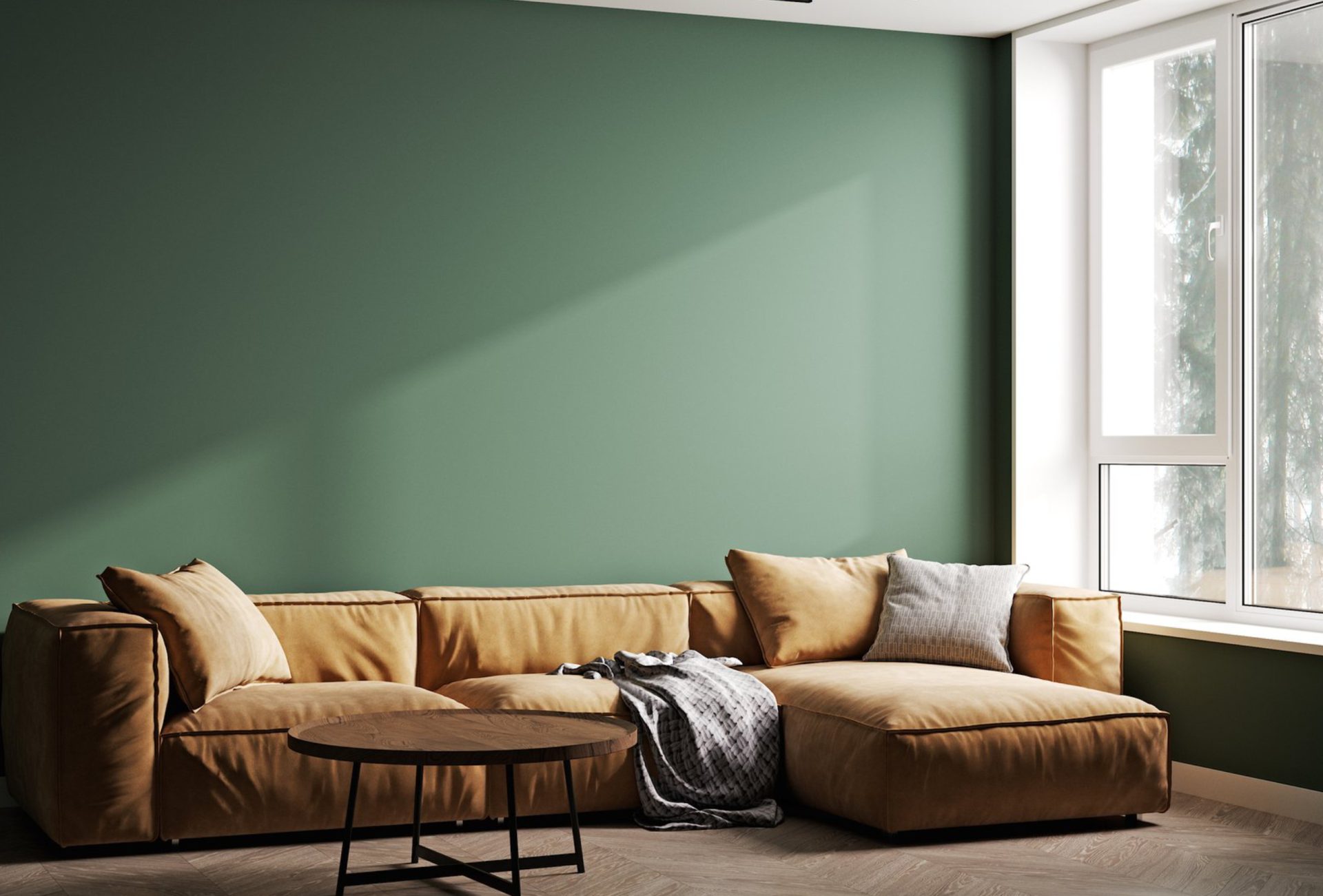
- Deep navy, emerald green, charcoal, burgundy
- Bright jewel tones like sapphire or amethyst
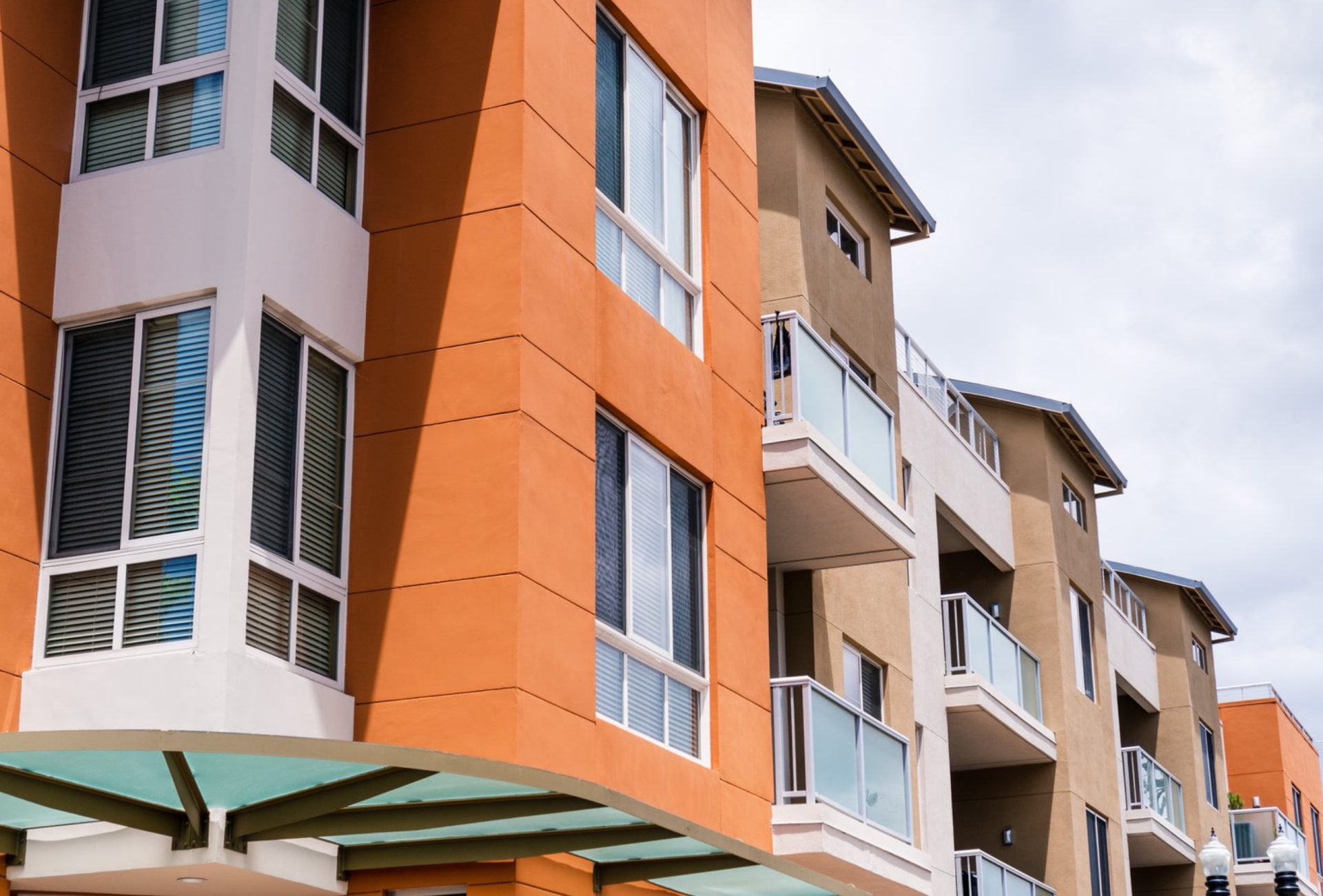
- Rich earthy tones like terracotta or rust
Tips for Bold Accent Walls
- Balance With Neutral Surroundings: Use lighter wall colors, neutral furniture, and soft décor to prevent the room from feeling heavy.
- Lighting Matters: Natural and artificial light affect color perception. Ensure the wall doesn’t make the room feel dark or cramped.
- Limit Boldness: Use one wall per room to avoid overwhelming the space.
- Consider Finish: Semi-gloss or satin finishes highlight bold colors beautifully, adding depth and richness.
Pro Tip: Pair bold accent walls with complementary décor or artwork for a cohesive, high-end look.
Subtle Accent Walls
When to Choose Subtle Colors
- Small rooms or low ceilings
- Bedrooms, offices, or spaces where calm and relaxation are desired
- When you want gentle contrast without dramatic statements
Popular Subtle Colors for 2026
- Soft neutrals like beige, cream, taupe
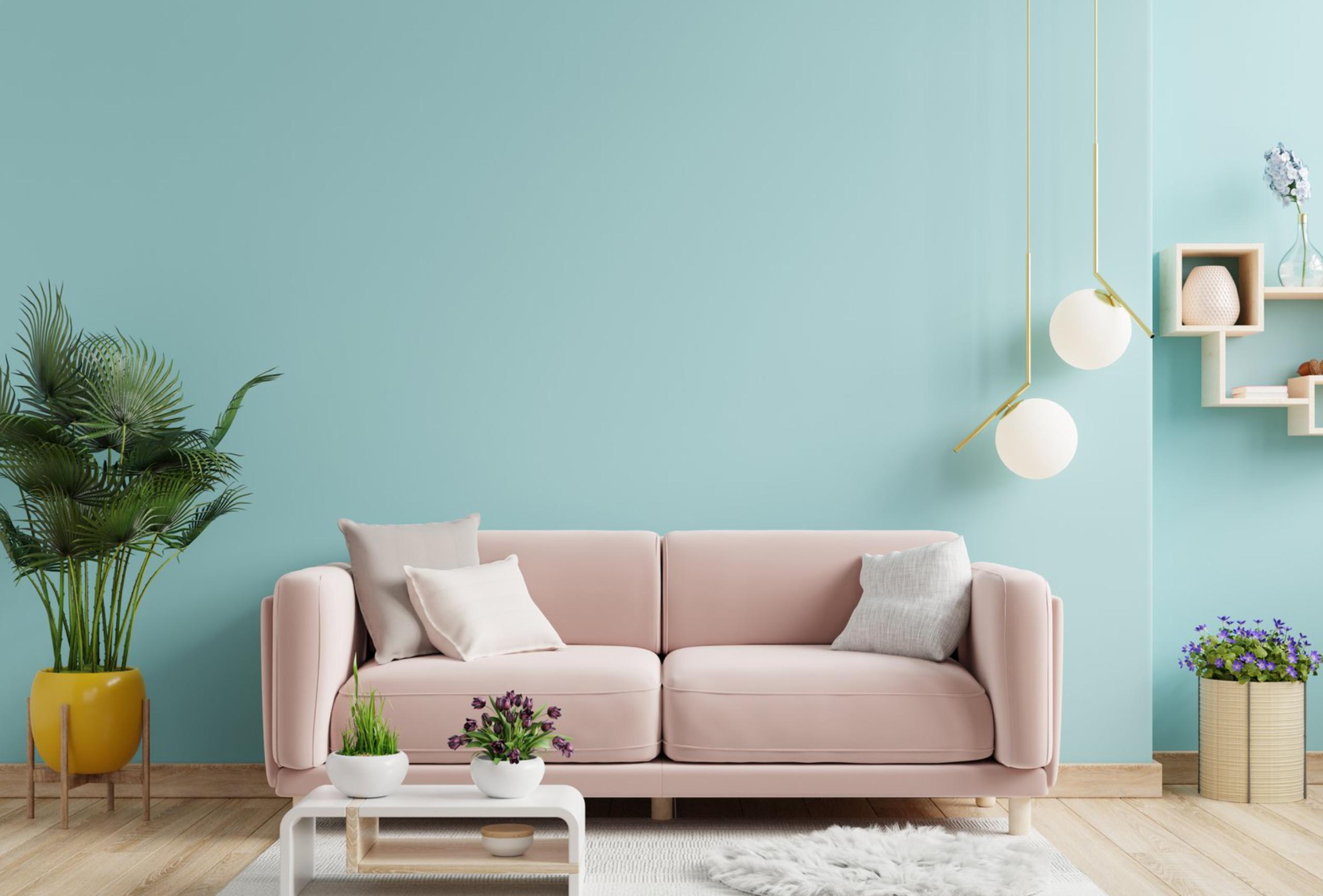
- Muted pastels like blush pink, powder blue, or sage green
- Warm earth tones for cozy atmospheres
Tips for Subtle Accent Walls
- Choose Harmony Over Contrast: The color should complement wall and décor tones without standing out too sharply.
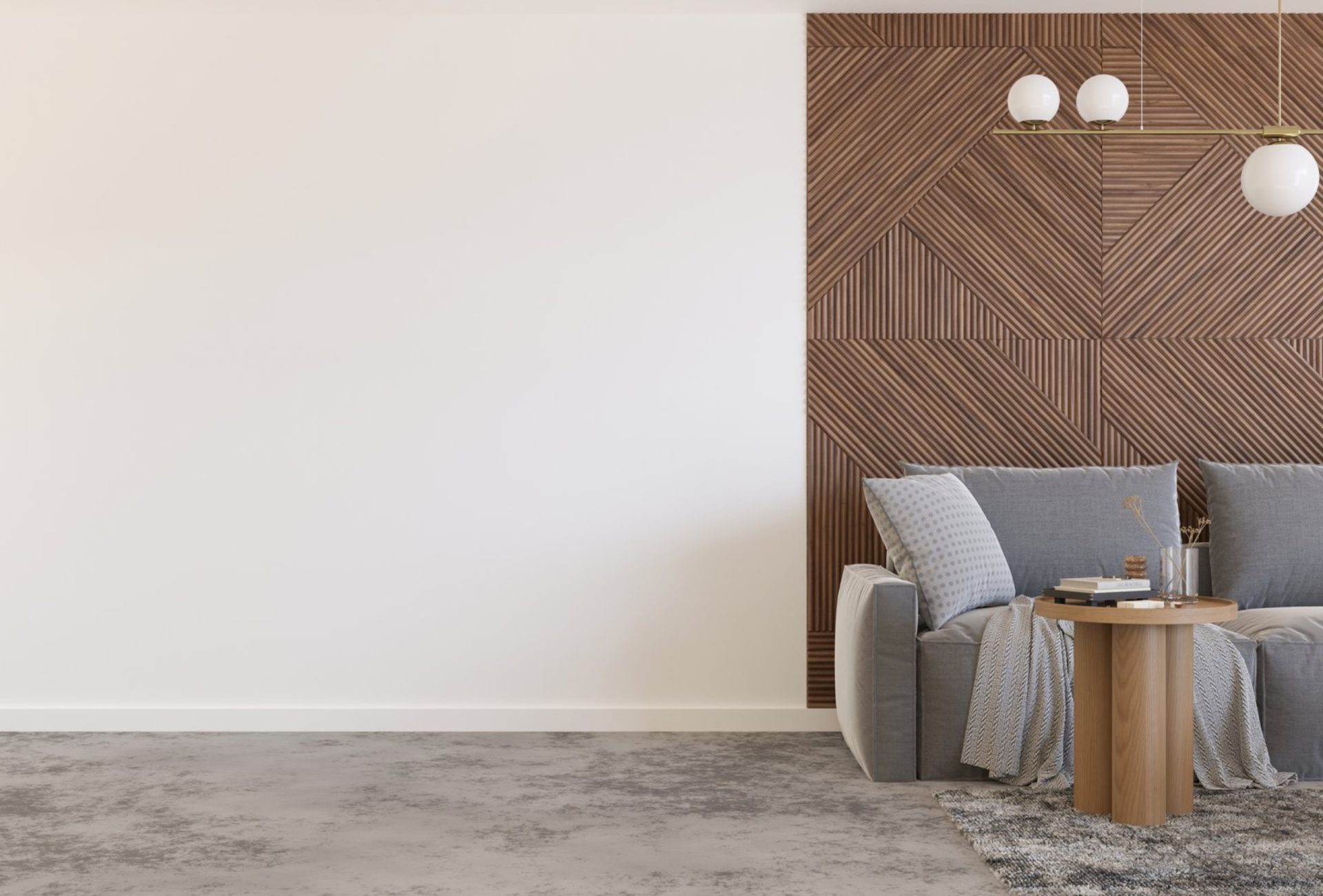
- Highlight Texture: Subtle colors work beautifully with textured finishes, like plaster, wood panels, or wallpaper.
- Lighting and Finish: Matte or eggshell finishes enhance soft colors, keeping rooms cozy and inviting.
- Use Subtle Borders or Trim: A matching trim or molding can enhance the effect without adding contrast.
Pro Tip: Subtle accent walls add sophistication and depth while keeping rooms light and airy.
Placement Tips for Any Accent Wall
- Focal Points: Behind a bed, sofa, fireplace, or entertainment center
- Room Layout: Avoid walls with multiple doors or broken-up panels
- Lighting: Consider how windows, artificial lighting, and shadows affect color perception
- Room Function: Bold colors energize social areas; subtle colors calm bedrooms and offices
Professional vs DIY Accent Wall Painting
Professionals ensure:
- Accurate color selection based on lighting and décor
- Crisp, clean lines without smudges or uneven edges
- Proper prep, priming, and multiple coats for durability
- Advice on balancing bold or subtle tones with room architecture
Chicagoland Paint Pro Tip: Even subtle accent walls require precision cutting-in and smooth rolling to look polished and professional.
Common Mistakes to Avoid
- Using multiple bold walls in a single small room—creates visual clutter
- Choosing subtle shades that are too close to surrounding walls—loses accent impact
- Ignoring lighting effects, which can make colors appear different
- Skipping prep or priming, leading to streaks or uneven coverage
- Overcomplicating patterns in small spaces
Final Thoughts
Accent walls, whether bold or subtle, are an easy and impactful way to transform any room. Bold walls create drama, depth, and personality, while subtle walls add sophistication, harmony, and calmness. The key is balancing the wall color with the room’s function, lighting, décor, and size.
With careful planning, proper painting techniques, and attention to detail, your accent wall can become the centerpiece of your interior design, reflecting style, mood, and personality in a way that elevates your entire space.