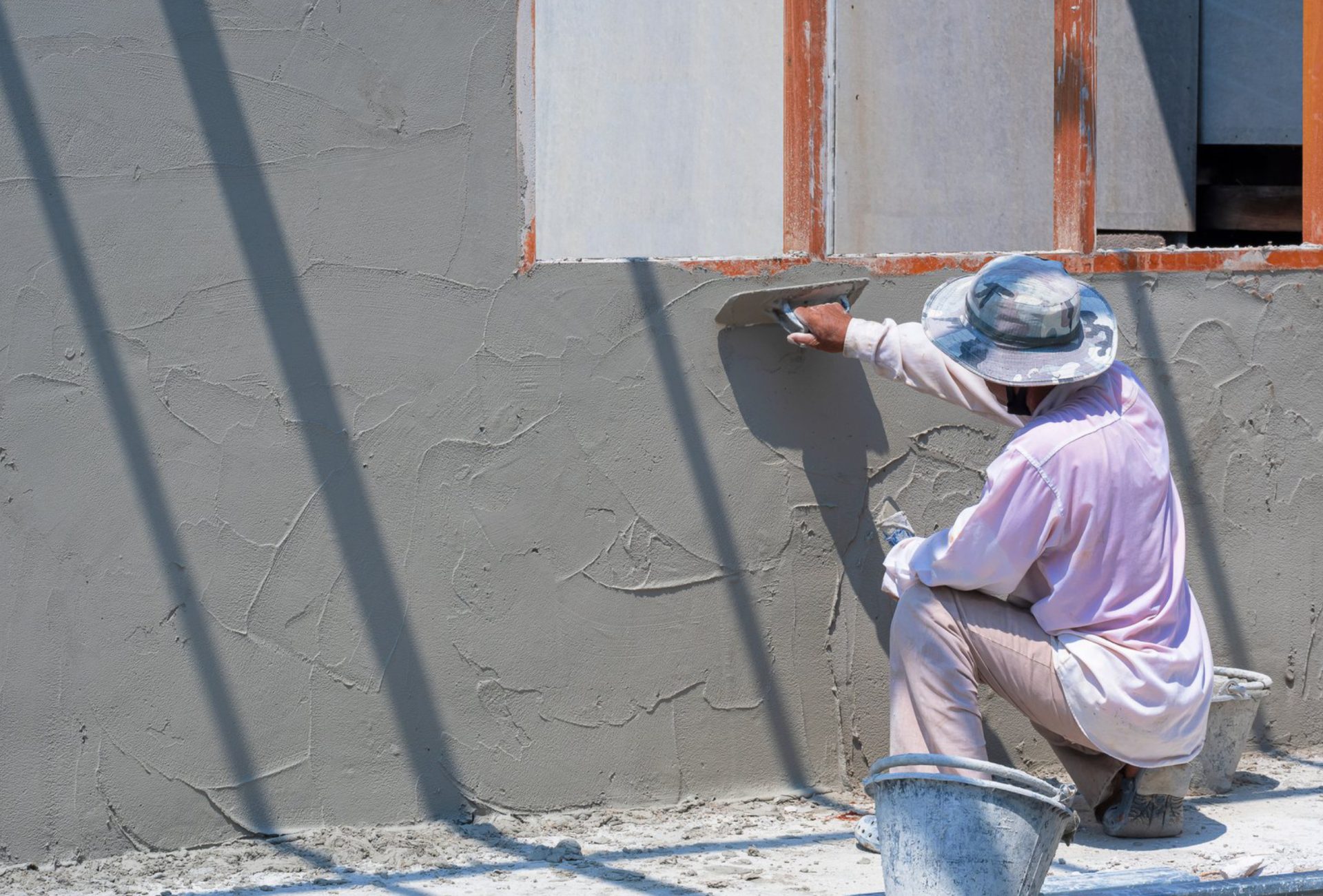






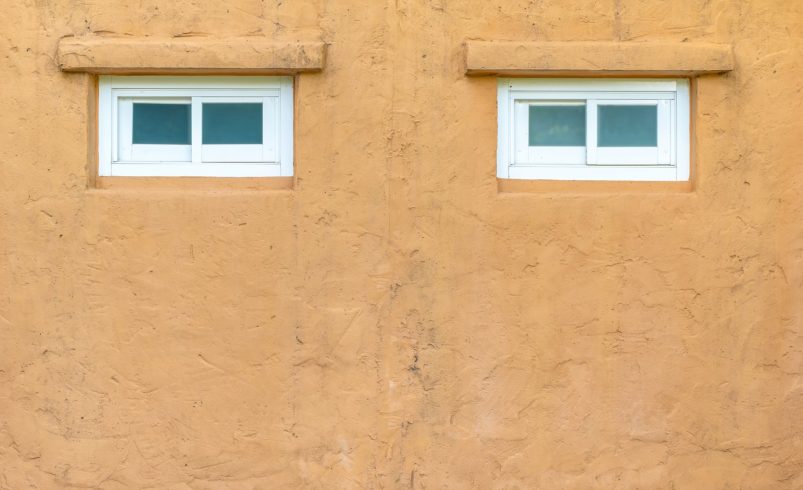

Stucco painting can dramatically improve the appearance of your home, but mistakes during the process can lead to peeling, cracking, or uneven finishes. Chicago’s climate—with hot summers, cold winters, and variable humidity—makes it especially important to use the right techniques and materials. Understanding common stucco painting mistakes helps homeowners achieve a long-lasting, professional finish.
This guide highlights the most frequent errors and how to avoid them.
Mistake 1: Painting on Dirty or Unprepared Stucco
Why it’s a problem: Dirt, dust, mold, and loose particles prevent paint from adhering properly, leading to peeling and flaking over time.
How to avoid it:
- Thoroughly clean the stucco with a pressure washer or stiff brush.
- Remove mold or mildew with a mild detergent solution.
- Ensure the surface is completely dry before priming or painting.
Chicagoland Paint Pro Tip: Surface prep is 50% of a successful stucco paint job—never skip this step.
Mistake 2: Skipping Primer
Why it’s a problem: Bare or highly porous stucco absorbs paint unevenly, causing color inconsistencies and reducing durability.
How to avoid it:
- Apply a masonry or acrylic primer for unpainted or porous stucco.
- Use a primer designed to improve adhesion and seal the surface.
Pro Tip: Primer also prevents moisture from penetrating through the paint, protecting your stucco walls.
Mistake 3: Using the Wrong Paint Type
Why it’s a problem: Interior paints or low-quality exterior paints may not withstand Chicago’s weather, leading to fading, cracking, or peeling.
How to avoid it:
- Use exterior-grade acrylic latex, elastomeric coating, or masonry paint.
- Choose paints with UV protection and moisture resistance.
- For textured or rough stucco, select thick, durable formulations that fill minor imperfections.
Mistake 4: Painting in Extreme Weather
Why it’s a problem: Painting in high heat, freezing temperatures, or high humidity can prevent paint from curing properly, causing bubbling, cracking, or uneven finish.
How to avoid it:
- Check the forecast and paint on mild, dry days.
- Avoid painting if temperatures are below 50°F or above 85°F.
- Avoid rainy or excessively humid conditions.
Pro Tip: Chicago’s spring and early fall often provide ideal painting conditions.
Mistake 5: Applying Paint Too Thickly
Why it’s a problem: Thick coats can drip, run, and fail to adhere evenly to stucco’s textured surface, leading to peeling.
How to avoid it:
- Apply multiple thin coats instead of one heavy coat.
- Maintain a wet edge while painting to avoid lap marks.
- Use appropriate tools: thick-nap rollers, stiff brushes, or sprayers for even coverage.
Mistake 6: Ignoring Stucco Cracks or Damage
Why it’s a problem: Painting over cracks, holes, or damaged areas traps moisture and worsens structural problems, reducing paint lifespan.
How to avoid it:
- Inspect the stucco thoroughly before painting.
- Repair minor cracks with stucco patching compound.
- Consult a professional for larger structural issues.
Mistake 7: Overlooking Trim and Architectural Details
Why it’s a problem: Paint can spill onto trim, windows, or doors, creating an unprofessional appearance.
How to avoid it:
- Use painter’s tape to protect trim, windows, and doors.
- Carefully cut in edges with a brush before rolling large areas.
- Consider contrasting colors for trim and accents to highlight features.
Mistake 8: Choosing the Wrong Color or Finish
Why it’s a problem: The wrong color or finish can make your home look dated or clash with surroundings. Glossy finishes may highlight imperfections, while flat paints may not be easy to clean.
How to avoid it:
- Test color swatches in multiple lighting conditions.
- Match color with roof, landscaping, and trim for harmony.
- Choose a finish suitable for stucco: satin or eggshell for subtle sheen, elastomeric for protection, flat for textured walls.
Mistake 9: Neglecting Maintenance After Painting
Why it’s a problem: Even the best paint job can fail without proper care. Dirt, mold, or small chips can cause long-term damage.
How to avoid it:
- Inspect painted stucco annually for peeling or damage.
- Clean gently using mild detergent and soft brushes or low-pressure washing.
- Repair any chips or cracks promptly.
Pro Tip: Scheduled maintenance extends the life of your stucco paint, keeping it vibrant for 10–15 years or longer.
Final Thoughts
Painting stucco is a project that can elevate your home’s appearance, but mistakes can be costly and reduce longevity. By avoiding common errors—such as skipping primer, using the wrong paint, painting in extreme weather, or neglecting surface prep—homeowners can achieve a beautiful, durable, and long-lasting finish.
Careful planning, proper materials, attention to detail, and regular maintenance ensure that your stucco exterior remains vibrant, protective, and visually appealing for years. Chicago homeowners who follow these guidelines will enjoy a professional-quality stucco paint job that enhances both curb appeal and property value.