



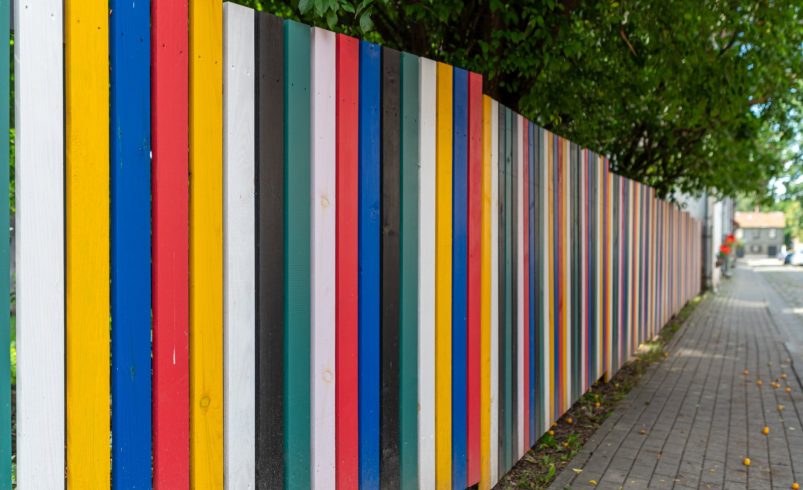

The color of your fence can dramatically impact your home’s curb appeal, complement landscaping, and create a polished outdoor space. Choosing the right shade requires balancing style, home exterior, and neighborhood aesthetics. This guide explores fence painting color ideas suitable for every home, from classic to modern styles.
1. Classic Natural Wood Tones
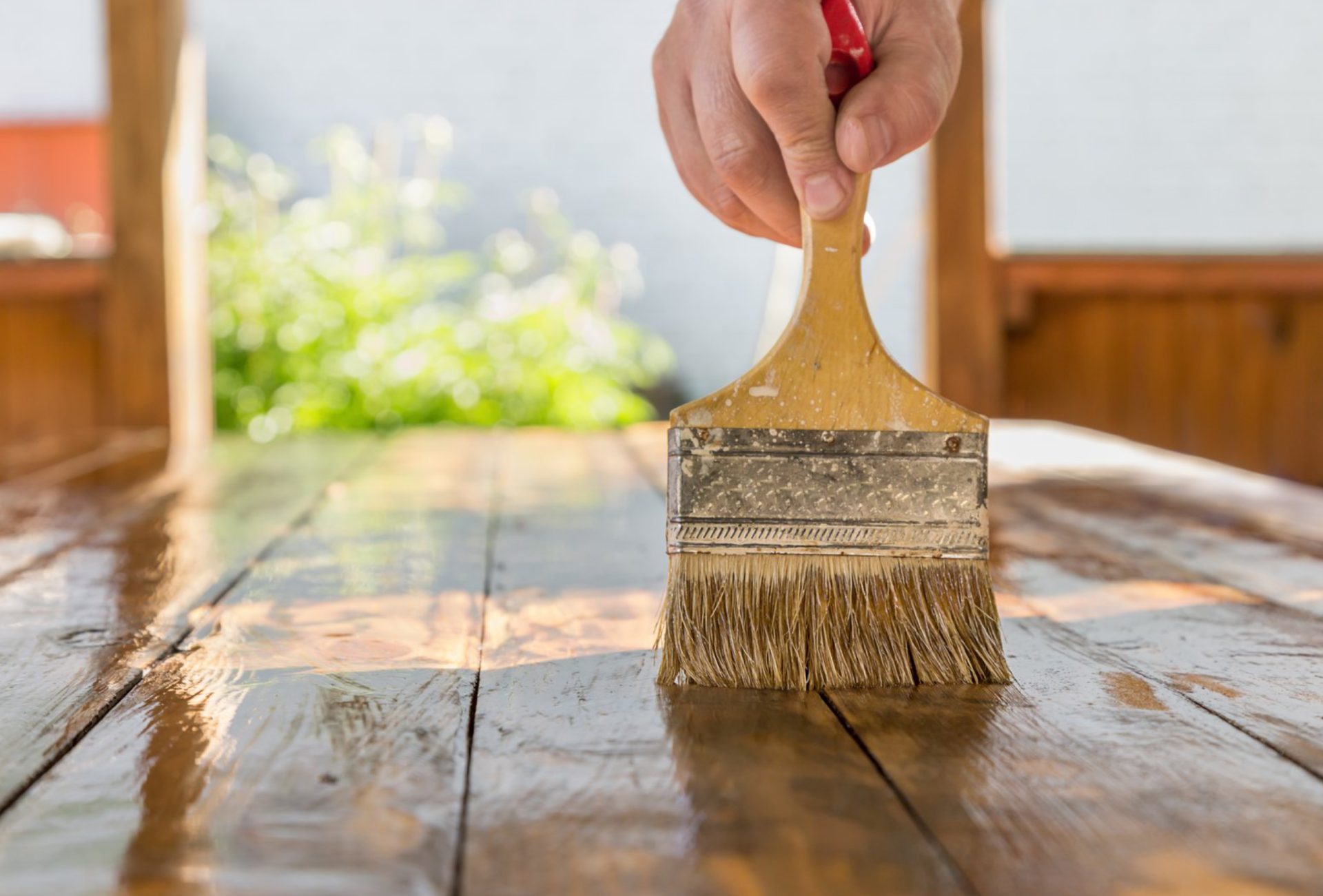
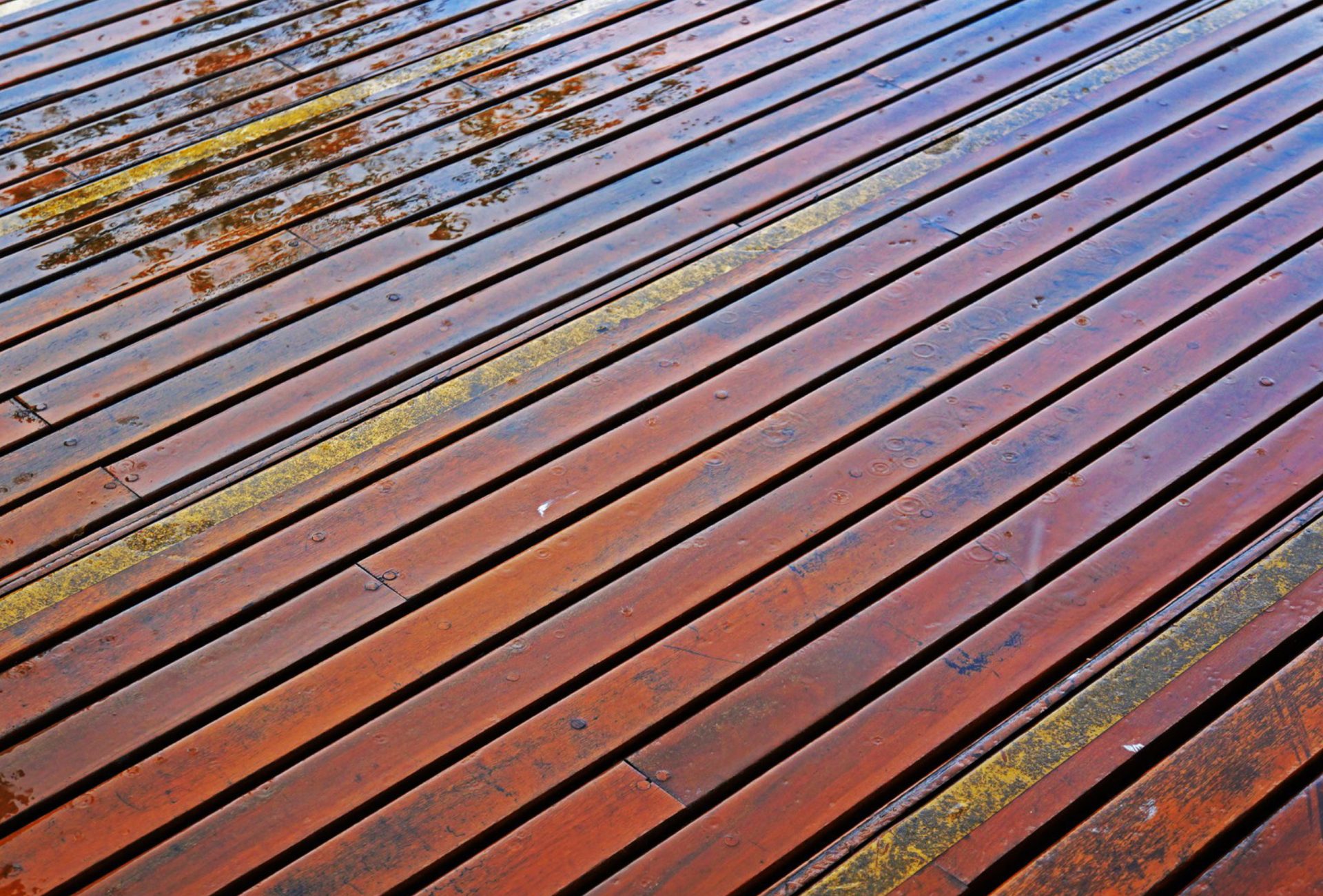
- Soft browns, honey, or cedar shades enhance the wood’s natural beauty.
- Perfect for traditional homes, rustic yards, or gardens with natural landscaping.
- Semi-transparent stains preserve the grain while adding warm tones.
Pro Tip: Natural wood tones blend seamlessly with greenery and outdoor elements.
2. Crisp White Fences
- White fences evoke a clean, timeless look.
- Ideal for Victorian, colonial, or cottage-style homes.
- Works beautifully with flower gardens, trimmed hedges, and colorful landscaping.
Pro Tip: Use high-quality, weather-resistant paint to prevent yellowing or fading.
3. Dark Brown and Espresso
- Adds sophistication, elegance, and a modern touch.
- Hides dirt and stains better than lighter colors.
- Works well with stone exteriors, brick homes, or contemporary designs.
Pro Tip: Dark fences can create a striking contrast with lush gardens or light-colored homes.
4. Gray and Weathered Wood Shades
- Popular in modern and industrial-style homes.
- Neutral tones complement metal, concrete, or minimalist landscaping.
- Gives a subtle, elegant, and low-maintenance aesthetic.
Pro Tip: Pair gray fences with vibrant plants or colorful outdoor furniture for balance.
5. Black Fences for Bold Statements
- Black adds drama, sophistication, and a contemporary feel.
- Works well with white or light-colored homes for high contrast.
- Can make gardens and greenery appear more vibrant.
Pro Tip: Use UV-resistant black paint to prevent fading over time.
6. Soft Pastels for Cottages and Gardens
- Light blues, greens, or muted yellows create a charming, whimsical effect.
- Ideal for cottages, beach-style homes, or floral garden settings.
- Pastels pair beautifully with white trim or vintage outdoor décor.
Pro Tip: Pastel shades need high-quality exterior paint for durability and color retention.
7. Two-Tone or Accent Combinations
- Paint fence panels one color and posts, gates, or trim a complementary shade.
- Creates visual depth and highlights architectural features.
- Popular combinations: gray panels with black posts, brown panels with cream trim.
Pro Tip: Two-tone fences add style without overwhelming your yard.
8. Match Your Home Exterior
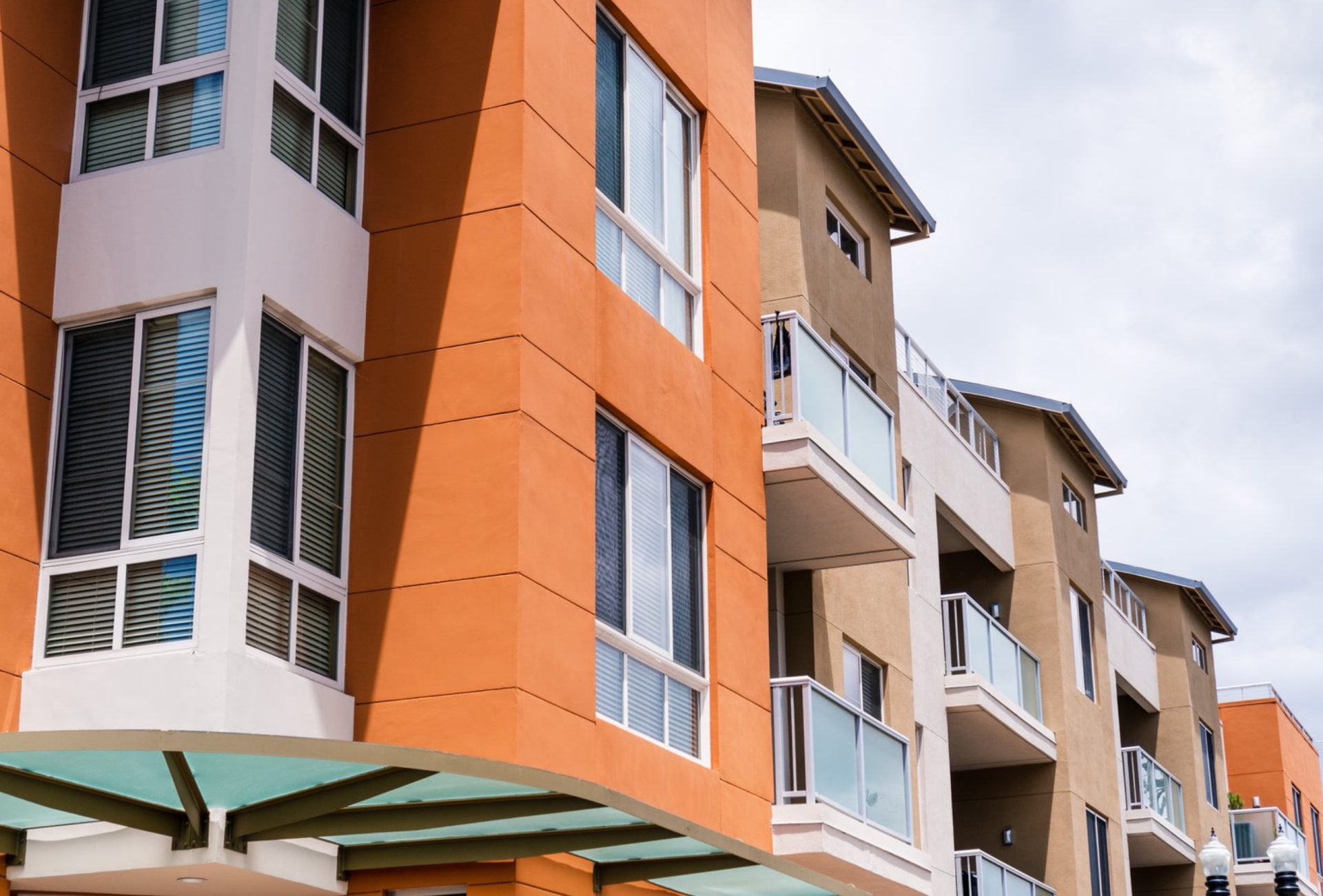
- Coordinate fence colors with siding, roof, or stone accents for cohesive aesthetics.
- Warm-toned homes pair with rich browns or redwoods; cool-toned homes pair with grays or blacks.
- Avoid colors that clash with your landscaping or exterior finishes.
Pro Tip: Consider the entire outdoor palette before selecting your fence color.
9. Consider Neighborhood Context
- Ensure your color choice complements nearby homes and follows HOA guidelines if applicable.
- Harmonious colors maintain curb appeal while allowing individuality.
- Neutral tones are safer for uniform neighborhoods; bold shades work for standalone properties.
Pro Tip: Blend personal style with neighborhood aesthetics for lasting appeal.
10. Professional Fence Painting Services
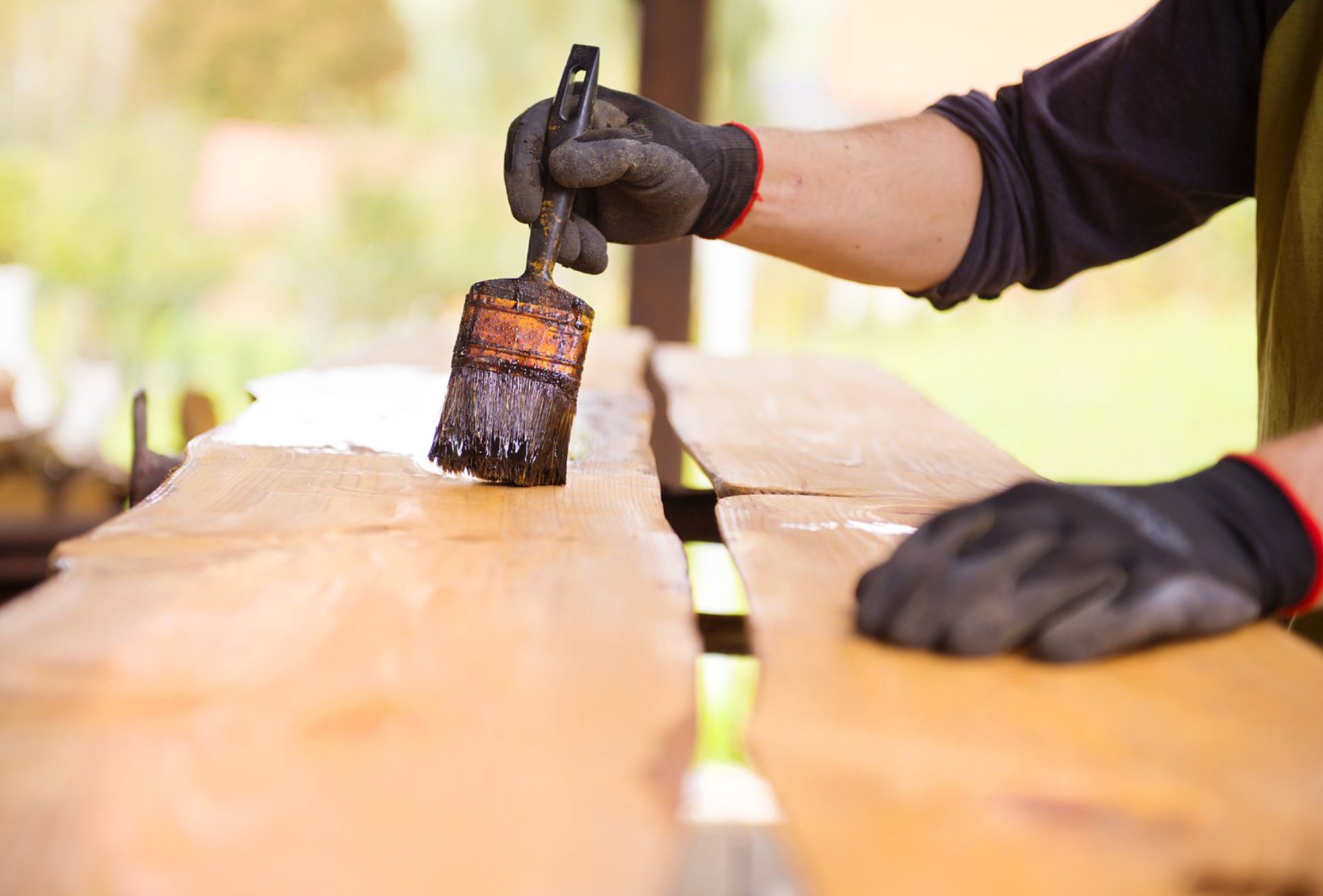
- Experts like Chicagoland Paint Pro provide color consultation, expert prep, and flawless application.
- Professionals ensure even coverage, durable finishes, and long-lasting protection.
- Saves time, prevents mistakes, and delivers a polished, professional look.
Pro Tip: Professional guidance ensures the fence color complements your home and lasts for years.
Conclusion
Selecting the perfect fence color enhances curb appeal, complements your home, and elevates your outdoor space. From classic wood tones to bold blacks or soft pastels, choosing a shade that fits your style and environment is key. For expert advice, precise application, and long-lasting results, Chicagoland Paint Pro provides professional fence painting services that make every home’s exterior stand out.