



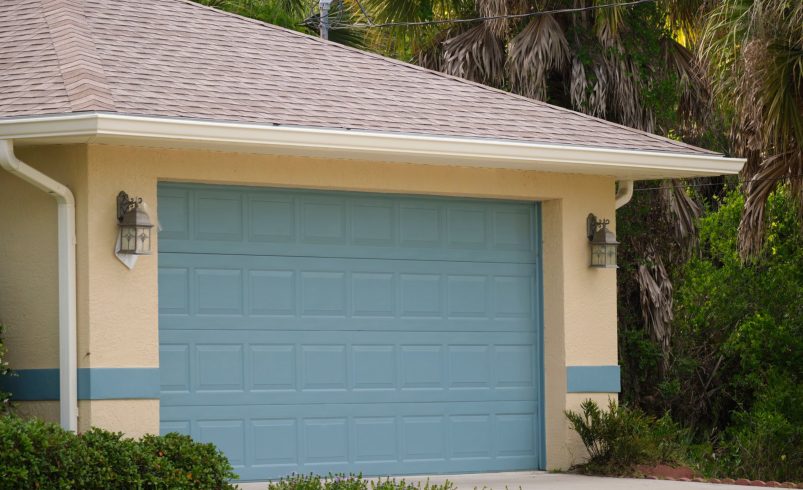

Your garage is more than just a storage space—it’s an integral part of your home’s exterior that contributes to curb appeal and protects valuable vehicles and belongings. Painting your garage exterior is an excellent way to enhance aesthetics, increase durability, and protect the structure from harsh weather conditions, especially in Chicago’s fluctuating climate. However, garages face unique challenges, including high exposure to sunlight, temperature changes, and occasional impacts, making proper painting techniques crucial.
This guide provides tips for a durable, long-lasting garage exterior paint job.
Why Garage Exterior Painting is Important
- Protects the Structure: Quality paint prevents moisture infiltration, rot, and surface damage.
- Enhances Curb Appeal: A freshly painted garage improves the overall appearance of your home.
- Increases Longevity: Proper painting techniques extend the life of the siding, doors, and trim.
- Prevents Fading and Peeling: Durable exterior paints withstand harsh sun, rain, snow, and ice.
Chicagoland Paint Pro Tip: Garages are often overlooked, but they receive the same exposure as the rest of your home—painting them properly ensures uniform protection and visual appeal.
Step 1: Inspect the Garage Exterior
Before painting:
- Look for cracks, holes, or surface damage in the siding or trim.
- Check for peeling paint or exposed wood on garage doors.
- Identify areas with mildew, mold, or dirt accumulation.
- Ensure the surface is structurally sound, including walls, doors, and frames.
Pro Tip: Repair any damage before painting to ensure the paint adheres properly and lasts longer.
Step 2: Clean the Surface
- Vinyl or Metal Garage Doors: Wash with mild detergent and water to remove dirt, grease, and dust.
- Wood or Fiber Cement Garage Siding: Use a stiff brush and mild detergent solution.
- Exterior Walls: Pressure washing can remove debris, mildew, and old peeling paint.
Chicagoland Paint Pro Tip: Let the surface dry completely—painting on damp surfaces can cause peeling and uneven finish.
Step 3: Repair and Prep
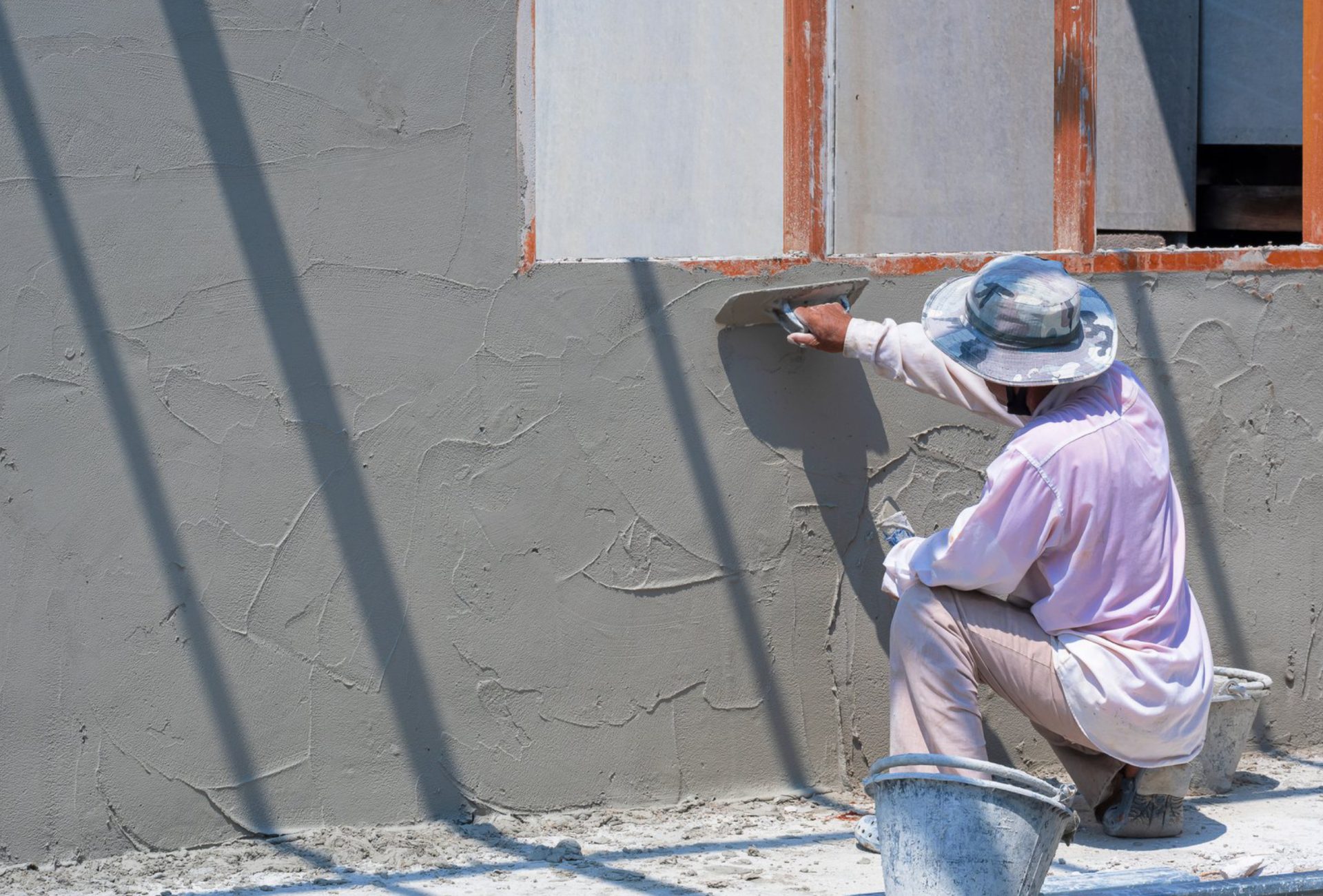
- Fill Cracks and Holes: Use exterior-grade filler or caulk for siding and trim.
- Sand Rough Areas: Smooth uneven patches, particularly on wood or metal surfaces.
- Remove Loose Paint: Scrape any flaking paint to create a stable base.
- Prime Bare or Repaired Areas: Use a primer suitable for the garage material—metal, wood, or masonry.
Proper prep ensures long-term durability and prevents common painting problems.
Step 4: Choose the Right Paint
- Garage Doors: Use exterior-grade acrylic latex, oil-based, or enamel paint designed for metal or wood surfaces.
- Siding: Match paint to siding material—vinyl, wood, or fiber cement.
- Finish Options:
- Satin or semi-gloss for easy cleaning and durability
- Matte for textured siding to hide imperfections
- Weather Resistance: Ensure paint is UV- and moisture-resistant for Chicago’s seasonal changes.
Step 5: Apply Paint Correctly
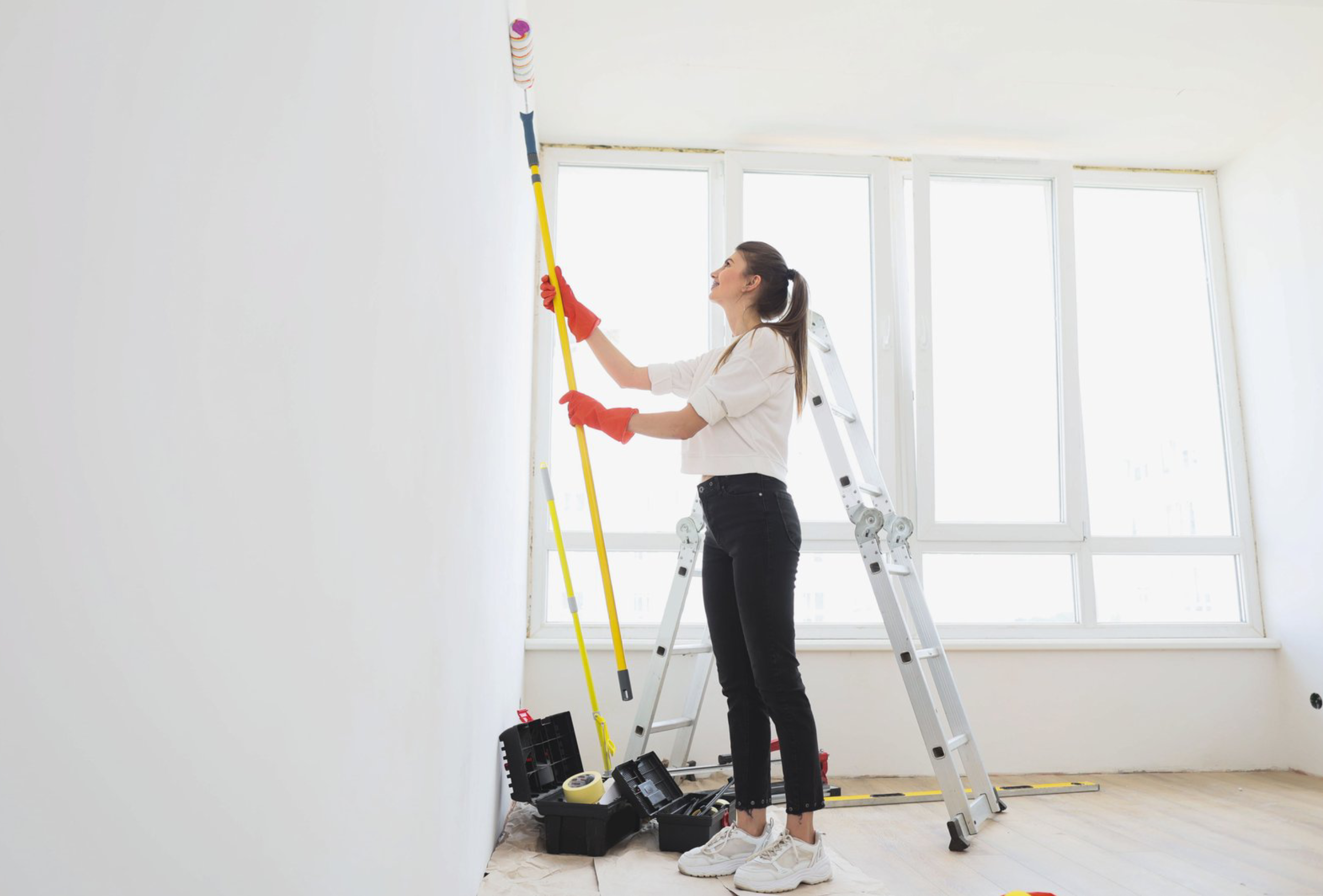
- Tools: Brushes for edges and detailed areas, rollers for large flat surfaces, or sprayers for even coverage.
- Multiple Thin Coats: Prevents drips, uneven texture, and peeling.
- Maintain a Wet Edge: Ensures consistent coverage and prevents lap marks.
- Edge Protection: Use painter’s tape on trim, windows, and adjacent areas.
Pro Tip: Always paint in mild, dry weather to avoid problems with curing or adhesion.
Step 6: Highlight Trim and Accents
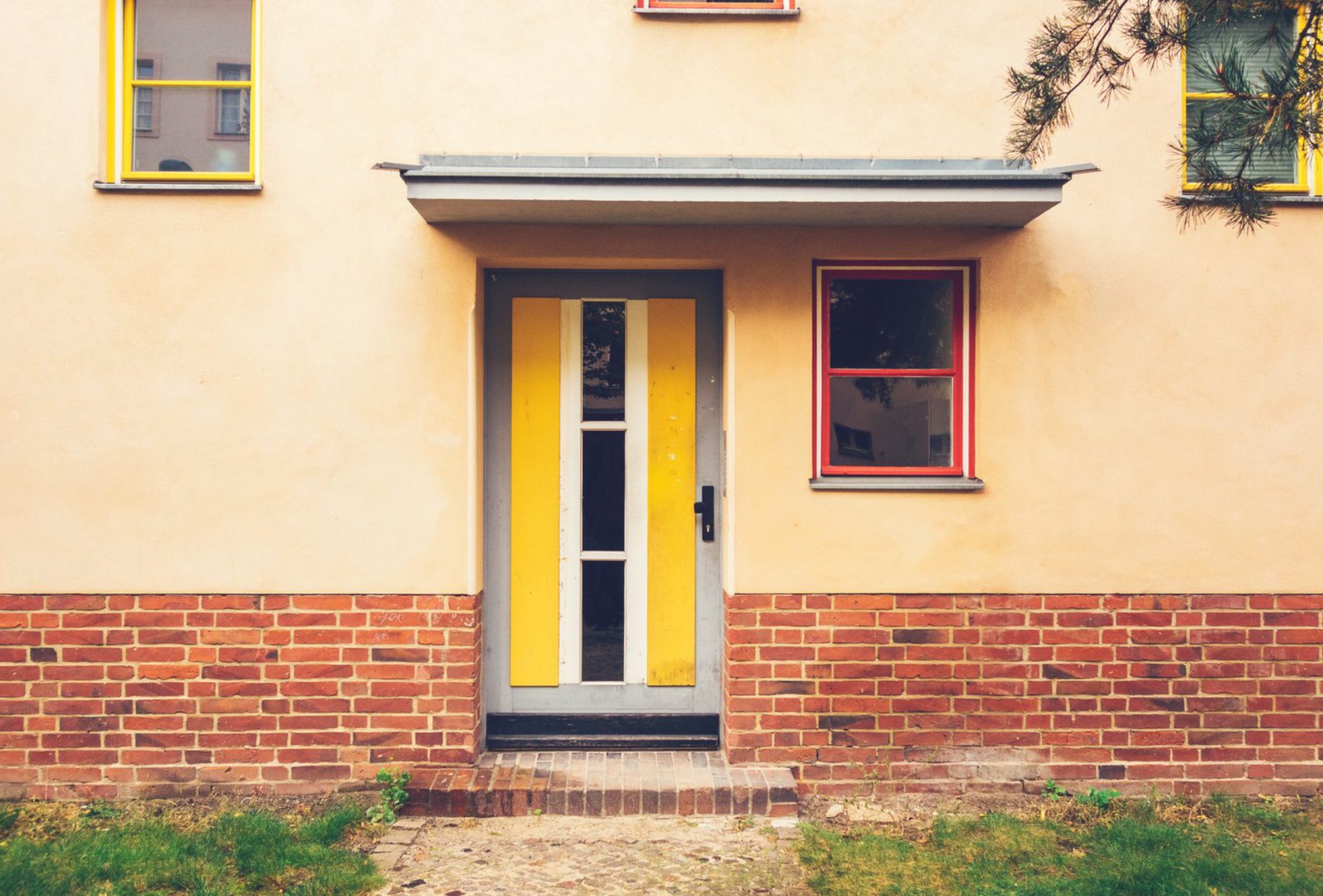
- Paint trim, frames, and garage door panels in complementary colors to enhance curb appeal.
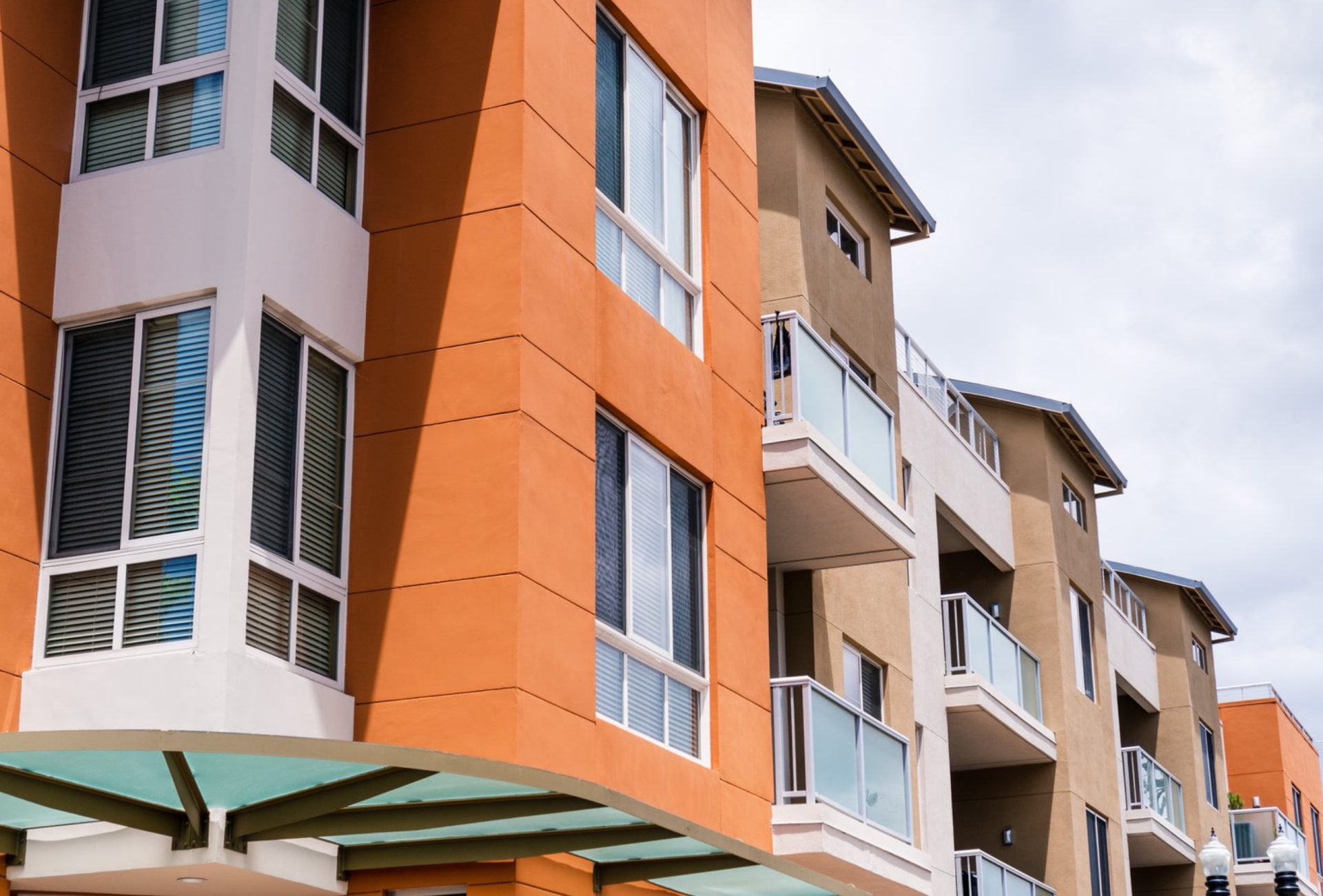
- Consider coordinating garage paint with house siding and roof for a cohesive look.
- Bold accent colors on the door can create a striking focal point.
Step 7: Maintenance Tips
- Inspect annually for peeling, fading, or damage.
- Clean surfaces with mild detergent to remove dirt and mildew.
- Touch up small areas to prevent water infiltration.
- Repaint every 10–15 years, depending on material and exposure.
Chicagoland Paint Pro Tip: Regular maintenance prolongs the life of the paint and keeps your garage looking fresh.
Common Mistakes to Avoid
- Skipping surface prep or cleaning
- Painting over peeling paint or damaged surfaces
- Using interior paint or paint not rated for exterior use
- Painting during extreme temperatures or humidity
- Applying thick coats instead of multiple thin layers
Final Thoughts
Painting your garage exterior enhances both aesthetics and protection, making it a vital part of any home improvement project. By inspecting, cleaning, repairing, priming, and using the right exterior paint, homeowners in Chicago can achieve a durable, professional-quality finish that stands up to weather and wear.
Whether updating your garage siding or doors, a well-planned paint job ensures your home looks cohesive, inviting, and well-maintained for years to come.