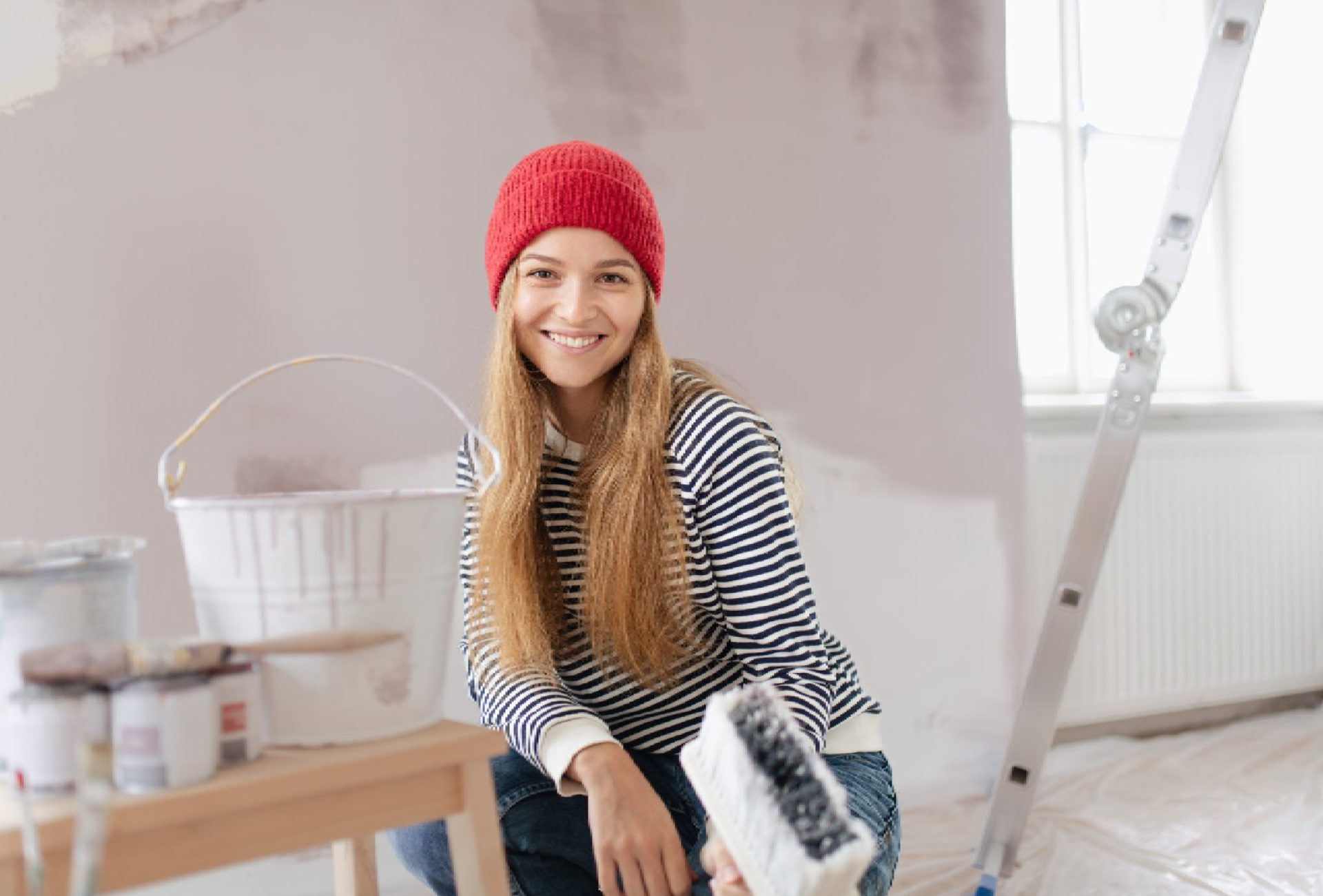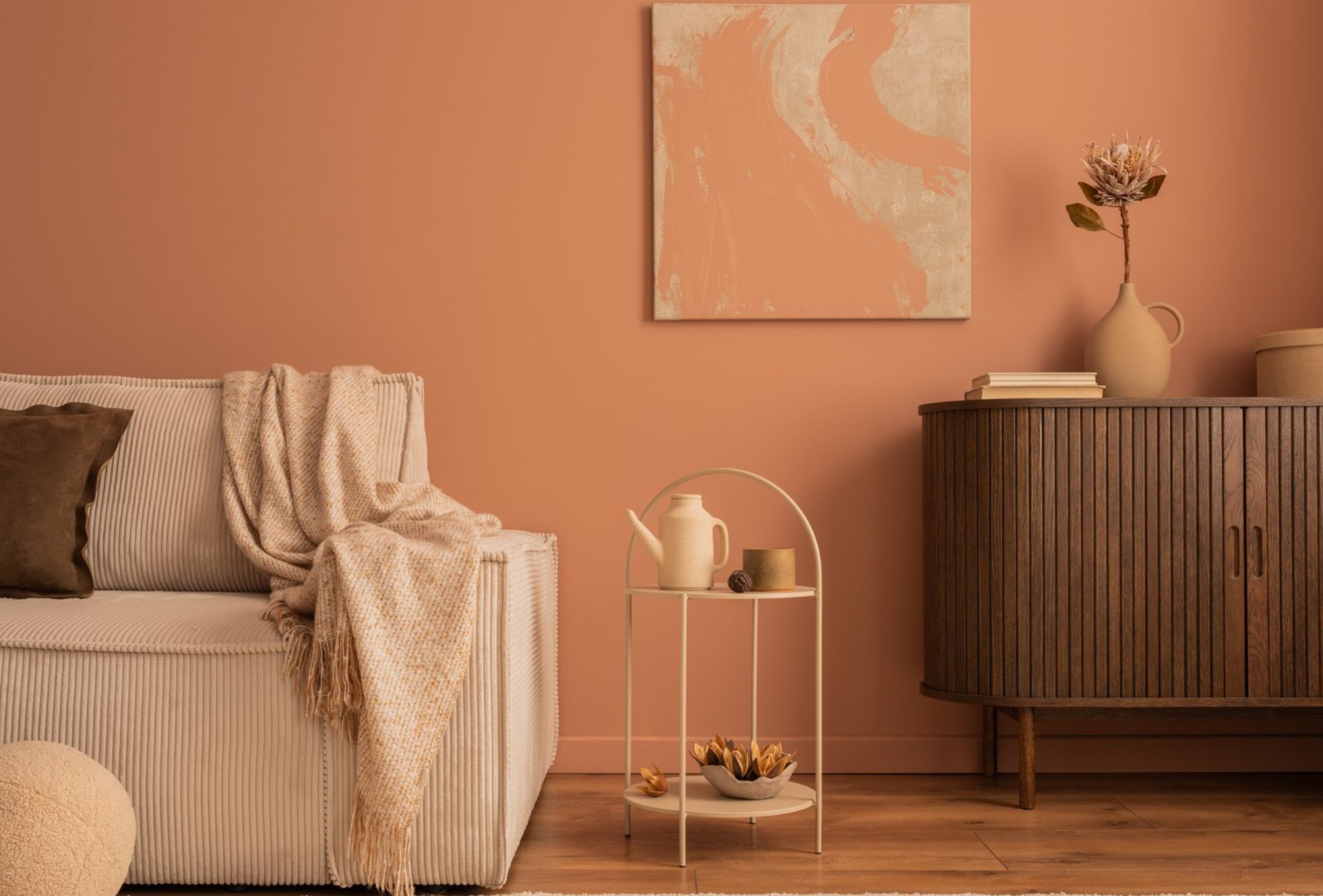

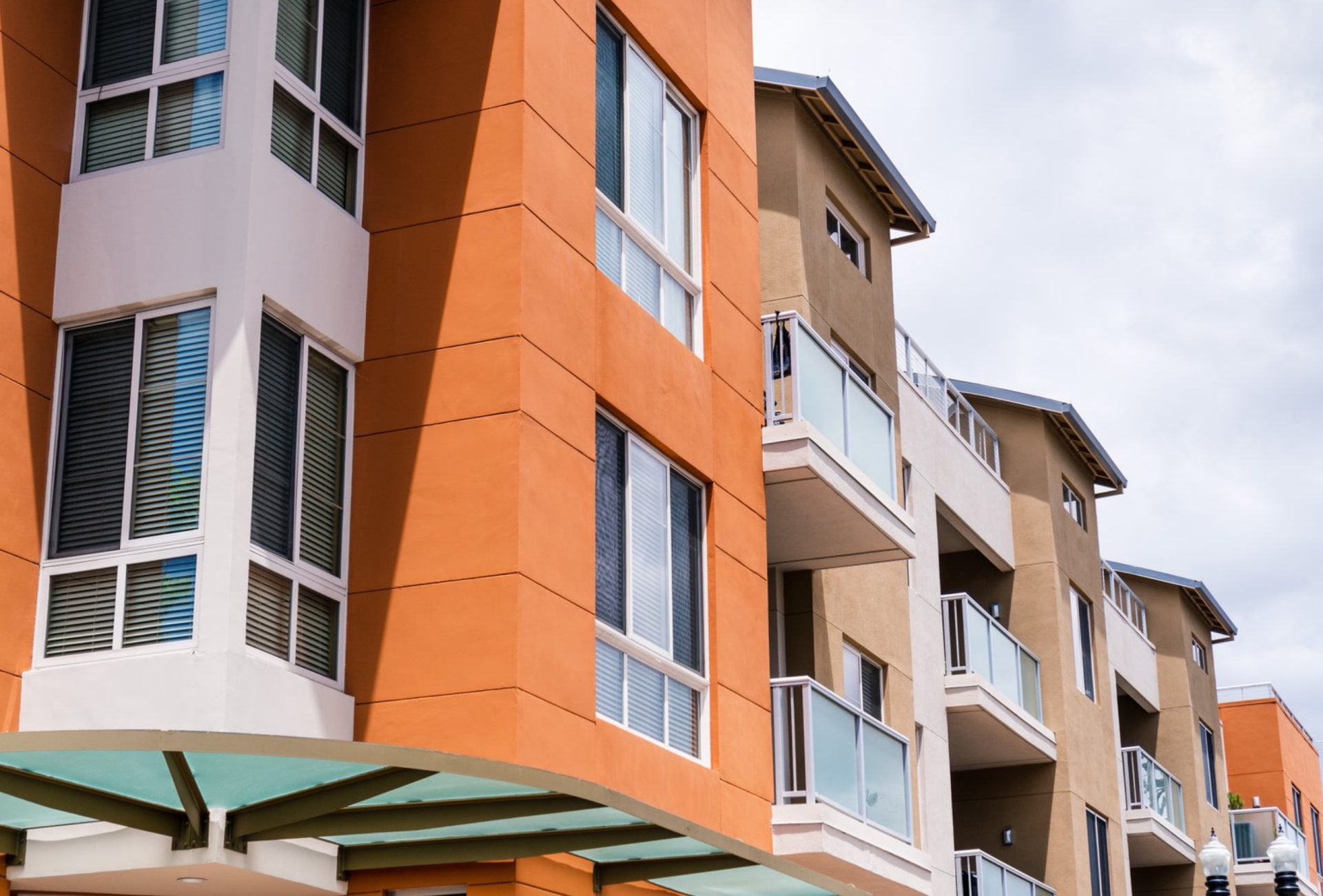
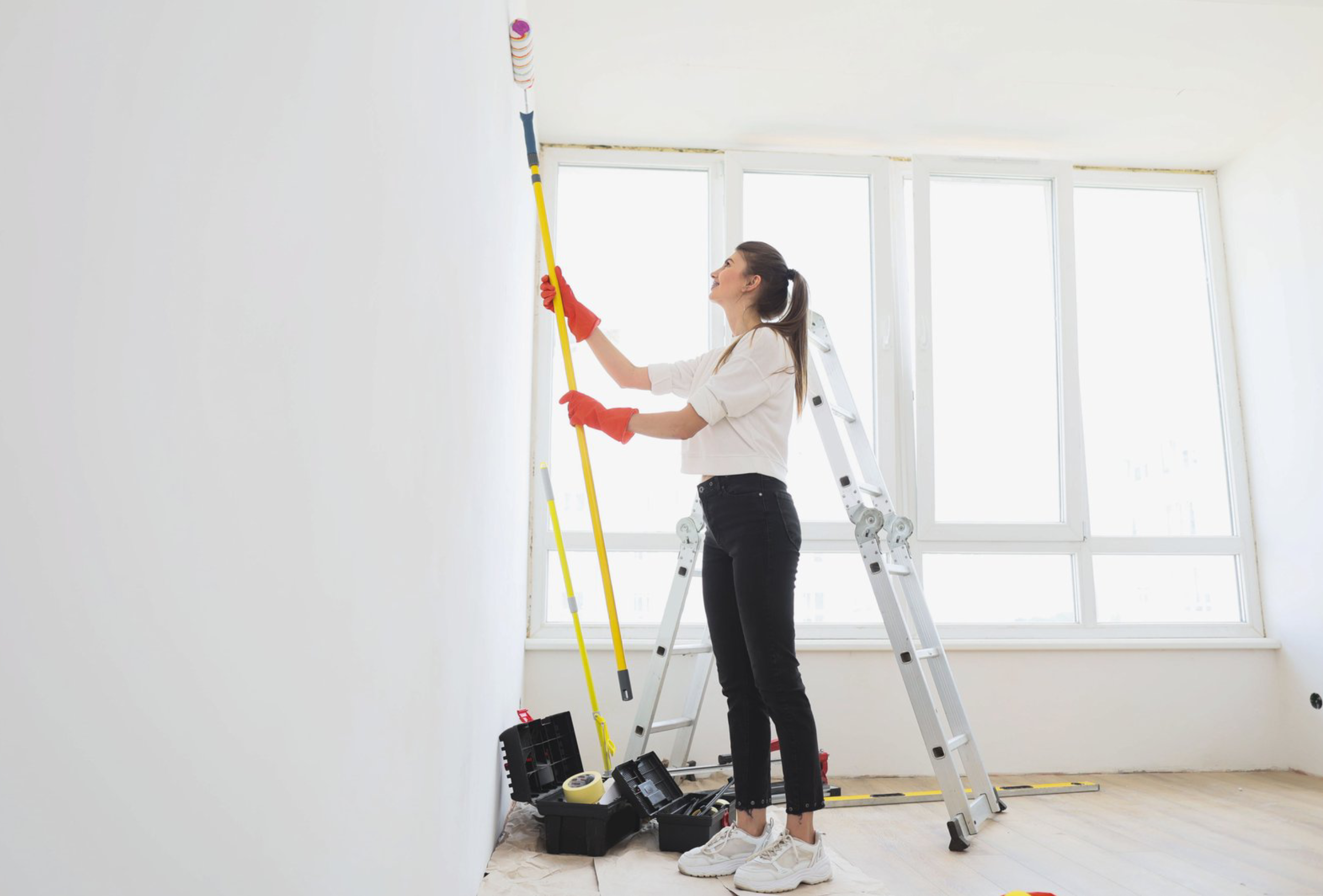




Chicago’s weather is famous for its extremes: hot summers, cold winters, sudden rainstorms, high humidity, and strong winds. For homeowners and painters, understanding how these conditions affect paint projects is critical. Improper timing or preparation can lead to peeling, fading, blistering, or cracking, reducing both the beauty and lifespan of your paint.
This guide explains how Chicago weather impacts interior and exterior painting, and offers strategies to ensure durable, professional results in every season.
The Challenges of Chicago Weather
1. Extreme Temperatures
- Summer Heat: High temperatures can cause paint to dry too quickly, leading to visible brush strokes, lap marks, or poor adhesion.
- Winter Cold: Freezing temperatures slow paint curing and can prevent proper bonding, especially for exterior latex paints.
2. Humidity Levels
- High Humidity: Slows drying, can cause streaking, sagging, or blistering. High humidity often occurs in spring and summer, especially after storms.
- Low Humidity: Common in winter due to heating systems; paint can dry too fast, creating cracks or uneven finish.
3. Precipitation
- Rain and Snow: Freshly painted exteriors are vulnerable to rain, snow, or even morning dew. Water can ruin curing paint, causing bubbles or washout.
- Ice and Frost: Can form on surfaces, preventing paint from adhering properly.
4. Wind
- Strong winds common in Chicago can blow dust, leaves, and debris onto wet paint, causing uneven texture or surface imperfections.
How Weather Affects Exterior Painting
- Temperature Ranges: Ideal exterior painting occurs between 50°F and 85°F. Avoid painting during extreme heat or cold.
- Surface Moisture: Rain or morning dew can prevent paint from sticking to siding, trim, or decks. Surfaces must be fully dry.
- Sun Exposure: Direct sun can heat surfaces unevenly, causing paint to dry too fast on one side and remain wet on another.
- Seasonal Timing: Late spring, early summer, and early fall are typically the best windows for exterior painting in Chicago.
How Weather Affects Interior Painting
- Humidity and Moisture: Cooking, bathing, and laundry increase indoor humidity, especially during rainy or snowy periods.
- Temperature Fluctuations: Cold indoor temperatures can slow drying and curing. Heating systems in winter can create uneven drying and cracking.
- Airflow: Proper ventilation helps balance temperature and humidity for smooth, even finishes.
Tips for Timing Paint Projects Around Chicago Weather
- Check Local Forecasts: Avoid painting on rainy, windy, or extremely hot/cold days.
- Seasonal Planning:
- Spring: Ideal for interior projects; exterior painting requires dry days and warm temperatures.
- Summer: Quick drying, but avoid peak midday heat; paint in mornings or evenings.
- Fall: Cooler temperatures and lower humidity favor exterior and interior projects.
- Winter: Focus on interiors with controlled temperature and humidity.
- Be Flexible: Chicago weather can change quickly; plan alternate dates in case of sudden storms.
Strategies to Mitigate Weather Challenges
1. Surface Preparation
- Power wash exterior walls and decks to remove dust, dirt, and mildew.
- Repair cracks, holes, or peeling paint to ensure proper adhesion.
- Dry surfaces thoroughly before applying paint.
2. Choose the Right Paint
- Use high-quality, weather-resistant paints for exteriors.
- Select low-VOC, fast-drying paints for interiors to cope with indoor humidity fluctuations.
- Consider paints with flexibility, especially for siding or surfaces that expand and contract with temperature changes.
3. Protect Wet Paint
- Use tarps or temporary covers to shield freshly painted surfaces from unexpected rain, frost, or wind.
- Avoid painting just before forecasted storms or cold snaps.
4. Monitor Humidity and Temperature
- Use hygrometers indoors to maintain balanced moisture for winter projects.
- Avoid painting in extreme conditions outside; wait for optimal temperature windows.
Professional Tips for Chicago Weather
- Hire Experts: Professional painters know how to adjust techniques based on temperature, humidity, and wind.
- Seasonal Scheduling: Professionals plan exterior and interior projects according to the seasonal climate.
- Equipment: Industrial fans, heaters, and dehumidifiers help maintain proper drying and curing conditions.
- Surface Assessment: Professionals can identify potential weather-related risks to painted surfaces and take preventive measures.
Final Checklist for Weather-Aware Painting
- Check seasonal and daily weather forecasts before starting a project
- Inspect and prep all surfaces, ensuring they are clean and dry
- Use paints suitable for the season, humidity, and temperature
- Protect wet paint from rain, wind, or frost
- Maintain proper indoor temperature and humidity for winter projects
- Consider hiring professional painters for optimal results
- Schedule projects flexibly to account for sudden weather changes
Conclusion
Chicago’s extreme and unpredictable weather directly impacts both interior and exterior painting projects. Understanding temperature, humidity, precipitation, and wind effects is crucial for achieving durable, beautiful results. By planning strategically, using the right paints, and controlling environmental conditions, homeowners can overcome weather challenges and enjoy long-lasting, professional-quality finishes.
Chicagoland Paint Pro specializes in Chicago-area painting projects, adapting to seasonal weather conditions to ensure every project is completed perfectly, regardless of the forecast.