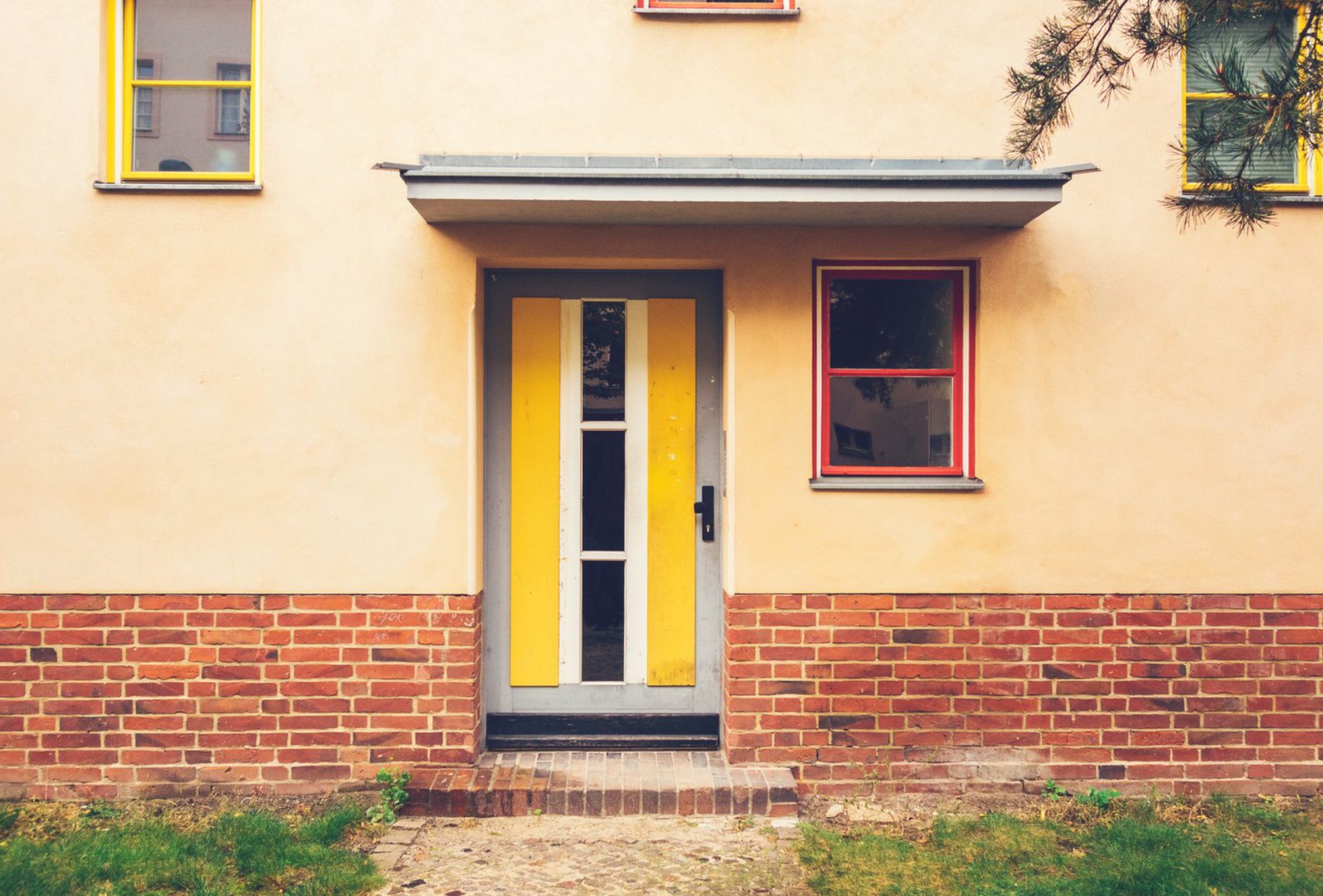

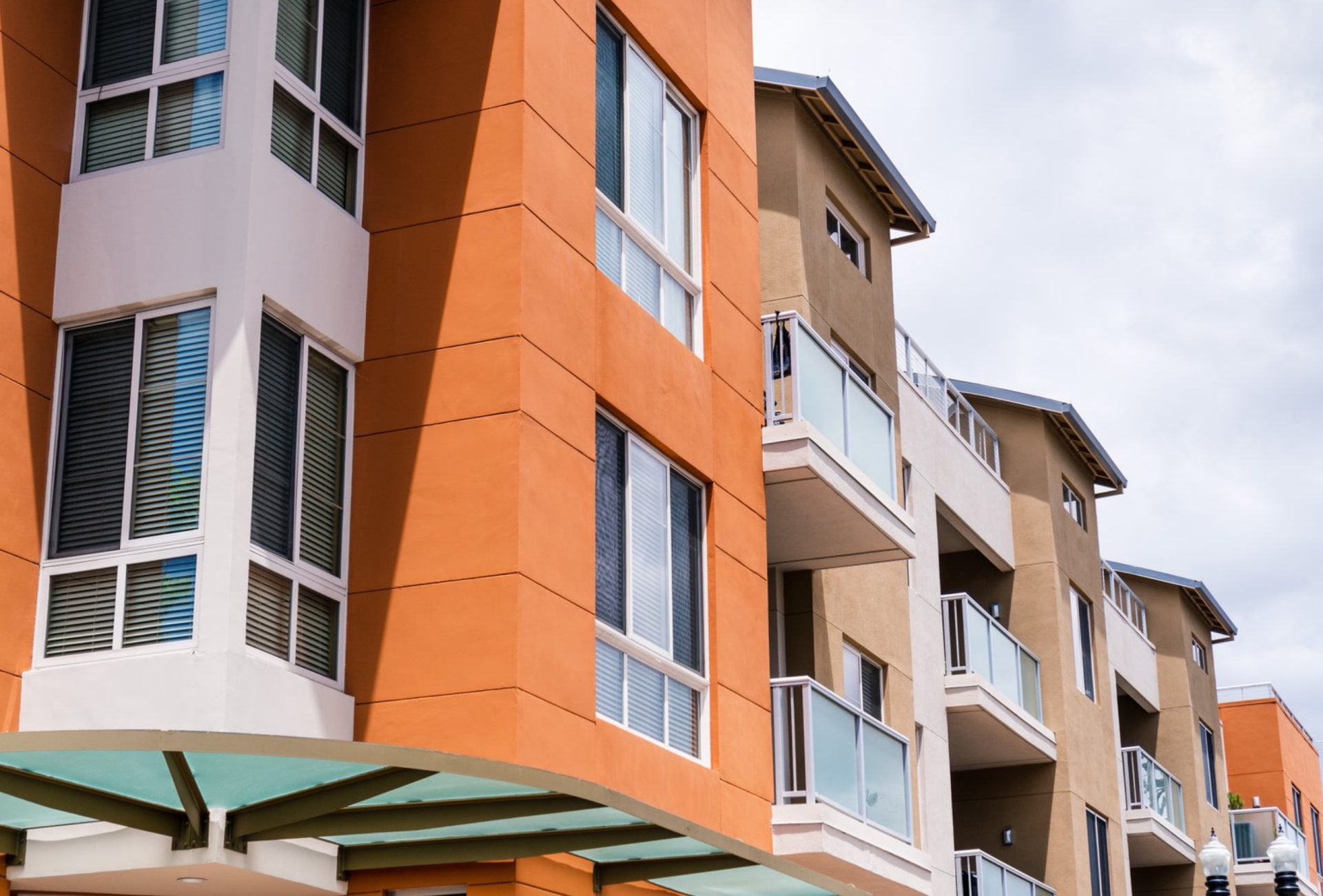



Painting exterior trim is one of the most impactful ways to enhance your home’s curb appeal. Well-painted trim highlights windows, doors, and architectural details, giving your home a polished, professional appearance. However, mistakes during painting can lead to peeling, cracking, uneven coverage, and a short-lived finish.
For Chicago homeowners, where extreme weather can challenge paint durability, avoiding these common mistakes is essential. This guide covers the top errors and how to prevent them for a flawless, long-lasting exterior trim finish.
Mistake 1: Skipping Proper Preparation
- Problem: Dirt, old peeling paint, and moisture prevent new paint from adhering correctly.
- Solution:
- Clean all surfaces thoroughly with a brush, mild detergent, or exterior cleaner.
- Remove any loose paint or debris with a scraper or sandpaper.
- Repair damaged wood with exterior-grade filler or replace rotten sections.
Pro Tip: Proper prep takes time, but it ensures the paint adheres well and lasts for years.
Mistake 2: Using Interior Paint or Low-Quality Exterior Paint
- Problem: Interior paints are not formulated for weather exposure and will fail quickly. Low-quality paints fade, peel, or crack.
- Solution:
- Always choose high-quality, exterior-grade paint suitable for your trim material (wood, PVC, or fiber cement).
- Acrylic latex paint is flexible, durable, and ideal for most exterior trim.
Chicagoland Paint Pro Tip: For heavily weathered trim, consider an oil-based exterior paint for extra hardness and smooth finish.
Mistake 3: Ignoring Primer
- Problem: Painting directly over bare wood, repairs, or old paint without primer can lead to peeling, stains bleeding through, or uneven coverage.
- Solution:
- Apply a high-quality exterior primer to bare wood, repaired areas, or patched trim.
- Allow primer to dry fully before applying paint.
Pro Tip: Primer also improves paint adhesion, reduces the number of paint coats needed, and prevents moisture damage.
Mistake 4: Painting in Extreme Weather
- Problem: High heat, freezing temperatures, or humidity can cause paint to dry too fast, crack, or peel.
- Solution:
- Paint in moderate temperatures (typically 50–85°F).
- Avoid painting during rain, snow, or very humid days.
- Ensure the surface is completely dry before starting.
Pro Tip: In Chicago, late spring and early fall are usually the best times for exterior trim painting.
Mistake 5: Applying Thick Coats
- Problem: Thick paint layers drip, run, or take longer to dry, resulting in uneven texture.
- Solution:
- Apply 2–3 thin, even coats instead of one thick coat.
- Use angled brushes for corners and edges and rollers for flat areas.
- Maintain a wet edge to prevent lap marks.
Mistake 6: Neglecting Detail Work
- Problem: Paint spills on siding, windows, or doors reduce the professional appearance. Uneven coverage on edges can make trim look sloppy.
- Solution:
- Mask surrounding surfaces with painter’s tape.
- Use angled brushes for precise edges and corners.
- Inspect trim from different angles for missed spots before drying.
Mistake 7: Ignoring Maintenance After Painting
- Problem: Even the best paint will degrade without care. Dirt, pollen, moisture, and sun exposure can reduce longevity.
- Solution:
- Clean trim annually with mild detergent and a soft brush.
- Touch up chips or worn areas promptly.
- Inspect paint every few years and reapply as needed to maintain protection and appearance.
Bonus Tips for a Professional Finish
- Test colors on a small area before committing to the entire trim.
- Paint from top to bottom to catch drips and ensure even coverage.
- Work methodically in small sections to maintain a wet edge.
- Invest in high-quality brushes and tools—they make a noticeable difference.
- Use a ladder safely and plan your work in sections for consistency.
Final Thoughts
Avoiding common exterior trim painting mistakes is key to achieving a long-lasting, professional finish. Proper preparation, high-quality materials, correct application techniques, and ongoing maintenance all contribute to a polished look that enhances your home’s curb appeal.
For Chicago homeowners, taking these precautions ensures your exterior trim withstands harsh seasonal changes while maintaining a beautiful, clean, and well-defined appearance. With careful planning and attention to detail, your trim will elevate your home’s overall look and provide years of protection.