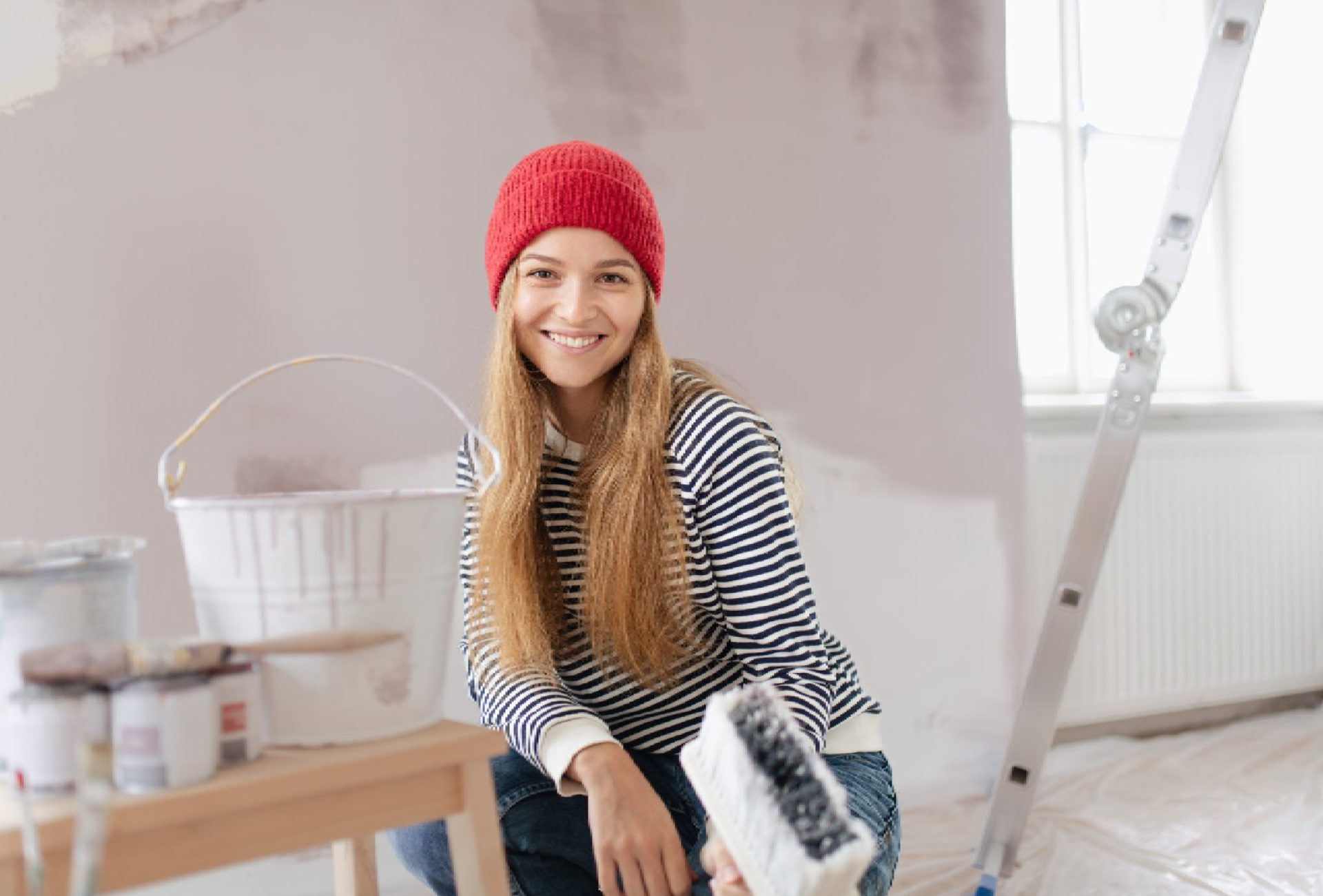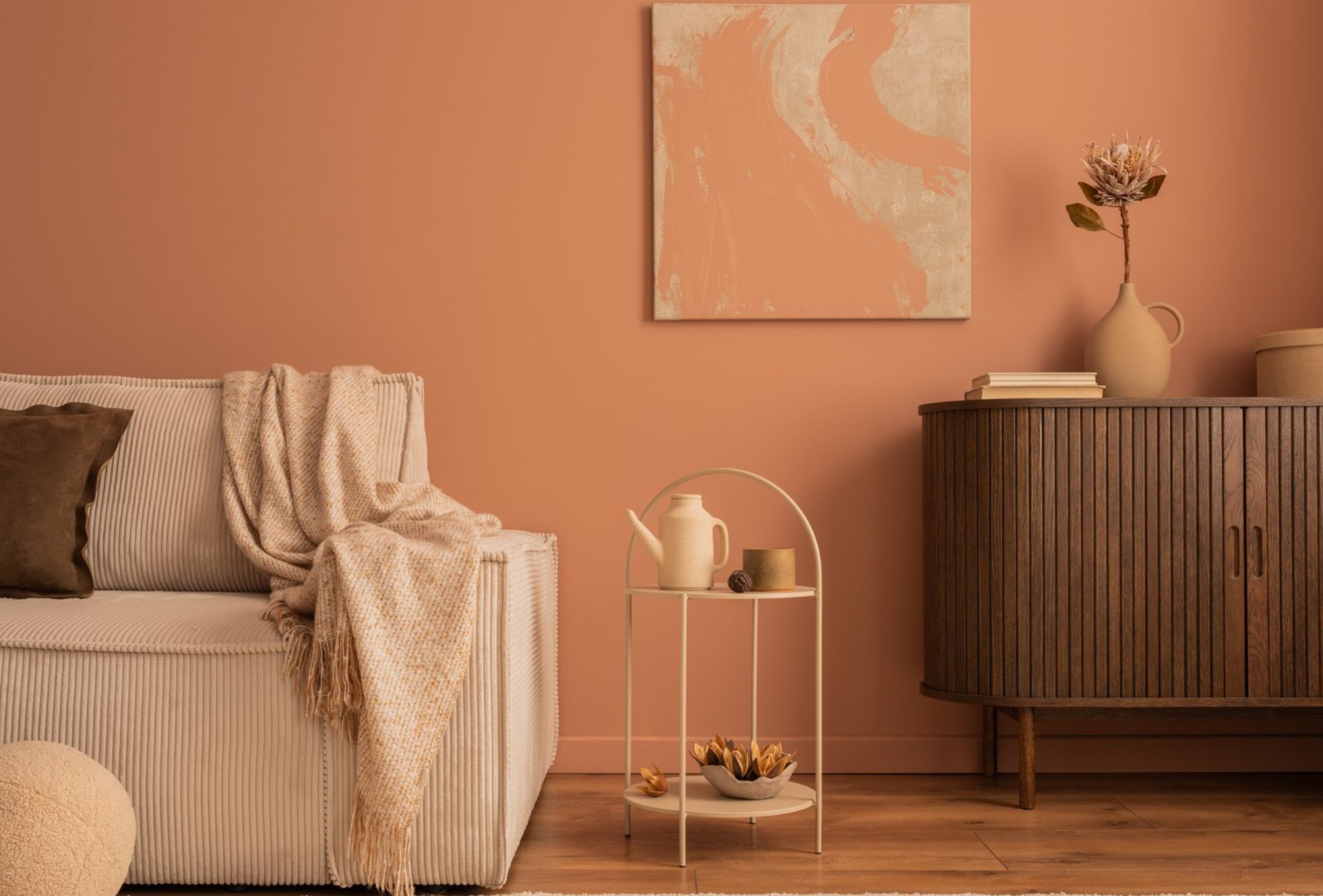

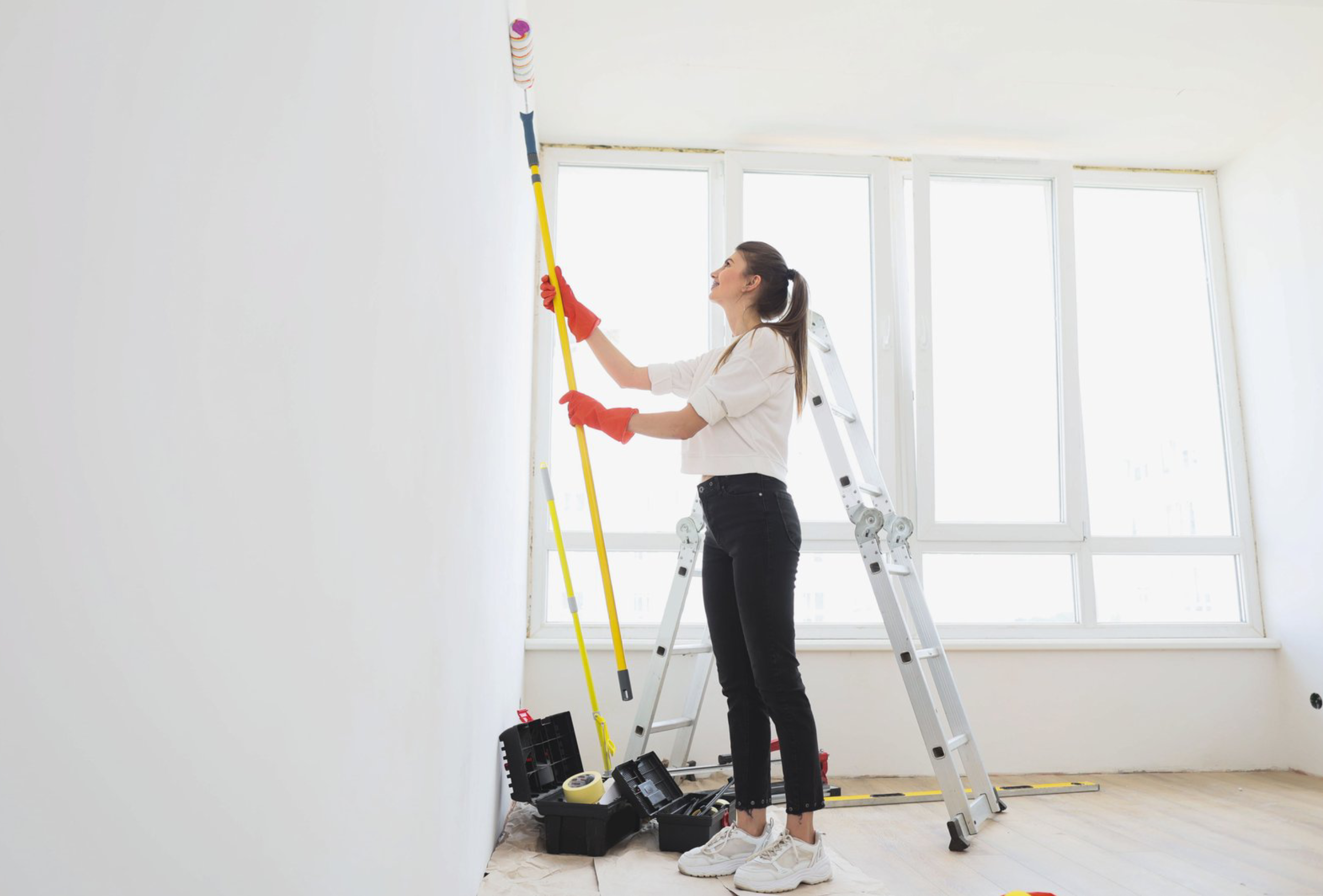
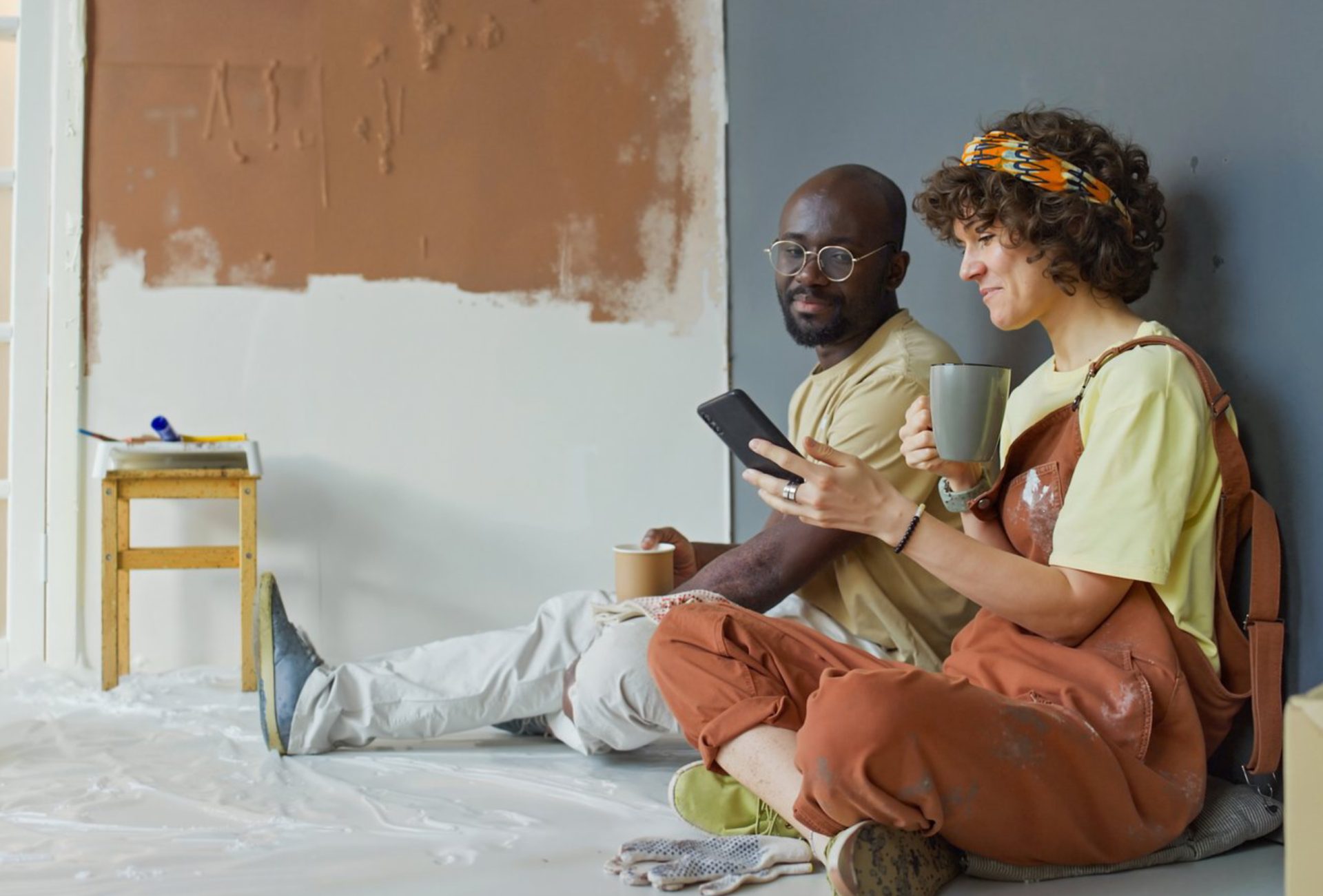

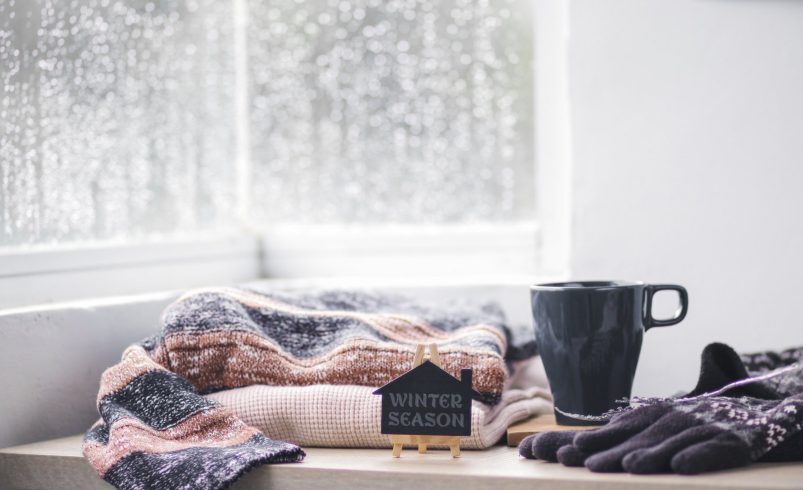

Painting indoors during winter in Chicagoland comes with unique challenges, and one of the most common is humidity issues. High indoor moisture can cause paint to dry unevenly, peel, bubble, or develop mildew. On the other hand, extremely dry winter air can make paint dry too quickly, resulting in cracking or uneven finish. Understanding how to control and manage humidity is crucial for achieving a smooth, long-lasting paint job.
This guide explores practical strategies to avoid humidity problems while painting indoors in winter, covering preparation, equipment, and professional techniques.
Why Humidity Matters in Winter Painting
- Excess Moisture: Cooking, showers, laundry, and cold weather condensation can increase indoor humidity, slowing paint drying.
- Too Dry Air: Central heating can reduce humidity levels drastically, causing paint to dry too fast, leaving visible brush strokes or cracking.
- Curing Process: Paint needs proper moisture balance to cure fully, which affects adhesion, durability, and color retention.
Failing to control humidity can compromise the quality and longevity of your winter interior painting project.
Step 1: Measure Indoor Humidity
- Use a hygrometer to monitor indoor humidity.
- Optimal levels for interior painting are typically 30–50%.
- Check multiple rooms, as humidity can vary depending on insulation, heating, and ventilation.
Step 2: Control Excess Moisture
1. Use Dehumidifiers
- Dehumidifiers remove excess moisture from the air.
- Place units in rooms where painting will occur, especially bathrooms, kitchens, or basements.
- Empty water collection tanks regularly to maintain efficiency.
2. Ventilation
- Open windows briefly if temperatures allow and the weather is dry.
- Use exhaust fans in bathrooms and kitchens to reduce steam and moisture buildup.
- Ensure cross-ventilation if multiple rooms are being painted simultaneously.
3. Limit Indoor Activities
- Avoid cooking, steaming, or drying laundry indoors while painting.
- If unavoidable, schedule painting at different times to reduce moisture interference.
Step 3: Address Too-Dry Conditions
1. Humidifiers
- Low humidity can cause paint to dry unevenly.
- Portable humidifiers help maintain a balanced moisture level for optimal curing.
- Keep humidity between 30–50% to prevent cracking or visible brush strokes.
2. Temperature Balance
- Avoid overusing space heaters directly near painted surfaces.
- Sudden heating can accelerate drying and cause bubbles or streaking.
- Maintain a consistent indoor temperature around 65–75°F for stable curing.
Step 4: Prepare Surfaces Properly
- Clean Walls: Dust, grease, and residue trap moisture and affect adhesion.
- Repair Cracks or Holes: Fill imperfections with spackle or joint compound and sand smooth.
- Prime: Apply primer to bare, patched, or porous surfaces to improve paint adhesion and reduce moisture absorption.
Proper surface prep ensures paint bonds correctly even when humidity fluctuates.
Step 5: Choose Paint Suitable for Winter
- Water-Based (Latex) Paint: Dries faster than oil-based paint and handles moderate humidity well.
- Low-VOC Paint: Safer for indoor winter use and less sensitive to moisture variations.
- Primer: High-quality primer seals walls and reduces the impact of humidity changes.
- Finish Selection: Matte or eggshell hides minor surface imperfections, satin or semi-gloss offers durability in high-traffic or moisture-prone areas.
Tip: Avoid oil-based paints in rooms with high humidity during winter, as they take longer to cure.
Step 6: Apply Proper Painting Techniques
- Thin Coats: Prevents uneven drying caused by humidity fluctuations.
- Wet Edge Maintenance: Work efficiently to avoid lap marks.
- Allow Extra Drying Time: In winter, paint may take longer to dry even indoors.
- Monitor Conditions: Regularly check hygrometer readings and adjust dehumidifiers or humidifiers as needed.
Step 7: Professional Solutions
Winter interior painting often benefits from professional services, especially when humidity is a concern:
- Experience: Professionals know how to balance temperature and humidity for ideal curing.
- Equipment: Use of industrial dehumidifiers and climate-controlled painting techniques.
- Surface Preparation: Experts handle repairs, priming, and coating with precision.
- Efficiency: Faster project completion while maintaining a flawless finish.
Chicagoland Paint Pro ensures your winter interior painting project is executed in optimal conditions, avoiding common humidity-related problems.
Winter Painting Maintenance Tips
- Avoid covering freshly painted walls with heavy curtains or furniture until fully cured.
- Keep indoor humidity stable during the first few weeks after painting.
- Regularly inspect painted surfaces for bubbling or peeling in moisture-prone areas.
- Touch up affected areas promptly if minor issues appear.
Final Checklist to Avoid Humidity Issues
- Measure indoor humidity with a hygrometer
- Maintain 30–50% humidity levels using dehumidifiers or humidifiers
- Ensure proper ventilation without letting cold drafts affect drying
- Control indoor temperature between 65–75°F
- Prepare walls by cleaning, repairing, and priming surfaces
- Use water-based, low-VOC paints for winter interior conditions
- Apply thin coats and allow sufficient drying between layers
- Consider professional painters for optimal results
Conclusion
Humidity can make or break your winter interior painting project. By controlling indoor moisture levels, maintaining proper temperature, selecting the right paint, and using careful application techniques, homeowners can achieve a smooth, durable, and professional finish.
Contact Chicagoland Paint Pro to ensure your winter painting project is completed in dry, warm conditions, providing a beautiful, long-lasting transformation for your home.