



Summer in Chicagoland brings sunshine, warmth, and longer days — perfect conditions for outdoor projects. However, high temperatures and direct sunlight can create challenges when painting your home’s exterior. One of the most common problems homeowners face is paint curing issues, which can lead to bubbling, cracking, uneven finish, or premature peeling. Understanding the curing process and taking proactive steps can help you achieve a smooth, long-lasting exterior paint job. This guide provides practical tips for preventing curing problems during summer painting projects.
What Is Paint Curing?
Curing is the chemical process by which paint dries and hardens to form a durable, protective coating. While drying may appear complete on the surface, the paint continues to cure for days or even weeks. Proper curing is essential for:
- Durability: Prevents cracking, blistering, or peeling
- Color Retention: Maintains the intended shade over time
- Protection: Shields wood, siding, and trim from moisture, UV rays, and temperature fluctuations
In summer, rapid drying due to heat can disrupt proper curing, making it critical to understand and control the conditions.
Common Paint Curing Issues in Hot Weather
- Blistering: Paint bubbles form when surface heat causes trapped moisture or air to expand beneath the paint layer.
- Lap Marks: Occur when paint dries too quickly on one section before the adjacent section can blend properly.
- Cracking and Peeling: Rapid evaporation of water or solvents from paint can prevent proper bonding to the surface.
- Uneven Color or Streaks: Sunlight can lighten paint that dries too fast, leading to color inconsistencies.
Knowing these risks allows homeowners and painters to prevent problems before they start.
Best Practices to Ensure Proper Paint Curing
1. Choose the Right Paint
- Acrylic Latex Paint: Ideal for exterior surfaces due to flexibility and resistance to cracking.
- UV-Resistant Paint: Protects against color fading from intense sunlight.
- Light-Colored Paints: Reflect heat, reducing the risk of rapid drying and curing problems.
- Low-VOC or Water-Based Paints: Cure more evenly in heat compared to oil-based options.
2. Select the Optimal Painting Time
Timing is critical in summer:
- Early Morning: Paint surfaces before they heat up to maintain even drying.
- Late Afternoon / Early Evening: Avoid high midday heat and direct sunlight.
- Avoid Peak Sunlight Hours (11 a.m. – 3 p.m.): Surface temperatures can soar, disrupting curing.
Checking both air and surface temperatures is essential, especially for siding, fences, or decks that absorb heat faster than ambient air.
3. Prepare Surfaces Properly
Proper surface preparation ensures paint adheres well and cures evenly:
- Clean: Remove dust, pollen, mildew, and debris.
- Repair: Fix cracks, holes, and rotting wood before painting.
- Sand Smooth: Remove old flaking paint or rough patches to create a uniform surface.
- Prime Where Needed: Bare wood, patched areas, or dark colors require primer to promote proper curing.
4. Apply Paint Correctly
- Thin Coats: Avoid applying thick layers that trap solvents or moisture, leading to blistering.
- Maintain Wet Edges: Work in sections and overlap strokes before the paint dries.
- Allow Adequate Drying Between Coats: Follow manufacturer recommendations to prevent peeling or uneven texture.
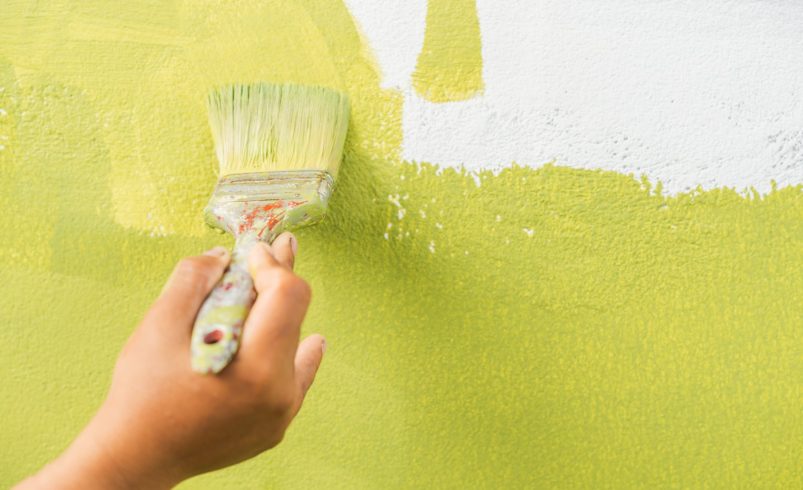
- Use Proper Tools: High-quality brushes, rollers, or sprayers ensure smooth application and reduce curing issues.
5. Manage Environmental Factors
- Humidity: Even in summer, high humidity can slow curing. Choose dry days for painting.
- Wind: Strong winds can accelerate drying on the surface while leaving underlying layers soft, increasing the risk of blistering.
- Shade: Whenever possible, paint shaded areas first and allow painted surfaces to dry without direct sunlight exposure.
6. Monitor Surface Temperature
- Surface temperatures often exceed air temperature under direct sunlight.
- Use a thermometer or infrared surface reader to ensure painting is done within the recommended range (typically 50°F–85°F for exterior latex paints).
- Avoid painting surfaces that are hotter than 90°F to prevent adhesion issues.
7. Consider Professional Help
Summer exterior painting requires experience to manage heat-related challenges. Professional painters bring:
- Knowledge of temperature-sensitive application techniques
- Proper equipment like scaffolding, sprayers, and high-quality brushes
- Expertise in selecting the right paint type and coating thickness
- Efficient workflow to complete large projects without compromising quality
Hiring experts ensures paint cures properly, resulting in a durable, flawless finish.
Tips for Long-Lasting Summer Exterior Paint
- Inspect Surfaces Regularly: Catch minor imperfections early before they develop into major issues.
- Protect Fresh Paint: Avoid watering plants or sprinklers near freshly painted surfaces.
- Reapply Sealants or Topcoats: Some paints benefit from additional protective coatings for UV and moisture resistance.
- Maintain Painted Surfaces: Clean periodically to remove dirt and mildew that can compromise paint longevity.
Final Checklist to Avoid Summer Paint Curing Issues
- Select the right exterior paint for hot weather
- Schedule painting during cooler parts of the day
- Prepare surfaces thoroughly (clean, sand, repair, prime)
- Apply thin, even coats and maintain wet edges
- Monitor surface and air temperature
- Avoid painting on extremely hot, humid, or windy days
- Consider hiring professional painters for large or complex projects
- Protect freshly painted surfaces until fully cured
Conclusion
Painting your home’s exterior in the summer offers plenty of advantages — longer daylight hours, dry weather, and vibrant surroundings — but it also introduces challenges with paint curing. Proper preparation, careful timing, and correct application techniques are essential for achieving a smooth, durable, and long-lasting finish. For Chicagoland homeowners, managing heat, sunlight, and humidity ensures that your summer painting project enhances your home’s curb appeal without complications.
When in doubt, professional expertise can make all the difference. Contact Chicagoland Paint Pro today to ensure your summer exterior painting is completed flawlessly, cured properly, and built to withstand the Chicago sun.