





Choosing the right accent wall color can make or break a room’s design. The perfect color not only complements your existing décor but also sets the mood, enhances architectural features, and creates a visually striking focal point. In 2026, accent wall colors range from bold and dramatic to soft and calming, offering endless possibilities.
This guide helps you select the perfect accent wall color that elevates your space and matches your style.
Why Color Choice Matters
- Creates Mood: Warm tones create coziness, cool tones add calmness, and bold colors make a statement.
- Enhances Room Features: A well-chosen color highlights fireplaces, beds, or architectural details.
- Defines Space: Accent walls visually separate areas in open-concept rooms.
- Adds Personality: Reflects personal style, whether modern, traditional, or eclectic.
Choosing the wrong color can overwhelm the room or clash with furnishings, so careful selection is essential.
Steps to Choose the Perfect Accent Wall Color
1. Evaluate the Room’s Purpose
- Living Room: Bold or warm tones work well to create an inviting, social space.
- Bedroom: Soft, muted shades promote relaxation and serenity.
- Home Office: Energetic colors like blues or greens stimulate focus.
- Dining Room: Deep, rich colors add elegance and sophistication.
Pro Tip: Match the accent wall color to the room’s mood and function.
2. Consider Lighting
- Natural Light: Bright, sunny rooms can handle darker or vibrant accent colors.
- Artificial Light: Dimly lit spaces may benefit from lighter or reflective shades.
- Directional Light: Observe how sunlight moves across walls to prevent color shifts.
Chicagoland Paint Pro Tip: Always test swatches in different lighting throughout the day before committing.
3. Coordinate With Existing Décor
- Match accent wall colors with furniture, rugs, and art.
- Pull shades from your décor for a cohesive look or choose a contrasting color for a bold statement.
- Neutral walls allow more flexibility for bolder accent colors.
4. Balance Bold vs. Subtle
- Bold Colors: Navy, emerald green, deep charcoal, or burgundy create drama and sophistication.
- Subtle Colors: Soft pastels, light grays, or warm taupes add elegance without overpowering the room.
Tip: In small spaces, subtle colors prevent the room from feeling cramped. Bold colors work best on a prominent wall in larger rooms.
5. Use Color Psychology
- Blue: Calming, ideal for bedrooms and offices.
- Green: Refreshing, works in living rooms and kitchens.
- Red: Energetic and dramatic, perfect for dining areas.
- Yellow: Cheerful and bright, great for kitchens or playrooms.
- Gray: Sophisticated and versatile, pairs with nearly any décor.
6. Test Paint Samples
- Paint small sections on the wall and observe at different times of the day.
- Check how colors look with flooring, furniture, and lighting.
- Compare finishes: Matte, eggshell, satin, or semi-gloss can dramatically change the final appearance.
7. Consider Accent Wall Size
- Large walls can handle bold colors.
- Small walls may benefit from subtle or lighter tones to prevent feeling closed in.
- Use contrasting trim or molding to enhance the effect.
Trending Accent Wall Colors for 2026
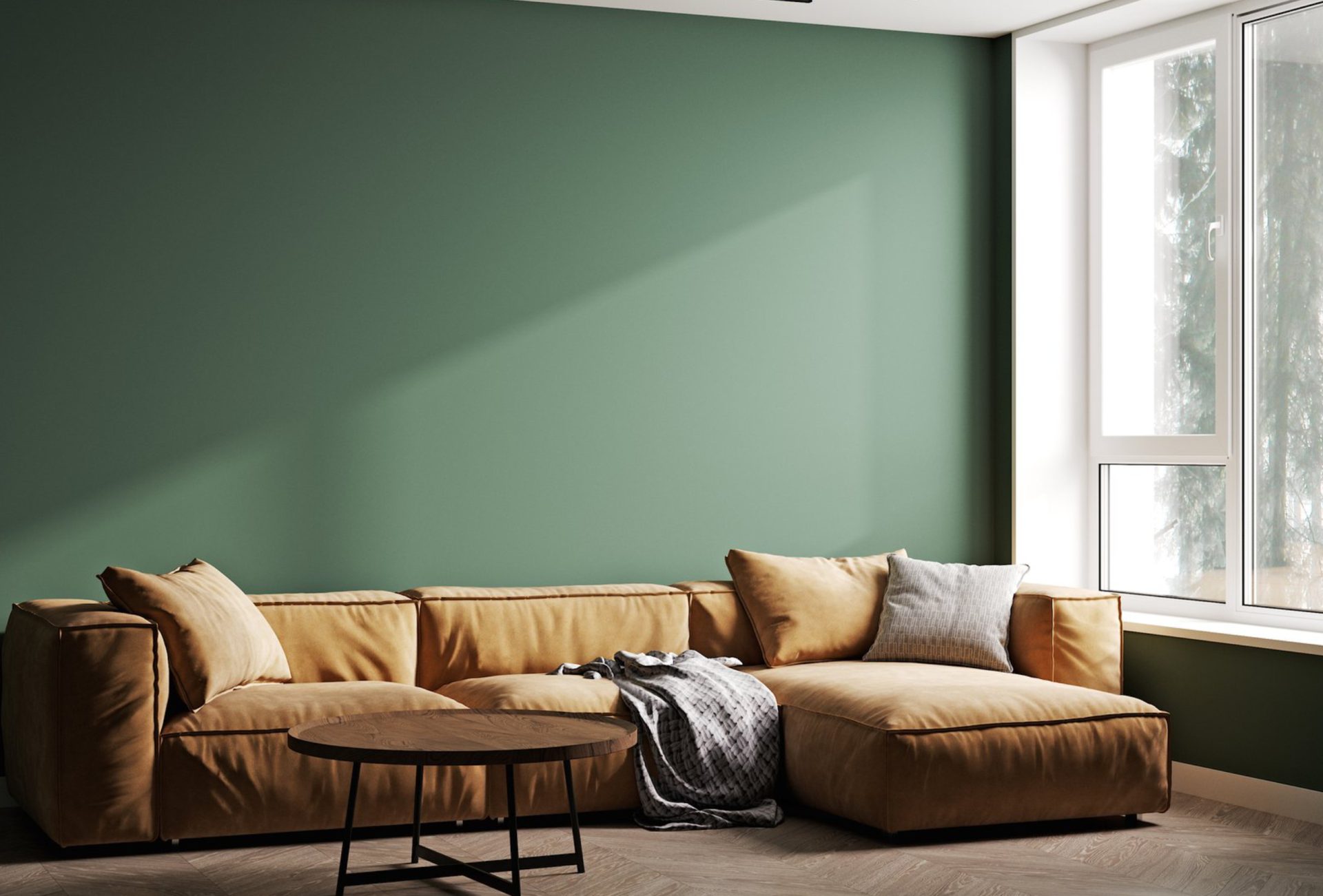
- Deep Jewel Tones: Emerald, sapphire, and amethyst for drama and luxury.
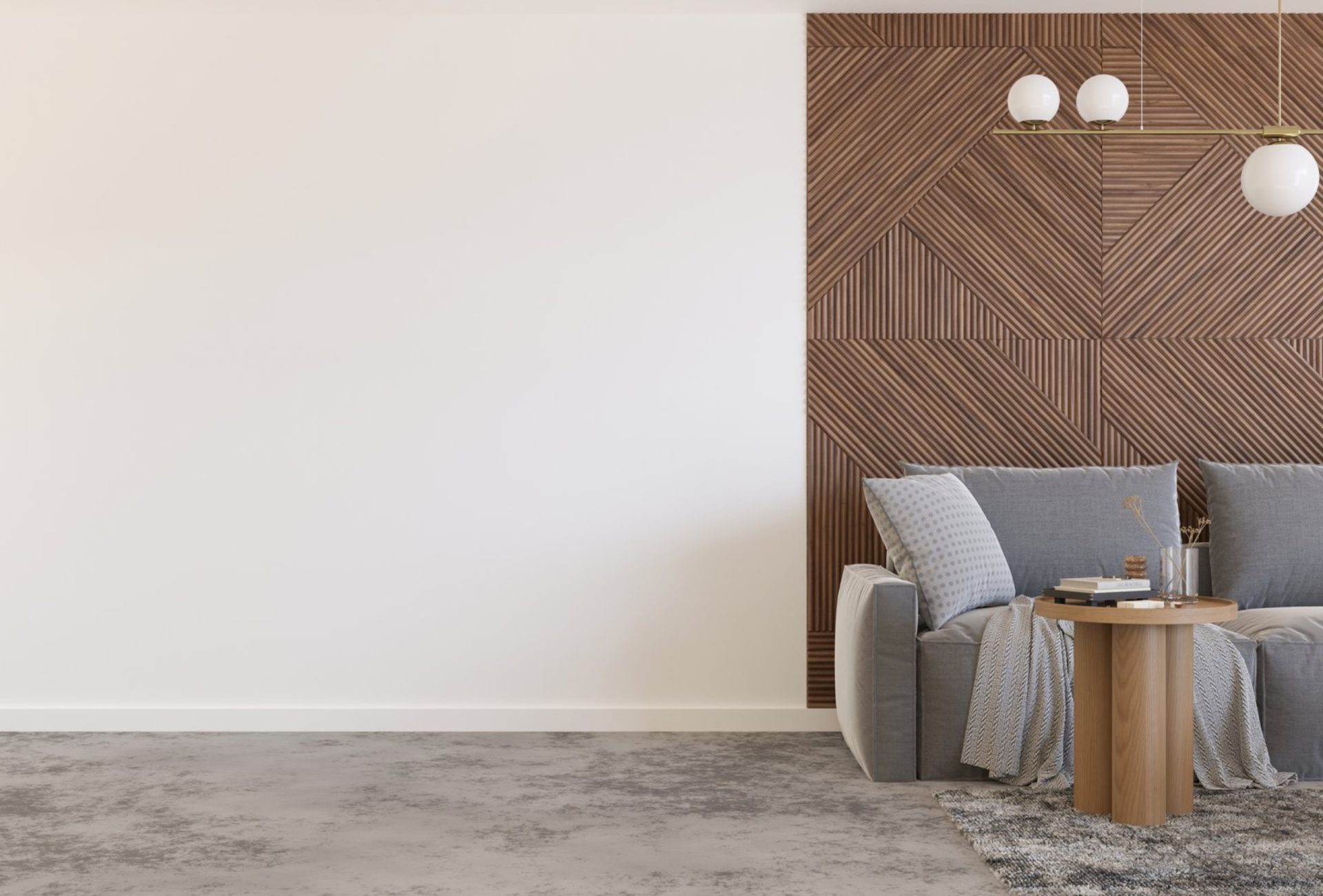
- Soft Neutrals: Beige, cream, and muted taupe for understated elegance.
- Warm Earth Tones: Terracotta, ochre, and clay to create cozy spaces.
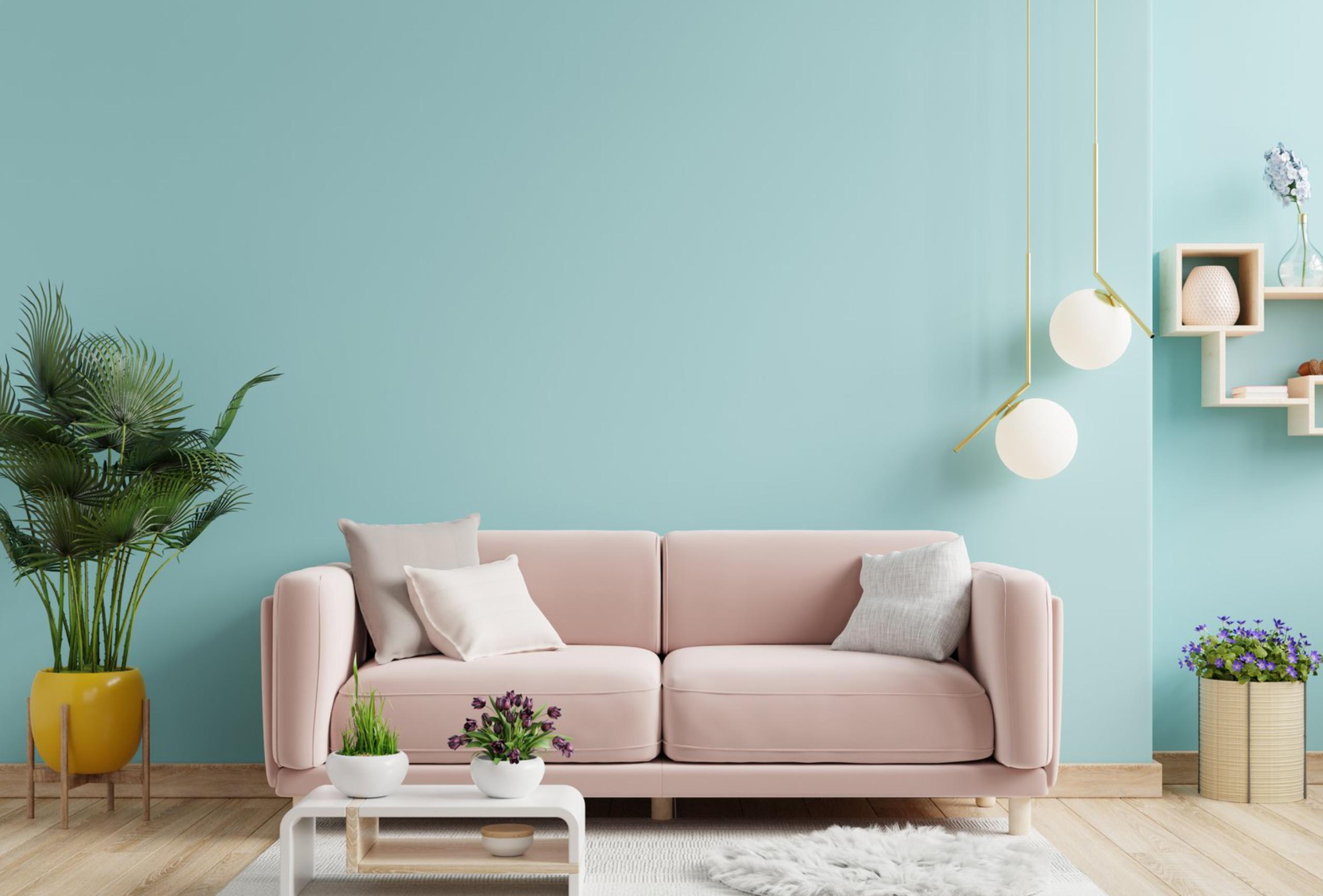
- Pastel Hues: Powder blue, blush pink, or soft lavender for calm, modern interiors.
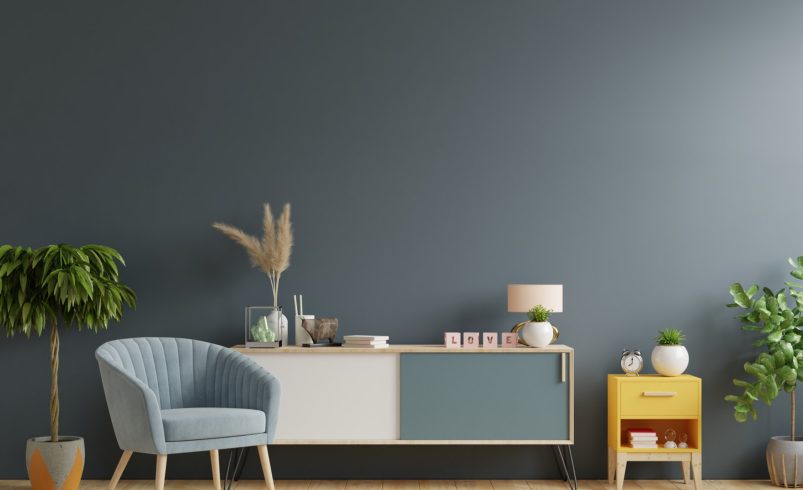
- Charcoal & Black Accents: Bold, modern, and perfect with bright surrounding walls.
Common Mistakes to Avoid
- Choosing colors too similar to surrounding walls—accent walls need contrast.
- Ignoring lighting, which can drastically alter how the color appears.
- Skipping test swatches—paint can look different on large surfaces.
- Using overly bright or dark colors in small rooms without balance.
- Forgetting to consider furniture, flooring, and décor when selecting the color.
Professional vs DIY Accent Wall Color Selection
While DIY is possible, professionals offer:
- Expertise in trending colors and color psychology
- Guidance on balancing bold and subtle tones
- Proper preparation, cutting-in, and flawless painting
- Advice on finishes, textures, and visual impact
Chicagoland Paint Pro Tip: Even a brief consultation can ensure your accent wall color complements the room perfectly and avoids costly mistakes.
Final Thoughts
Choosing the perfect accent wall color involves considering room function, lighting, décor, balance, and current trends. From bold jewel tones to soft neutrals and pastels, the right accent wall can transform any space, adding personality, style, and a striking focal point.
With careful planning, testing, and professional guidance, your accent wall will elevate your room’s design, impress guests, and reflect your unique style.