





Selecting the right paint sprayer is crucial for achieving professional-quality results while saving time and effort. Whether you’re a DIY enthusiast painting furniture or a professional tackling large exterior walls, understanding sprayer types, features, and applications ensures your project is smooth, efficient, and long-lasting. This guide will help you make an informed choice.
1. Understand the Types of Paint Sprayers
Paint sprayers are generally divided into three main types, each suited for specific tasks:
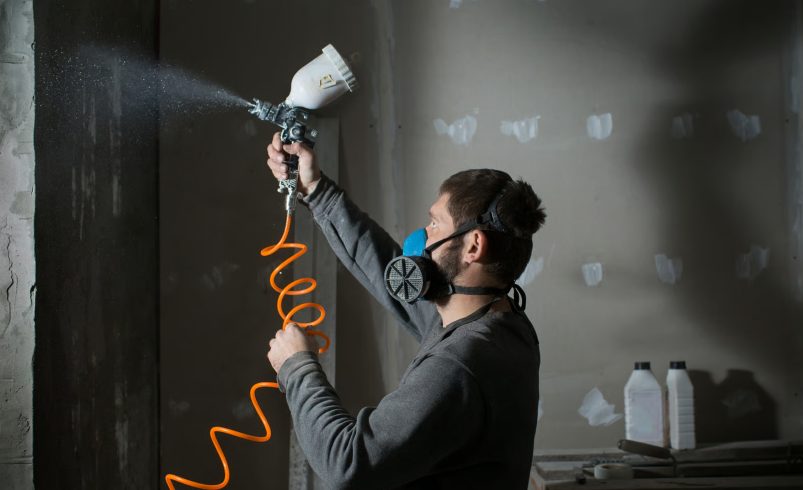
1. HVLP (High Volume Low Pressure) Sprayers
- Ideal for detailed work such as furniture, cabinets, and trim.
- Uses low pressure to minimize overspray, giving a smooth finish.
- Best for DIYers and professionals needing precision.
2. Airless Sprayers
- Delivers paint at high pressure, allowing fast coverage on large surfaces.
- Perfect for exterior walls, fences, and large interior spaces.
- Produces a thick, even coat quickly, though it requires careful masking to avoid overspray.
3. Compressed Air Sprayers
- Traditional sprayers that rely on an air compressor.
- Suitable for furniture, cabinets, and smaller projects.
- Provides a smooth finish but requires more setup and cleanup.
Pro Tip: Choose HVLP for small, precise projects and airless for large-scale painting jobs.
2. Consider Your Project Size
The size of your project directly impacts which sprayer is most efficient:
- Small Projects: Furniture, cabinets, small walls → HVLP or compressed air sprayers.
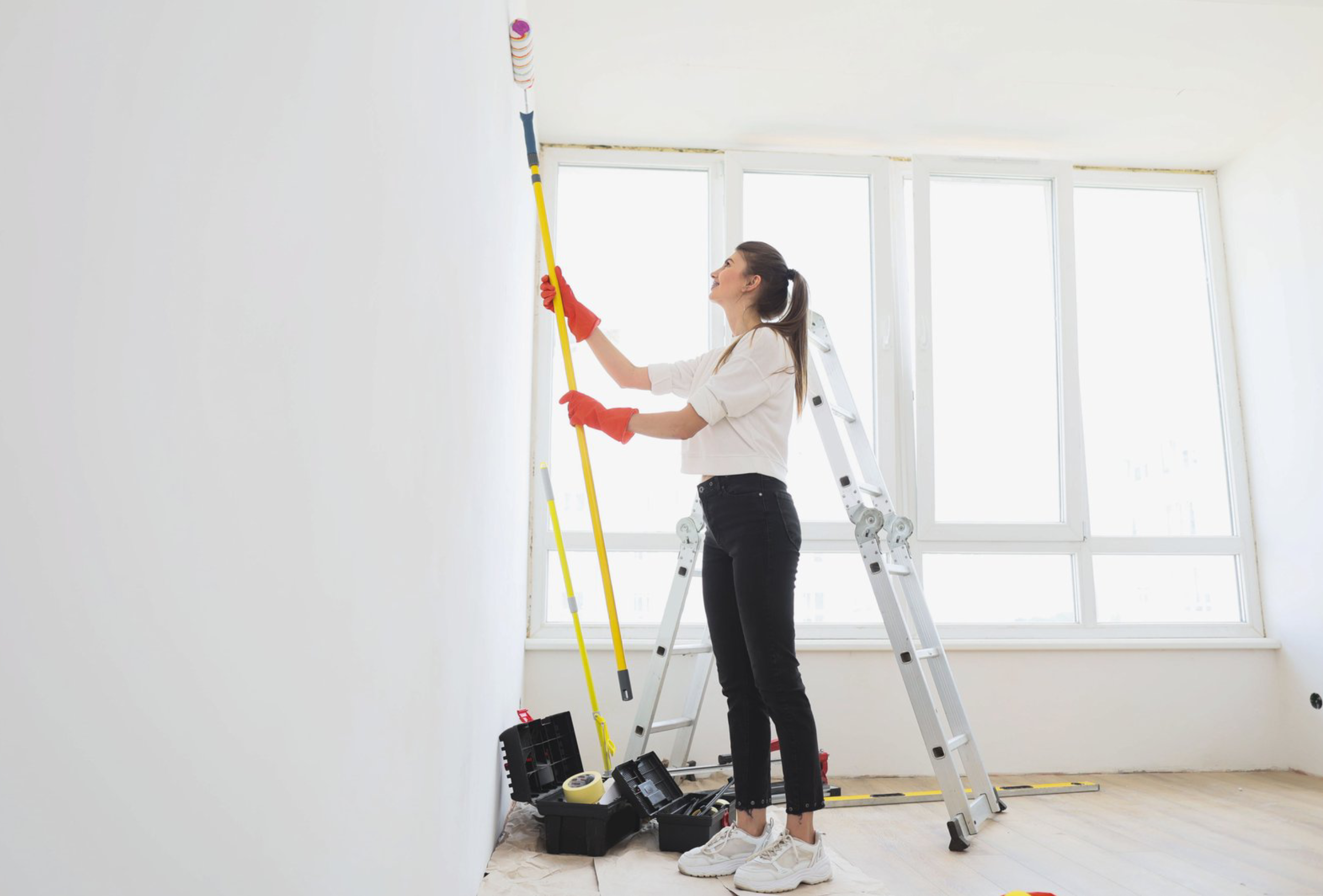
- Medium Projects: Interior rooms, decks → HVLP or small airless sprayers.
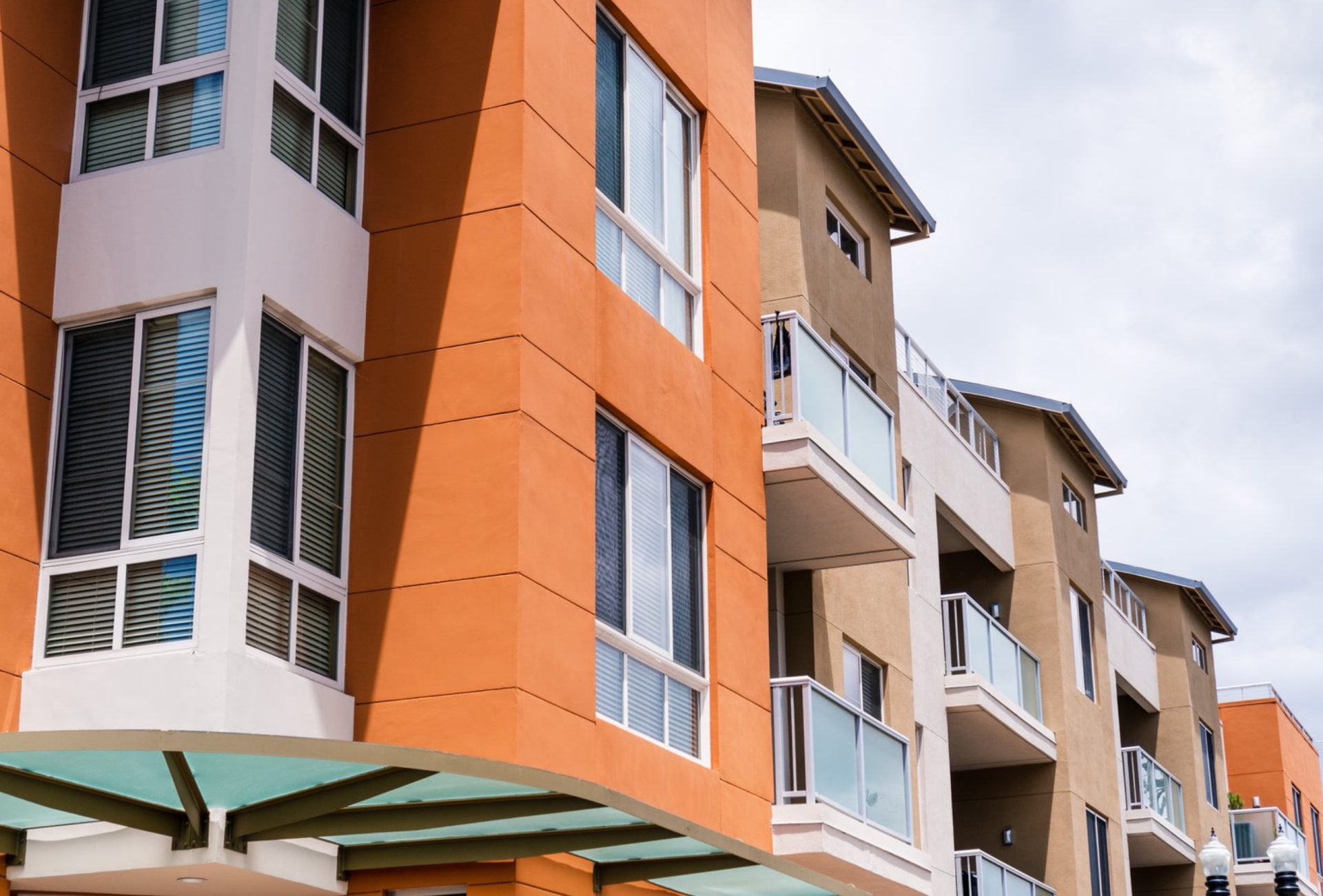
- Large Projects: Exterior walls, commercial spaces → Airless sprayers for fast coverage.
Pro Tip: Using an oversized sprayer for a small project may cause wasted paint and overspray, while an undersized sprayer will slow you down.
3. Evaluate Paint Compatibility
Not all sprayers work with every type of paint. Consider:
- Latex Paints: Require high-pressure or HVLP sprayers capable of handling thicker paints.
- Oil-Based Paints: Compatible with most sprayers but may need cleaning solvents.
- Specialty Coatings: Stains, varnishes, and primers may require HVLP sprayers for precision.
Pro Tip: Check manufacturer guidelines for paint compatibility before purchasing to avoid clogging or poor coverage.
4. Look at Key Features
When choosing a sprayer, prioritize these features:
- Adjustable Pressure & Spray Pattern: Enables smooth, even finishes on different surfaces.
- Flow Rate: Higher flow rates cover large areas quickly.
- Portability: Lightweight sprayers are easier for DIYers; professionals may prioritize tank size.
- Ease of Cleaning: Removable components simplify maintenance and prolong sprayer life.
- Durability: Professional-grade materials withstand frequent use without performance loss.
Pro Tip: A sprayer with adjustable pressure and spray pattern ensures versatility across multiple projects.
5. Consider Your Skill Level
Your experience with paint sprayers matters:
- Beginners: HVLP sprayers are easier to control and clean, reducing mistakes.
- Intermediate: Airless sprayers offer speed for medium-sized projects once technique is mastered.
- Professional: High-capacity airless or HVLP sprayers provide efficiency for large-scale or detailed projects.
Pro Tip: Practice on scrap material before starting a major project to develop control and technique.
6. Budget and Long-Term Value
Paint sprayers range from budget-friendly models to professional-grade machines:
- Entry-Level: Affordable, perfect for occasional DIY projects, may require more coats.
- Mid-Range: Balanced performance and durability, suitable for regular DIYers or small contractors.
- Professional: High efficiency, precise control, and long-lasting components; best for large-scale or commercial work.
Pro Tip: Investing in a quality sprayer reduces paint waste, touch-ups, and long-term replacement costs.
7. Maintenance Considerations
Proper maintenance ensures longevity and consistent performance:
- Clean Immediately: Prevents paint from drying in the nozzle and pump.
- Check Seals and Hoses: Replace damaged parts to maintain pressure and spray quality.
- Lubricate Moving Parts: Especially important for professional airless sprayers.
- Store Properly: Keep in a dry, dust-free area to avoid corrosion or clogs.
Pro Tip: Regular maintenance can extend a sprayer’s lifespan by years, saving both money and effort.
8. Final Recommendations
- For Small DIY Projects: HVLP sprayers like Wagner Control Spray Max or HomeRight Finish Max.
- For Medium Projects: Graco Magnum X5 or X7 provide speed and versatility.
- For Large or Professional Jobs: Titan ControlMax 1700 Pro or Graco Ultra Max II 490 PC deliver fast, even coverage and durability.
Selecting the right sprayer depends on project size, paint type, skill level, and desired finish. Matching these factors ensures efficiency, minimizes mistakes, and provides a professional-quality result every time.