






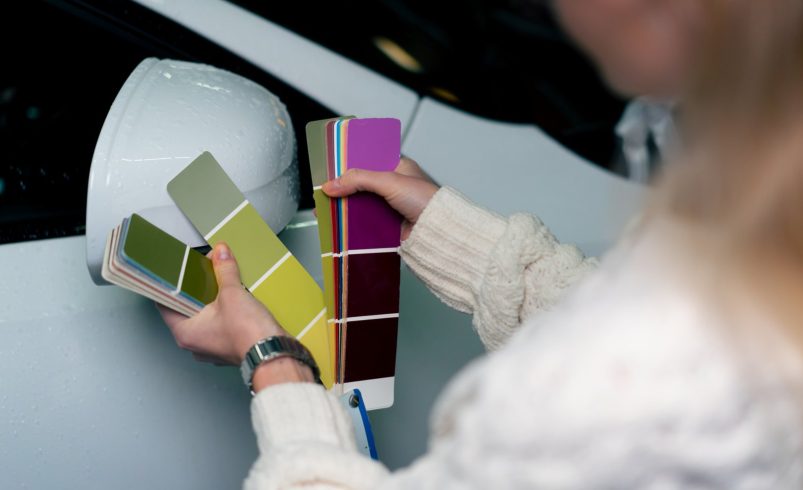

Maintaining a home’s painted surfaces requires more than a single coat; it requires seasonal inspection and timely touch-ups. In a city like Chicago, where summers are hot and humid, and winters are harsh and icy, regular checks are essential to prevent peeling, cracking, fading, and moisture damage. Proper inspection and touch-up routines save homeowners significant time, effort, and money while keeping homes looking vibrant and protected year-round.
This guide walks you through step-by-step instructions for inspecting and maintaining painted surfaces every season.
Why Seasonal Inspection is Important
Paint acts as a protective barrier for your home’s exterior and interior surfaces. Seasonal changes expose paint to:
- Sunlight: UV rays can fade or chalk the color.
- Moisture: Rain, snow, and humidity can cause peeling or blistering.
- Temperature Fluctuations: Expansion and contraction can crack paint or loosen adhesion.
- Wear and Tear: High-traffic areas, doors, and trim may chip or dent.
Regular inspections allow you to catch small issues before they turn into major repairs, preserving the life of your paint and protecting the underlying materials.
Tools and Supplies for Inspection and Touch-Ups
Before starting your seasonal inspection, gather the following:
- Ladder for high or hard-to-reach areas
- Soft brushes or sponges for cleaning
- Mild detergent and water for washing surfaces
- Putty knife or scraper for removing loose paint
- Sandpaper (medium to fine grit) for smoothing areas
- Primer suitable for your surface type
- Matching paint for touch-ups
- Paintbrushes or rollers of appropriate size
- Safety gloves, goggles, and masks
Spring Inspection and Touch-Ups
Spring is ideal for repairing damage caused by winter:
- Exterior Cleaning: Remove dirt, mold, mildew, and any residual salt. Use a soft brush or pressure washer at a low setting.
- Inspect Surfaces: Look for peeling, cracking, or chipping paint. Check trim, siding, shutters, and doors.
- Minor Repairs: Scrape off loose paint and sand rough areas. Fill cracks with exterior-grade filler.
- Touch-Up Painting: Apply primer to repaired areas, then a thin coat of matching paint. Blend edges for a seamless look.
- Decks and Fences: Check for splintering, water damage, and worn finishes. Sand and repaint or restain as needed.
Summer Inspection and Touch-Ups
Summer’s heat and humidity can accelerate wear:
- Check for Fading or Discoloration: Inspect sun-exposed walls for color fading. Consider a UV-protective topcoat to extend color life.
- Inspect Moisture-Prone Areas: Shaded areas may develop mildew; clean surfaces with mildew-resistant solutions.
- Trim and Door Maintenance: High-traffic areas may require touch-ups to prevent chipping from heat and use.
- Interior Surfaces: Humidity can cause walls to swell slightly, revealing cracks. Inspect and touch-up as needed.
Fall Inspection and Touch-Ups
Fall prepares your home for the upcoming winter:
- Surface Check: Inspect siding, trim, and doors for cracks, chips, or water damage.
- Caulking and Sealant Inspection: Replace worn or cracked caulking around windows, doors, and trim.
- Gutters and Downspouts: Ensure water drains away from painted surfaces to prevent ice damage.
- Touch-Up Work: Repair minor paint damage to prevent moisture infiltration over winter.
Winter Inspection and Touch-Ups
Winter limits exterior painting but is perfect for indoor maintenance:
- Interior Walls and Trim: Inspect for chips, cracks, or peeling caused by indoor heating fluctuations.
- Touch-Up Painting: Apply paint to minor damage using matching colors. Keep the area warm and dry for proper curing.
- Protective Measures: Avoid placing heaters too close to painted surfaces to prevent discoloration or warping.
- Plan Spring Exterior Projects: Identify areas requiring repainting when temperatures rise.
Touch-Up Painting Tips
- Color Matching: Use the original paint or take a small sample to the store for an exact match.
- Blend Edges: Feather paint edges to avoid obvious patches.
- Thin, Multiple Coats: Apply thin layers for even coverage and durability.
- Use Proper Brushes or Rollers: Choose the right size and type for the surface being painted.
- Primer When Needed: Apply primer to bare surfaces or repaired areas to improve adhesion and color consistency.
Professional Help for Touch-Ups
While minor touch-ups can be done by homeowners, professional painters offer:
- Expertise in matching paint colors seamlessly
- Efficient and safe handling of hard-to-reach areas
- Knowledge of weather-resistant paints for exterior maintenance
- Preventive advice to avoid recurring issues
Chicagoland Paint Pro provides seasonal inspection and touch-up services that extend the life of your paint and protect your home against Chicago’s unpredictable weather.
Conclusion
Regular inspection and touch-ups are key to maintaining your home’s painted surfaces. By performing seasonal checks, addressing minor damage, and applying touch-up paint promptly, homeowners can preserve both the beauty and durability of their paint year-round.
With professional guidance from Chicagoland Paint Pro, your home will remain vibrant, protected, and ready to withstand the changing Chicago seasons.