

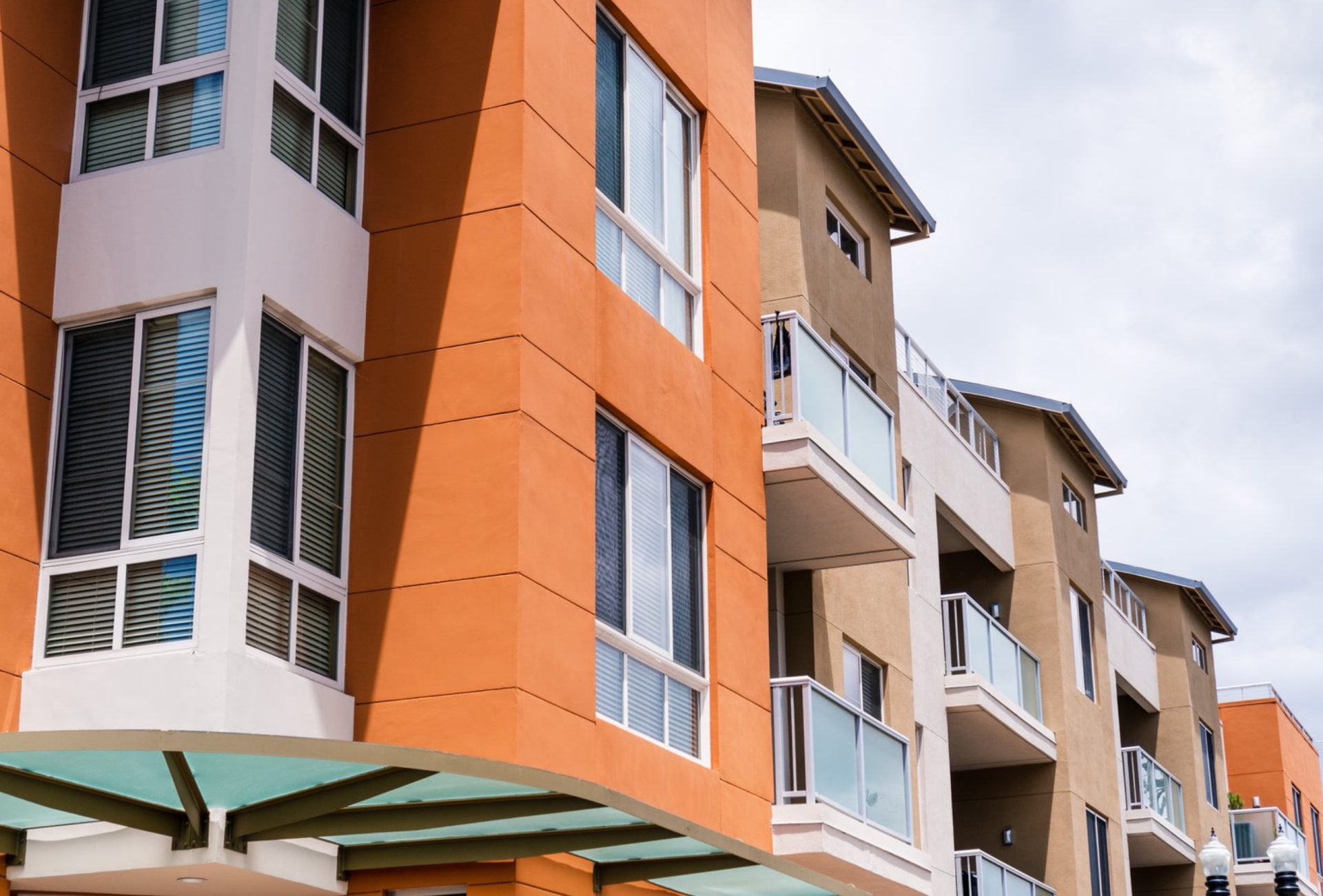






Fall is one of the best seasons for painting projects in Chicagoland. Cooler temperatures, lower humidity, and the crisp autumn air create ideal conditions for both exterior and interior painting. However, fall also brings challenges such as shorter daylight hours, sudden temperature drops, and unpredictable weather. Without proper planning, your project could face delays, curing problems, or compromised results.
This guide helps homeowners plan an efficient fall painting schedule, ensuring professional, long-lasting results for every project.
Why Scheduling Matters in Fall
Painting in fall is not just about picking a day; it’s about timing your work to avoid common pitfalls:
- Temperature Sensitivity: Paint requires specific temperature ranges to dry and cure properly.
- Weather Variability: Sudden rain, frost, or high winds can damage freshly painted surfaces.
- Daylight Limitations: Shorter days mean less working time for exterior projects.
- Surface Preparation: Repairs, sanding, and priming need sufficient time before painting.
Proper scheduling ensures that each step — preparation, painting, and curing — is completed efficiently.
Step 1: Assess Your Project Scope
- Determine Areas to Paint: Exterior walls, trim, doors, decks, or interior spaces.
- Measure Surfaces: Calculate square footage to estimate paint quantity and labor.
- Identify Repairs: Cracks, peeling paint, water damage, or rot that must be addressed before painting.
- Decide on Colors and Paint Types: Select appropriate paint for each surface and season.
A clear assessment helps you allocate time and resources effectively.
Step 2: Check the Fall Weather Forecast
- Aim for dry, mild days with temperatures above 50°F for exterior latex paints.
- Avoid painting just before rain, frost, or windy days.
- Use historical weather data for Chicagoland to identify optimal painting windows in September, October, or early November.
Tip: Keep a flexible schedule to accommodate sudden changes in temperature or precipitation.
Step 3: Plan Surface Preparation
Fall painting requires thorough preparation to ensure paint adheres and lasts through winter:
- Exterior Surfaces: Wash siding, trim, and decks; scrape and sand old paint; repair cracks or rot.
- Interior Surfaces: Patch holes, clean walls, remove dust, and sand rough spots.
- Priming: Apply primer on bare or repaired areas to promote proper adhesion.
Allocate enough days for preparation before the actual painting begins.
Step 4: Create a Painting Timeline
- Prioritize Exterior Walls and Trim: Paint walls first, then trim, shutters, and doors.
- Work in Sections: Divide large surfaces into manageable areas to maintain wet edges and prevent lap marks.
- Allow Adequate Drying Time: Thin coats dry faster; ensure each coat cures properly before applying the next.
- Adjust for Shorter Daylight: Start early in the morning to maximize sunlight for exterior projects.
Example Timeline:
| Task | Duration | Notes |
|---|---|---|
| Surface Prep | 1–3 days | Cleaning, sanding, repairs |
| Priming | 1 day | Only where needed |
| First Coat | 1–2 days | Exterior walls or interior main areas |
| Second Coat | 1–2 days | Ensure proper drying before applying |
| Trim & Accents | 1 day | Doors, shutters, trim |
| Final Touch-Up | 1 day | Inspect for missed spots, touch up |
Step 5: Choose the Right Paint and Tools
- Paint Types: Acrylic latex, elastomeric, or low-VOC paints work best in fall conditions.
- Brushes and Rollers: High-quality tools ensure smooth, even coverage.
- Sprayers: Useful for large exterior surfaces to speed up application.
- Drop Cloths and Tape: Protect landscaping, porches, and interior floors.
Having tools and materials ready prevents delays once painting begins.
Step 6: Plan for Weather Contingencies
Fall weather can change quickly. To protect your project:
- Monitor Daily Forecasts: Adjust schedule if rain, frost, or high winds are predicted.
- Use Tarps or Covers: Protect freshly painted walls and decks from overnight dew or frost.
- Have Flexible Labor Plans: If hiring painters, ensure they can adjust to changing conditions.
- Stock Extra Paint: Touch-ups may be necessary if minor weather-related issues occur.
Step 7: Schedule Interior Painting Efficiently
If painting indoors during fall:
- Ventilation: Open windows on mild days for proper airflow.
- Temperature Control: Maintain a consistent room temperature to help paint cure.
- Plan Around Furniture: Move or protect furniture to allow uninterrupted workflow.
- Prioritize High-Traffic Areas: Living rooms, kitchens, and hallways may require more attention.
Step 8: Professional Help for Large Projects
Fall painting is ideal for hiring professionals, especially for:
- Multi-story homes or complex exteriors
- Large decks, fences, or exterior trim
- Tight timelines before temperatures drop
- Expertise in selecting low-temperature paints and curing techniques
Chicagoland Paint Pro ensures projects are completed efficiently, safely, and on schedule, even when weather or short days pose challenges.
Fall Painting Maintenance Tips
- Inspect painted surfaces for peeling or fading before winter.
- Touch up areas exposed to wind, rain, or early frost.
- Seal decks, fences, and high-traffic areas to maintain durability.
- Clean gutters and downspouts to prevent water damage to painted walls.
Final Checklist for Planning Your Fall Painting Schedule
- Assess project scope, areas, and repairs needed
- Check fall weather and identify ideal painting windows
- Allocate days for surface prep, priming, and painting
- Prioritize exterior walls, trim, and accent features
- Select paints suitable for cooler temperatures and fall conditions
- Gather tools and materials in advance
- Plan for weather contingencies and potential delays
- Hire professionals if needed for large or complex projects
Conclusion
Fall offers perfect conditions for painting, but careful scheduling is key to success. By assessing your project, planning around weather, preparing surfaces properly, and allocating time efficiently, you can achieve a smooth, durable, and attractive finish for your Chicagoland home.
Contact Chicagoland Paint Pro to plan your fall painting project professionally, ensuring your home looks stunning and is well-protected before winter arrives.