






Choosing the right paint brush can make or break a painting project. One of the most important decisions is deciding between synthetic and natural bristles. Each type has its strengths, weaknesses, and ideal uses. This guide will help you understand the differences and choose the best brush for your project.
1. Synthetic Bristles: What You Need to Know
Material: Typically made from nylon, polyester, or a blend of both.
Best For:
- Water-based paints (latex, acrylic)
- Primers and sealers
Advantages:
- Durable: Synthetic brushes maintain their shape even after repeated cleaning.
- Easy to Clean: Water-based paints rinse out quickly.
- Smooth Finish: Synthetic bristles create even coverage with minimal streaking.
- Cost-Effective: Usually more affordable than high-quality natural brushes.
Disadvantages:
- May not hold as much paint as natural bristles for oil-based paints.
- Less effective for traditional finishes like varnishes and stains.
Popular Uses: Walls, ceilings, trim with latex paint, and DIY furniture projects.
Pro Tip: A high-quality synthetic brush with tapered bristles gives the smoothest finish for water-based paints.
2. Natural Bristles: What You Need to Know
Material: Made from animal hair, such as ox, hog, or badger.
Best For:
- Oil-based paints, varnishes, and stains
- Traditional or professional finishing projects
Advantages:
- Superior Paint Hold: Natural bristles absorb and hold more paint, reducing frequent reloading.
- Smooth Finish: Perfect for oil-based paints, giving a rich, flawless look.
- Durable for Oil-Based Paints: Less prone to fraying or curling when used correctly.
Disadvantages:
- Not suitable for water-based paints—they absorb water and become limp.
- Typically more expensive than synthetic brushes.
Popular Uses: Trim, doors, cabinets, and furniture finished with oil-based paints or varnishes.
Pro Tip: Use natural brushes only for oil-based paints and stains to maximize their performance and lifespan.
3. Performance Comparison: Synthetic vs Natural
| Feature | Synthetic Bristles | Natural Bristles |
|---|---|---|
| Best Paint Type | Water-based | Oil-based |
| Durability | High for water paints | High for oil paints |
| Smooth Finish | Yes | Excellent with oils |
| Maintenance | Easy | Needs careful cleaning with solvent |
| Cost | Affordable | Higher |
| Ideal Use | Walls, ceilings, trim, DIY | Trim, cabinets, furniture, professional finishes |
4. Choosing the Right Brush for Your Project
Step 1: Identify Paint Type
- Water-based → Synthetic
- Oil-based → Natural
Step 2: Determine Surface & Detail
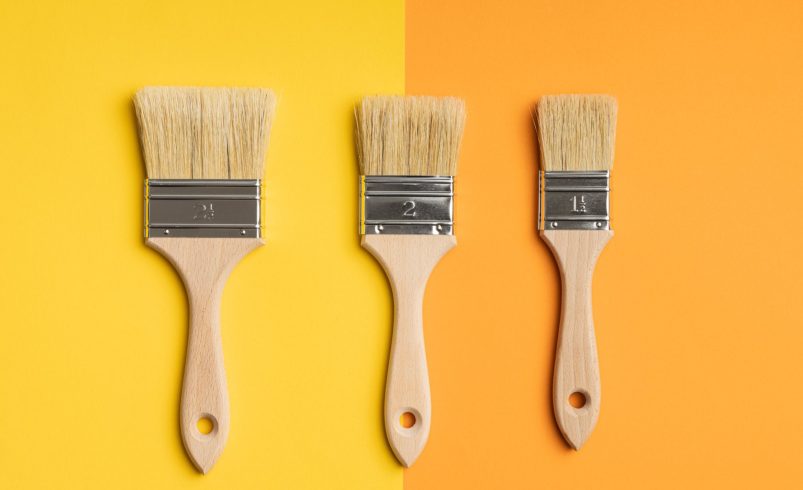
- Large, flat surfaces → Wider brushes (3–4 inches)
- Trim & corners → Angled brushes (1–2 inches)
Step 3: Consider Frequency of Use
- Occasional DIY → Synthetic for versatility
- Professional or oil-based projects → Invest in high-quality natural brushes
Pro Tip: Having both types of brushes ensures you’re prepared for any project, whether it’s interior walls or exterior trim.
5. Maintenance Tips to Extend Brush Life
Synthetic Brushes:
- Rinse thoroughly with water after use.
- Use mild soap for stubborn paint.
- Store flat or hang to avoid bending bristles.
Natural Brushes:
- Clean immediately with mineral spirits or paint thinner after oil-based projects.
- Avoid soaking for long periods to prevent bristle damage.
- Store in a dry place with bristles straight to maintain shape.
Pro Tip: Proper cleaning and storage can make a brush last for years, saving money and improving paint quality.
6. Final Recommendations
- DIYers: Synthetic brushes are versatile, cost-effective, and ideal for most household projects.
- Professional Finishers: Natural bristles deliver unmatched smoothness with oil-based paints and stains.
- Hybrid Approach: Many painters maintain a set of both types to handle any painting task efficiently.
Choosing between synthetic and natural bristles depends on the paint type, surface, and desired finish. Selecting the right brush not only improves the final look but also makes painting faster and less frustrating. Investing in quality brushes—paired with proper care—ensures lasting performance and professional results.