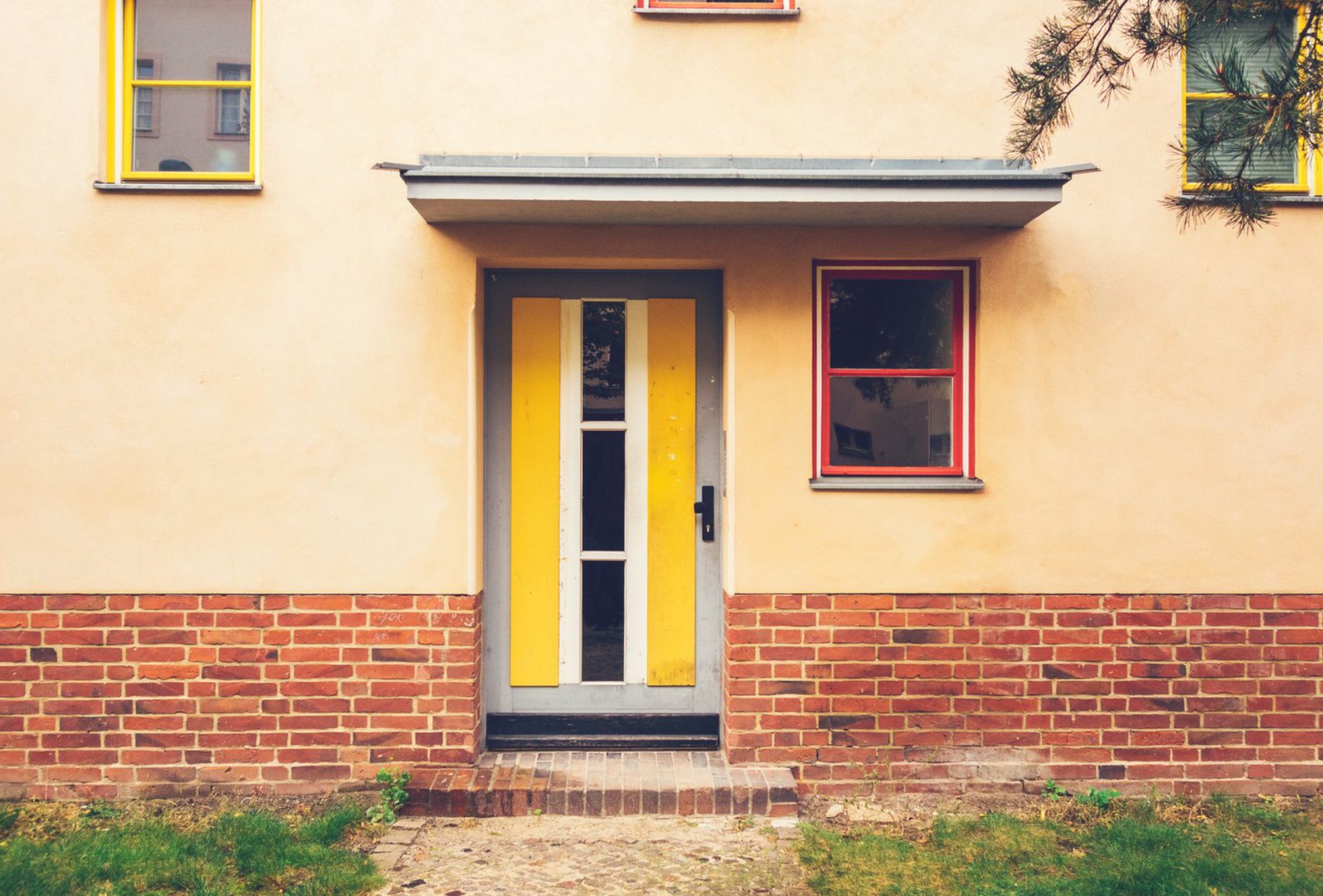







Brick exteriors have long been a hallmark of durability and timeless design. However, painting brick can refresh your home’s look, modernize traditional styles, and protect surfaces from weathering. While unpainted brick has a classic charm, painted brick can make a bold design statement or subtly complement your home’s color palette.
This guide covers everything homeowners need to know about painting brick homes, from preparation to maintenance, ensuring a professional and lasting finish.
Why Paint Brick?
- Update Style: Transform traditional red or brown brick into modern whites, grays, or bold accent colors.
- Uniform Appearance: Painted brick hides discoloration, stains, and inconsistencies.
- Protective Layer: Exterior paint adds a barrier against moisture, frost, and sun damage.
- Design Flexibility: Allows homeowners to match trim, siding, and landscaping colors.
Chicagoland Paint Pro Tip: Painting brick requires careful surface prep to avoid peeling or moisture issues—professional guidance often yields the best results.
Choosing Whether to Paint Your Brick
Considerations Before Painting
- Brick Condition: Only paint bricks in good condition—crumbling or deteriorating bricks should be repaired first.
- Porosity: Highly porous bricks absorb paint differently; primer may be needed.
- Climate: Chicago’s cold winters and humid summers make weather-resistant paint essential.
- Long-Term Commitment: Painted brick is permanent; future removal can be difficult and costly.
- Aesthetic Goals: Decide whether you want a clean, solid color, whitewash, or a more rustic, textured look.
Pro Tip: If unsure, test a small section first to see how paint adheres and how the color looks with natural lighting.
Types of Paint for Brick
- Acrylic Latex Paint
- Pros: Flexible, resists cracking, easy to clean
- Cons: Requires multiple coats for deep colors
- Masonry Paint
- Pros: Designed specifically for bricks, provides waterproofing and durability
- Cons: Slightly higher cost, may need primer for new bricks
- Elastomeric Paint
- Pros: Creates a thick, protective layer; fills minor cracks
- Cons: Can trap moisture if applied incorrectly; professional application recommended
Chicagoland Paint Pro Tip: Always use exterior-grade paints with UV protection to prevent fading and maintain durability in Chicago’s seasonal climate.
Steps to Prepare Brick for Painting
- Clean the Surface: Use a pressure washer to remove dirt, mold, and peeling paint.
- Repair Damaged Areas: Fill cracks or gaps with masonry filler and replace deteriorated bricks.
- Scrape Loose Paint: Remove any peeling or flaking paint to ensure adhesion.
- Rinse and Dry: Allow bricks to dry completely—moisture prevents proper paint adhesion.
- Apply Primer: Use a masonry primer for unpainted or highly porous bricks.
Pro Tip: Proper preparation is essential; skipping steps leads to peeling, flaking, and uneven coverage.
Tips for a Professional Finish
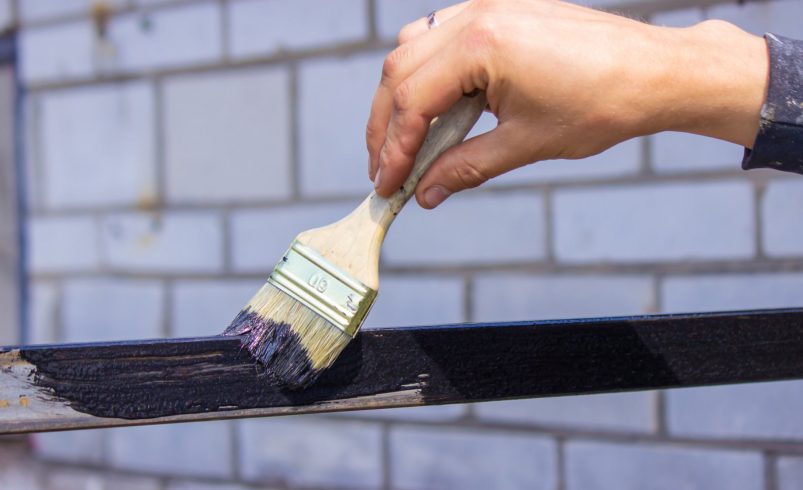
- Use brushes or rollers designed for textured brick surfaces.
- Apply multiple thin coats rather than one thick coat for durability.
- Paint during mild, dry weather; avoid freezing temperatures or heavy rain.
- Seal painted brick if additional protection against moisture is needed.
- Coordinate trim and accent colors for a cohesive exterior look.
Common Mistakes to Avoid
- Painting wet or damp brick—leads to peeling and blistering
- Skipping primer on bare or highly porous bricks
- Using interior paint rather than exterior-grade masonry paint
- Neglecting surface repairs or cleaning
- Choosing colors without testing how they look with surrounding elements
Maintenance for Painted Brick
- Inspect Annually: Look for cracks, peeling, or fading.
- Clean Gently: Use mild detergents or soft pressure washing to remove dirt.
- Touch-Up Promptly: Address chips and damage quickly to prevent water intrusion.
- Repaint When Necessary: High-quality paints last 10–15 years; exterior conditions can affect longevity.
Final Thoughts
Painting brick is a transformative way to refresh your home’s exterior while adding protection against Chicago’s harsh weather. With proper preparation, careful paint selection, and professional techniques, homeowners can achieve a durable, stylish finish that enhances curb appeal and modernizes classic brick exteriors.
Whether opting for bold colors, muted neutrals, or subtle whitewashing, painted brick provides flexibility, style, and long-lasting results for your home.