






Outdoor wood, whether it’s a deck, fence, or pergola, faces constant exposure to weather, moisture, sunlight, and wear. Proper protection with paint or stain is essential to maintain beauty, durability, and structural integrity. This guide explains how to protect outdoor wood using the right coatings, preparation, and maintenance techniques.
1. Why Outdoor Wood Needs Protection
- Sunlight causes fading, discoloration, and UV damage.
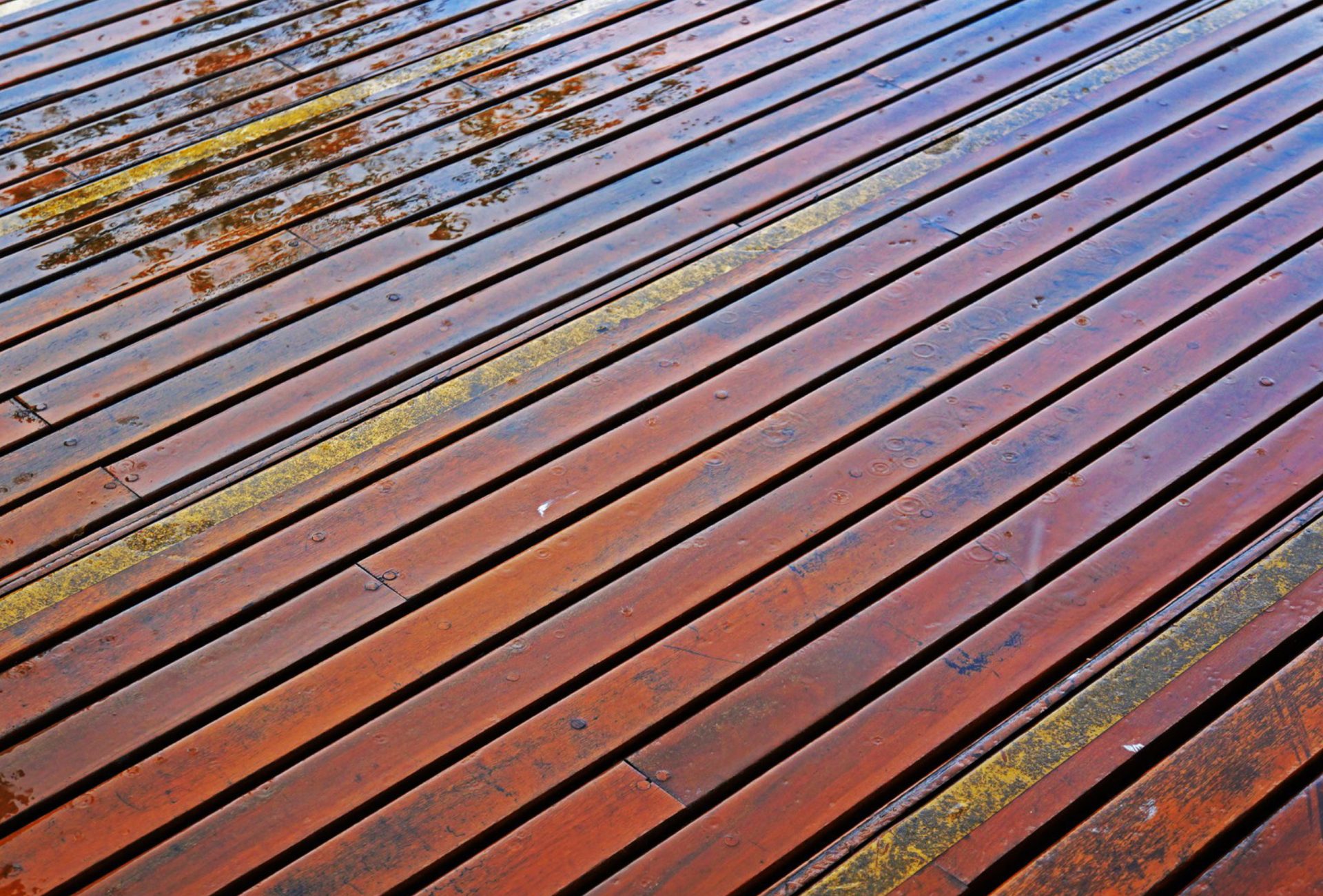
- Rain and snow lead to water absorption, warping, and rot.
- Wind and debris can cause scratches and surface damage.
- Unprotected wood is prone to mold, mildew, and insect infestations.
Pro Tip: Protecting outdoor wood not only improves appearance but extends its lifespan significantly.
2. Choosing Between Paint and Stain
- Paint: Provides a solid, opaque layer that completely covers imperfections and protects against moisture. Ideal for high-traffic or weather-exposed surfaces.
- Stain: Penetrates the wood, enhancing natural grain while providing color and protection. Available in solid, semi-transparent, or transparent options.
Pro Tip: Consider the condition of the wood, desired look, and level of protection needed when choosing between paint and stain.
3. Preparation is Key
- Inspect the wood for cracks, splinters, rot, or insect damage.
- Clean thoroughly with a pressure washer or deck cleaner to remove dirt, mold, and old finishes.
- Sand rough areas and fill holes or cracks with exterior wood filler.
- Ensure the surface is dry and free of debris before applying any coating.
Pro Tip: Well-prepped wood ensures paint or stain adheres properly and lasts longer.
4. Applying Paint for Maximum Protection
- Choose exterior-grade paint designed for wood surfaces.
- Apply a primer for bare or repaired wood to enhance adhesion.
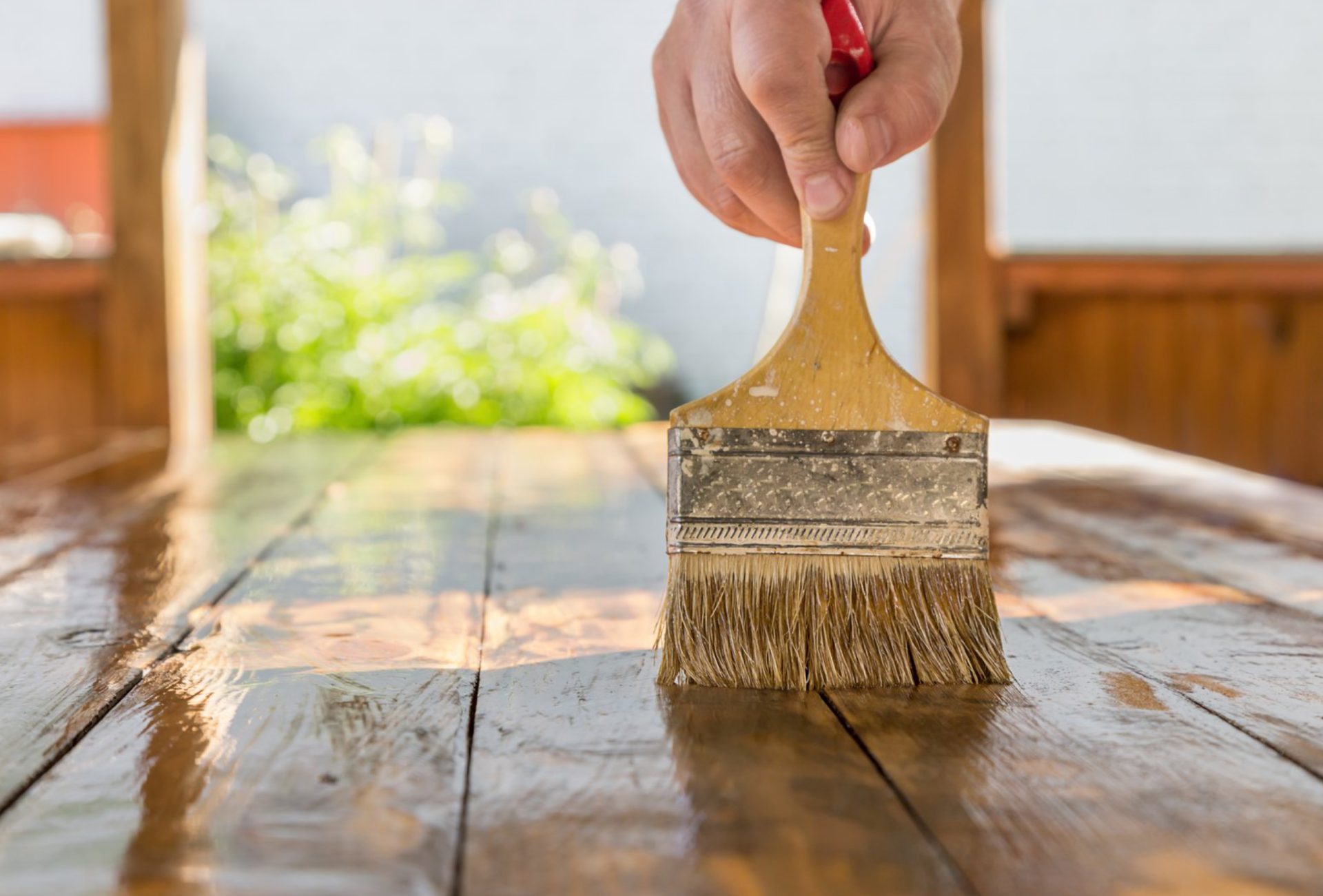
- Use thin, even coats with a brush, roller, or sprayer.
- Allow proper drying between coats to prevent peeling or bubbling.
Pro Tip: Paint forms a protective barrier against water and UV rays, making it ideal for decks and fences in harsh climates.
5. Staining Techniques to Protect Wood
- Select a stain suitable for outdoor use and your wood type.
- Solid stains offer complete coverage, while semi-transparent stains allow wood grain to show through.
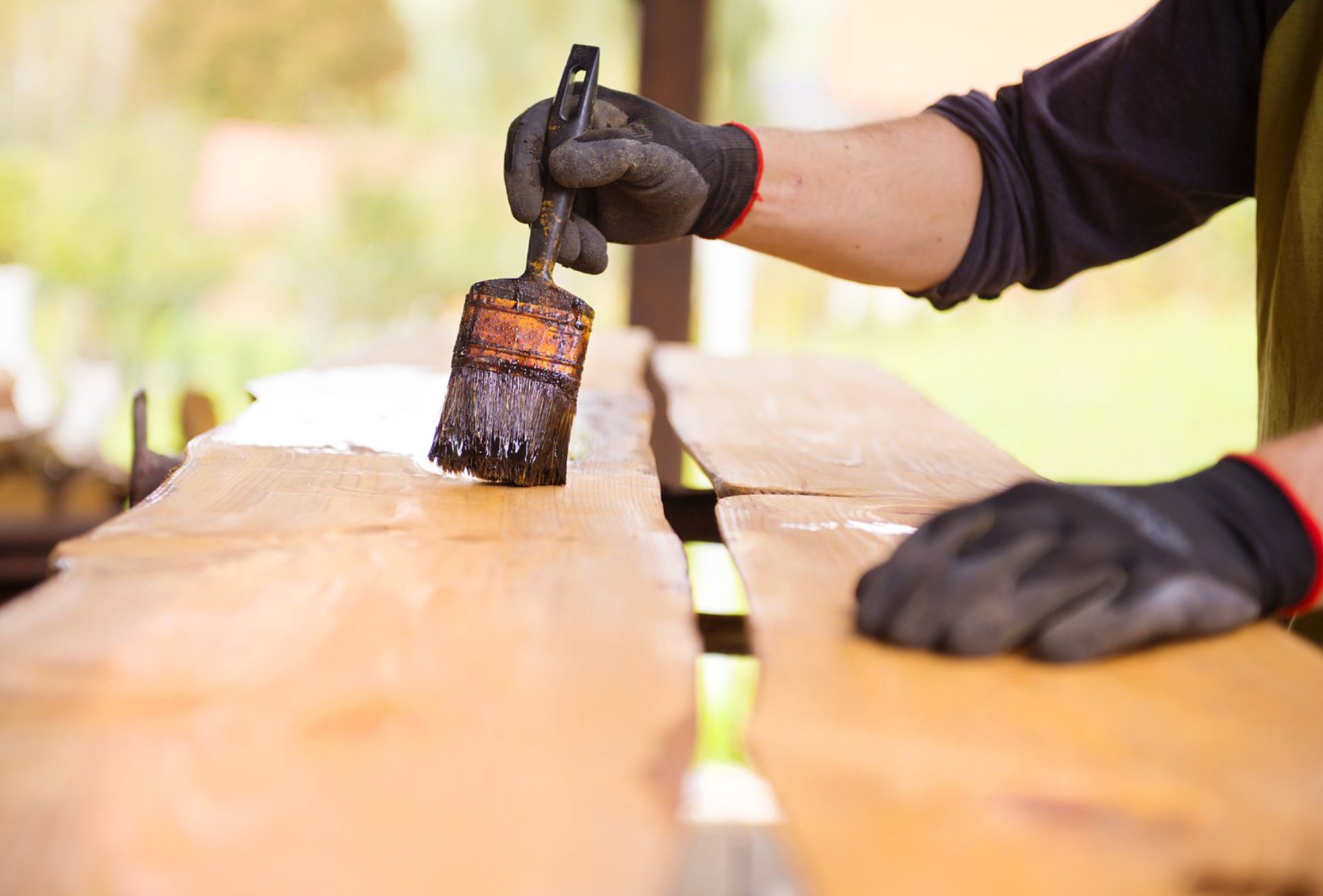
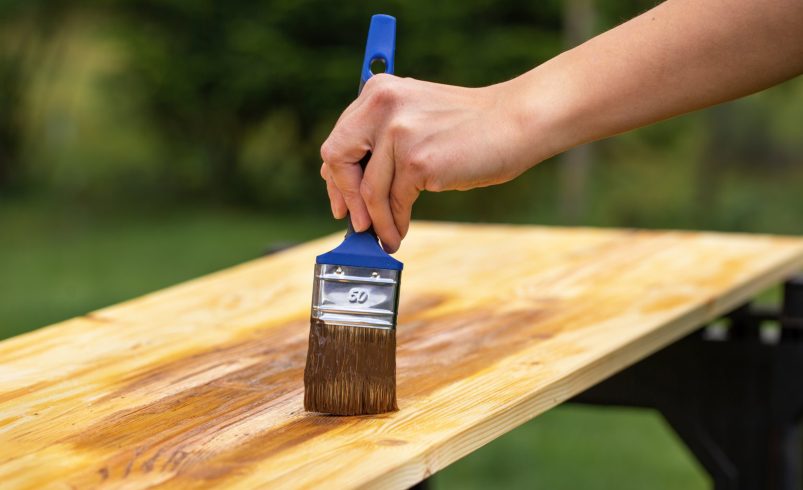
- Apply with a brush or sprayer along the wood grain.
- Two coats are recommended for maximum protection, especially on exposed surfaces.
Pro Tip: Stains enhance natural beauty while sealing wood against moisture and sun damage.
6. Additional Protective Measures
- Use water-repellent sealers on both painted and stained surfaces.
- Add UV inhibitors to protect against fading.
- Cover wood surfaces with tarps or furniture covers during harsh weather.
Pro Tip: Combining paint or stain with sealers and protective measures greatly extends wood life.
7. Maintaining Outdoor Wood
- Inspect annually for chips, cracks, or faded areas.
- Clean with a mild detergent or deck cleaner to remove dirt and mildew.
- Reapply stain or paint every 2–5 years depending on wear and weather exposure.
Pro Tip: Regular maintenance ensures long-lasting protection and reduces the need for major repairs.
8. Professional Solutions
- Experts like Chicagoland Paint Pro recommend the best paints, stains, and protective products for your wood.
- Professionals handle prep, application, and finishing for flawless, long-lasting results.
- Hiring experts ensures proper coverage, color consistency, and protection against weather damage.
Pro Tip: Professional application is especially valuable for large decks, fences, or multi-level structures.
Conclusion
Protecting outdoor wood with paint or stain is essential for durability, aesthetics, and longevity. Proper preparation, quality coatings, and regular maintenance ensure your wood withstands weather, moisture, and daily wear. For professional guidance and expert application, Chicagoland Paint Pro provides services that safeguard your outdoor wood and maintain its beauty for years to come.