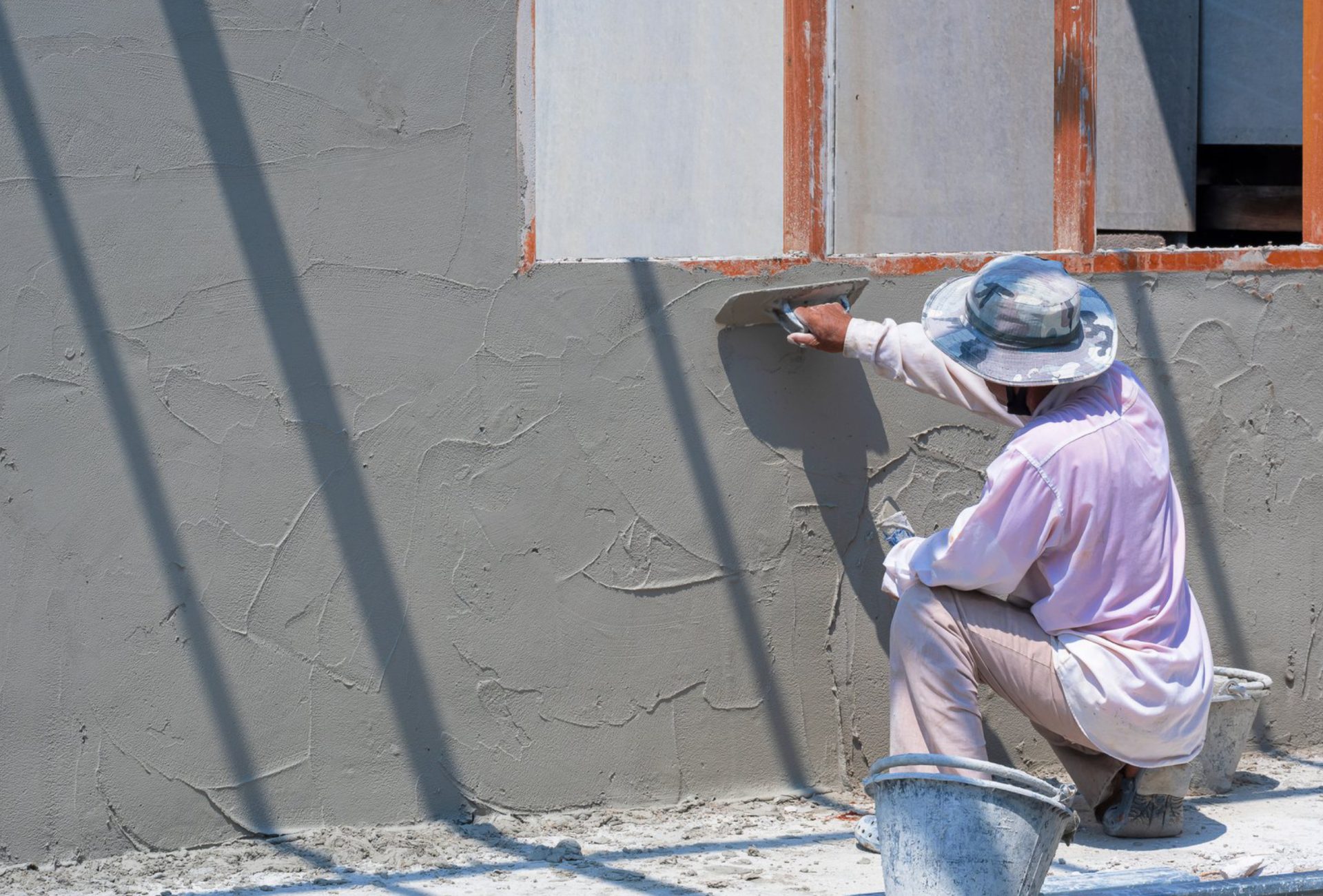







Stucco exteriors are popular for their durability, texture, and distinctive look. However, painting stucco requires careful preparation, proper materials, and the right techniques to ensure a long-lasting, visually appealing finish. A poorly painted stucco surface can peel, crack, or fade quickly, especially in Chicago’s fluctuating weather conditions.
This guide provides essential stucco painting tips to achieve a durable, professional finish that enhances your home’s curb appeal.
Why Proper Stucco Painting Matters
- Durability: Correct painting prevents moisture penetration, cracking, and peeling.
- Aesthetic Appeal: Enhances texture, highlights architectural features, and modernizes your home.
- Protection: Exterior paint acts as a barrier against rain, snow, and UV damage.
- Longevity: Proper application extends the life of your stucco and paint.
Chicagoland Paint Pro Tip: Stucco’s porous and textured surface requires specific paints and techniques—standard paint and rollers may not suffice.
Choosing the Right Stucco Paint
1. Acrylic Latex Paint
- Flexible, durable, and breathable
- Adheres well to textured stucco surfaces
- Resistant to cracking and fading
2. Elastomeric Coating
- Thick, protective layer that fills minor cracks
- Ideal for homes in climates with freeze-thaw cycles like Chicago
- Creates a long-lasting, water-resistant finish
3. Masonry or Stucco-Specific Paint
- Formulated for porous surfaces
- Provides UV protection and color retention
- Easier application on rough, textured walls
Tip: Always choose exterior-grade paint that can withstand Chicago’s seasonal changes and heavy precipitation.
Preparing Stucco for Painting
Proper preparation is key to a long-lasting finish:
- Clean the Surface: Use a pressure washer or brush with mild detergent to remove dirt, mold, and debris.
- Repair Cracks and Holes: Fill minor cracks with stucco patching compound; larger structural issues may need professional attention.
- Remove Loose Paint: Scrape any peeling or flaking areas from previous coats.
- Rinse and Dry: Allow the stucco to dry completely—painting on damp stucco can lead to adhesion problems.
- Prime if Needed: Use a masonry primer for bare or highly porous stucco surfaces.
Chicagoland Paint Pro Tip: Never skip surface prep—proper cleaning and repair is critical to prevent peeling and cracking.
Painting Techniques for Stucco
- Brushes: Use stiff-bristled brushes for grooves, corners, and textured areas.
- Rollers: Thick-nap rollers are ideal for covering rough surfaces evenly.
- Sprayers: Airless sprayers provide even coverage for large exterior walls.
- Application Tips: Apply multiple thin coats rather than a single thick coat to avoid runs and ensure adhesion.
- Edge Protection: Use painter’s tape to protect windows, doors, and trim.
Tip: Always maintain a wet edge and work systematically across the wall to avoid lap marks and uneven coverage.
Color Considerations for Stucco
- Light Neutrals: White, beige, or cream for a classic, timeless look.
- Earthy Tones: Taupe, clay, and soft browns complement natural landscaping.
- Bold Accents: Charcoal, navy, or muted greens for a modern statement.
- Trim Coordination: Match or contrast trim, shutters, and doors for balance and visual appeal.
Pro Tip: Test color swatches on multiple areas of the stucco in different lighting conditions to ensure desired results.
Weather and Timing Tips
- Avoid Painting in Extreme Temperatures: Paint during mild days—Chicago summers can be hot, winters freezing.
- Check Weather Forecast: Avoid painting before rain or during high humidity.
- Allow Adequate Drying Time: Stucco is porous; each coat must dry completely before applying the next.
Maintenance Tips for Painted Stucco
- Inspect annually for cracks, peeling, or fading.
- Clean gently with mild detergents and soft brushes or pressure washing.
- Repair damage promptly to prevent water infiltration.
- Repaint high-quality stucco every 10–15 years, depending on exposure and finish.
Common Stucco Painting Mistakes to Avoid
- Using interior or non-breathable paint, which traps moisture
- Skipping surface cleaning, leading to poor adhesion
- Painting over wet or damp stucco
- Applying thick coats instead of multiple thin layers
- Ignoring cracks or structural issues before painting
Final Thoughts
Painting stucco is a unique challenge that requires attention to detail, proper materials, and the right techniques. By preparing the surface thoroughly, choosing the appropriate paint, and applying it with care, homeowners can achieve a durable, long-lasting finish that enhances both beauty and protection.
Whether your goal is a classic neutral look or a bold modern statement, following these stucco painting tips ensures your Chicago home maintains curb appeal and structural integrity for years to come.