






A high-quality paint brush can make a huge difference in your painting projects, but even the best brush won’t last if it isn’t chosen and maintained correctly. From bristle material to cleaning methods, selecting a durable brush ensures smooth finishes, reduces paint waste, and saves money over time. This guide will help you choose a brush that lasts for years.
1. Consider the Bristle Material
The bristle material determines both performance and lifespan:
- Synthetic Bristles (Nylon/Polyester):
- Best for water-based paints like latex and acrylic.
- Durable and easy to clean.
- Resistant to fraying when maintained properly.
- Natural Bristles (Animal Hair – Ox, Hog, Sable):
- Ideal for oil-based paints, varnishes, and stains.
- Hold more paint and provide a smooth, professional finish.
- Require careful cleaning with solvents to avoid damage.
Pro Tip: Match the brush material to the paint type for maximum durability and finish quality.
2. Look for Quality Construction
- Tapered Bristles: Brushes with tapered bristles create smoother finishes and are less likely to splay.
- Full, Dense Bristle Head: A denser brush holds more paint and provides even coverage.
- Secure Ferrule: Ensure the metal ferrule (the part that holds the bristles) is tightly attached to prevent shedding.
- Sturdy Handle: Hardwood or reinforced handles are more durable than plastic and provide better control.
Pro Tip: Avoid cheap brushes that shed bristles; they may save money upfront but lead to wasted paint and frustration.
3. Select the Right Size and Shape
The size and shape of a brush affect both efficiency and longevity:
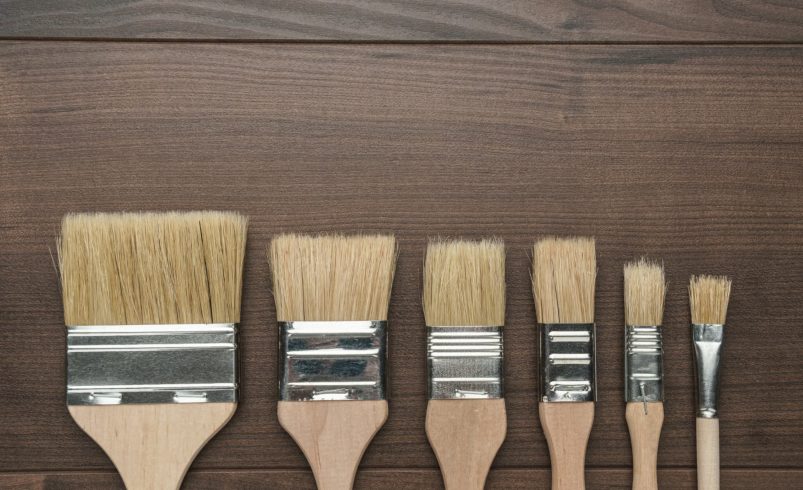
- Flat Brushes: Wide coverage for walls and large surfaces.
- Angled Brushes: Ideal for trim, corners, and detailed work.
- Round Brushes: Perfect for furniture or intricate areas.
Pro Tip: Using the correct brush shape reduces wear from forcing a brush into tasks it wasn’t designed for.
4. Proper Use Matters
Even a high-quality brush can wear out quickly if used incorrectly:
- Don’t overload the brush with paint; this can cause bristle damage and uneven strokes.
- Use long, smooth strokes instead of scrubbing back and forth.
- Avoid pressing too hard; excessive pressure can splay bristles and reduce brush life.
Pro Tip: Treat your brush gently—think of it as a precision tool, not just a paint applicator.
5. Cleaning and Maintenance Tips
Maintaining your brush is critical for longevity:
- Synthetic Brushes:
- Rinse immediately after use with water.
- Mild soap can help remove stubborn paint.
- Natural Brushes:
- Clean promptly with mineral spirits or paint thinner after oil-based projects.
- Avoid soaking bristles too long; this weakens the hairs.
- Storage:
- Store brushes hanging or flat to prevent bending or deforming bristles.
- Keep in a dry place away from dust.
Pro Tip: Regular maintenance ensures your brushes perform like new and last many years.
6. Budget vs. Longevity
- Entry-Level Brushes: Affordable but prone to shedding and splaying, may require replacement after few projects.
- Mid-Range Brushes: Good durability and finish quality for regular DIY use.
- Professional Brushes: High-quality bristles, dense ferrules, and durable handles for frequent use; worth the investment for contractors or avid DIYers.
Pro Tip: A quality brush is a long-term investment that saves paint, time, and frustration.
7. Final Recommendations
- Always match brush type to paint type (synthetic for water-based, natural for oil-based).
- Invest in brushes with full, tapered bristles and secure ferrules.
- Use brushes gently, avoid overloading, and clean immediately after each use.
- Store brushes properly to maintain shape and bristle integrity.
- Consider professional-grade brushes if you frequently paint or want long-lasting tools.
Choosing and maintaining the right paint brush not only improves the quality of your work but also ensures that your brushes serve you for years. Following these guidelines, you can paint efficiently, achieve flawless finishes, and get the most value from every brush you own.