
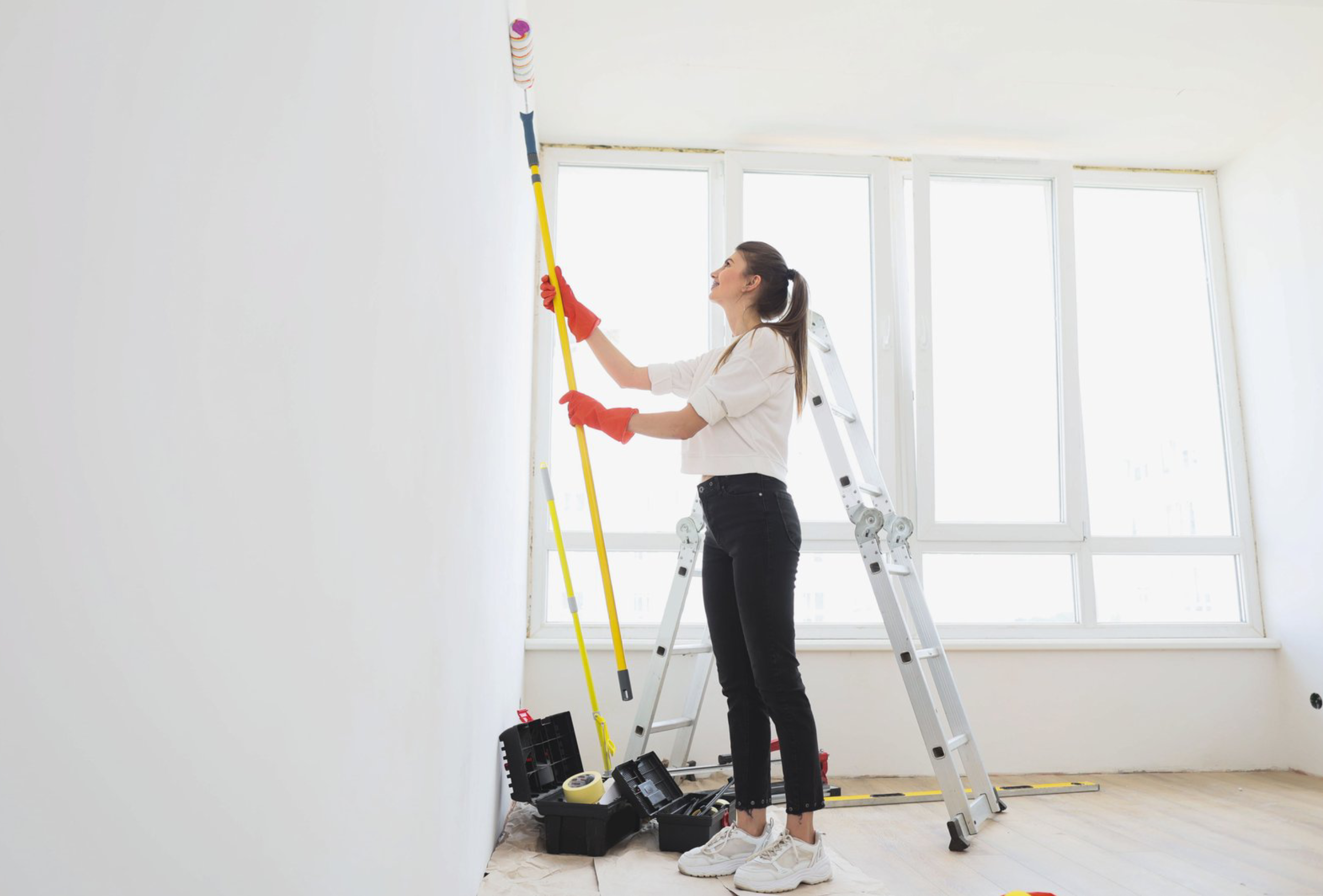



Painting in Chicago can be challenging due to the city’s unpredictable weather. Rain, humidity, and cold temperatures all affect how paint adheres, dries, and cures. Ignoring these factors can lead to peeling, blistering, streaking, and a shorter lifespan for your paint.
This guide provides practical tips for homeowners and painters to tackle interior and exterior projects during less-than-ideal weather conditions, ensuring professional results that last.
Understanding the Impact of Weather on Paint
1. Rain
- Freshly painted surfaces exposed to rain can wash away wet paint or create streaking.
- Even a light drizzle can prevent proper adhesion, leading to bubbling or flaking.
- Rain is most critical for exterior painting, but it can affect indoor humidity levels if windows or doors are left open.
2. Humidity
- High humidity slows drying and curing. Paint may sag, streak, or develop a cloudy finish.
- Low humidity, common during winter heating, can cause paint to dry too quickly, resulting in cracking and brush marks.
- Both extremes require careful management for optimal results.
3. Cold
- Cold temperatures, especially below 50°F for exterior latex paints, inhibit curing.
- Paint may fail to bond to surfaces, leading to peeling or uneven coverage.
- Cold weather also affects drying times, increasing project duration.
Exterior Painting Tips for Rain, Humidity, and Cold
1. Wait for Optimal Conditions
- Aim for temperatures between 50°F and 85°F for exterior painting.
- Avoid painting during forecasted rain or immediately afterward.
- Select days with low wind for smoother application and to prevent debris from sticking to wet paint.
2. Surface Preparation
- Ensure surfaces are dry and free from frost, ice, or dew.
- Power wash exterior surfaces to remove dirt, mold, or mildew.
- Repair cracks, holes, or peeling paint before painting.
3. Use Weather-Resistant Paints
- High-quality acrylic latex paints are durable in varying weather.
- Look for paints labeled “rain-ready” or with extended open times for humid conditions.
- Avoid painting directly on frozen or wet surfaces.
4. Protect Wet Paint
- Use tarps or temporary covers if rain is expected.
- Avoid painting near gutters or areas prone to dripping water.
- Delay painting until surfaces are fully dry for best adhesion.
Interior Painting Tips for Humidity and Cold
1. Control Indoor Conditions
- Maintain temperature between 65–75°F for proper drying and curing.
- Use dehumidifiers to reduce excessive moisture, especially during rainy days.
- Avoid excessive heating that may dry paint too quickly.
2. Ventilation
- Open windows briefly when weather allows to improve airflow.
- Use exhaust fans to reduce indoor humidity from showers, cooking, or laundry.
- Balance ventilation with temperature control to avoid drafts affecting drying paint.
3. Surface Preparation
- Clean walls thoroughly to remove dust, grease, and other contaminants.
- Patch cracks or holes and sand smooth for even coverage.
- Apply primer where necessary to ensure adhesion and consistent color.
Paint Selection for Challenging Weather
- Exterior Paints: Choose flexible, weather-resistant paints that withstand rain, wind, and temperature changes.
- Interior Paints: Use low-VOC, fast-drying paints that tolerate indoor humidity fluctuations.
- Primer: Essential for both interior and exterior surfaces, especially when conditions are less than ideal.
Tip: Avoid oil-based paints in humid or cold conditions, as they take longer to cure and are more prone to defects.
Professional Techniques for Weather Challenges
- Thin Coats: Reduce the risk of sagging and uneven drying.
- Wet Edge Maintenance: Prevent lap marks and streaking in humid conditions.
- Monitor Conditions: Use hygrometers and thermometers to track temperature and humidity.
- Adjust Application: Slow down or speed up painting pace based on surface temperature and moisture levels.
Scheduling Around Chicago Weather
- Spring and Summer: Monitor forecasts for rain and high humidity; plan exterior projects for dry windows.
- Fall: Cooler temperatures favor both interior and exterior projects, but watch for early frosts.
- Winter: Focus on interiors with controlled heating and humidity.
- Flexible Timeline: Have backup dates to accommodate sudden weather changes, especially for exterior painting.
Common Mistakes to Avoid
- Painting on wet or frosty surfaces.
- Ignoring humidity levels indoors or outdoors.
- Using improper paint types for weather conditions.
- Applying thick coats in high humidity, causing sagging or streaking.
- Skipping surface preparation, especially in winter or rainy conditions.
Professional Solutions for Weather-Impacted Painting
Hiring professionals ensures painting projects succeed despite weather challenges:
- Expertise in scheduling and weather assessment
- Climate-controlled tools and equipment for interior painting
- Weather-resistant coatings for exterior projects
- Surface preparation to prevent adhesion issues and extend paint life
Chicagoland Paint Pro offers expert painting services, adapting techniques and timing to Chicago’s unpredictable weather, ensuring high-quality, durable results every time.
Final Checklist for Painting in Rain, Humidity, and Cold
- Check weather forecasts before starting exterior projects
- Maintain ideal indoor temperature and humidity for interior painting
- Prepare surfaces thoroughly, repairing any defects
- Use paints suitable for current temperature and moisture levels
- Apply thin, even coats and allow proper drying time
- Protect wet paint from rain, frost, or debris
- Consider hiring professional painters for optimal results
Conclusion
Painting in challenging weather conditions requires planning, the right materials, and controlled techniques. By understanding how rain, humidity, and cold affect paint, homeowners in Chicago can avoid common mistakes and achieve professional-quality results. Proper preparation, paint selection, and timing make all the difference in creating a beautiful, long-lasting finish.
Chicagoland Paint Pro specializes in weather-aware painting services, ensuring your interior and exterior projects withstand Chicago’s seasonal extremes while looking flawless for years to come.