





Creating a healthier home environment starts with the materials you use—especially paint. Traditional paints release volatile organic compounds (VOCs) and chemicals that can impact indoor air quality, cause odors, and even affect your family’s health over time. In 2026, eco-friendly paints provide a safer alternative without compromising quality, durability, or aesthetics. This guide highlights the top eco-friendly paints for a healthier, stylish, and sustainable home.
1. Why Eco-Friendly Paint Matters
Eco-friendly paints are designed to reduce environmental impact and promote health inside your home:
- Low or No VOCs: Limits the release of harmful fumes that can cause headaches, nausea, and long-term health effects.
- Non-Toxic Ingredients: Reduces exposure to hazardous chemicals during and after painting.
- Sustainable Manufacturing: Many eco-friendly paints use renewable resources and sustainable production practices.
- Odor Reduction: Lowers the strong chemical smell associated with traditional paints.
Pro Tip: Even eco-friendly paints need proper ventilation during application to ensure the best air quality.
2. Top Eco-Friendly Paint Brands in 2026
1. Benjamin Moore Natura
- Zero VOC and zero odor.
- Excellent coverage and washability.
- Durable for high-traffic areas.
2. Sherwin-Williams Harmony
- Zero VOC formula with anti-microbial agents to prevent mold and mildew.
- Wide color palette and smooth finish.
- Ideal for bedrooms, kitchens, and living areas.
3. Behr Premium Plus Ultra Low VOC
- Low VOC with one-coat hide.
- Durable and affordable for DIY projects.
- Great coverage with minimal odor.
4. ECOS Paints
- Water-based, zero VOC, and non-toxic.
- Certified for children’s rooms and sensitive environments.
- Wide range of colors with smooth, even finish.
5. Farrow & Ball
- Luxury, eco-conscious brand with low VOC formulations.
- Rich, deep pigments for statement walls.
- Excellent adhesion and long-lasting finish.
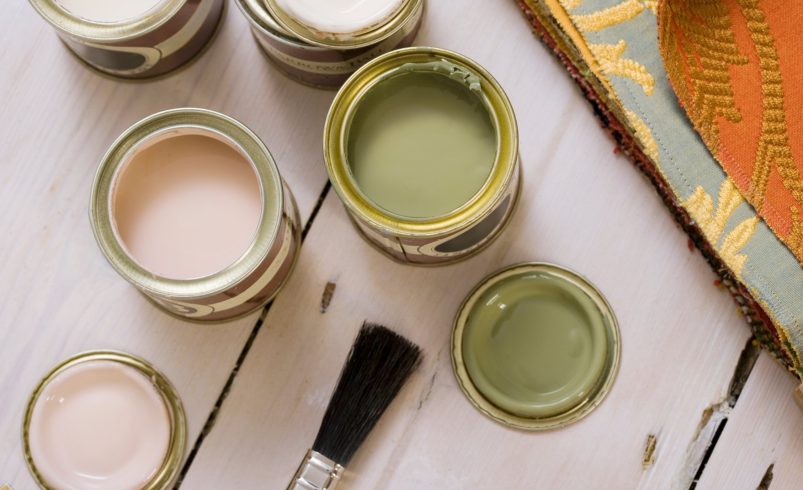
Pro Tip: Test a small patch before committing to full coverage to ensure the color, finish, and application meet your expectations.
3. Types of Eco-Friendly Paint
1. Low-VOC Paints:
- Contain fewer volatile organic compounds than conventional paints.
- Safe for indoor use while maintaining durability and coverage.
2. No-VOC Paints:
- Zero or nearly zero VOC content.
- Minimal odor and safer for sensitive individuals.
3. Non-Toxic Paints:
- Free from harmful chemicals like formaldehyde, heavy metals, and solvents.
- Suitable for children’s rooms, kitchens, and other high-use areas.
Pro Tip: Check certifications like Green Seal or Greenguard to ensure paint meets recognized eco-friendly standards.
4. Benefits of Using Eco-Friendly Paints
- Healthier Indoor Air: Reduces allergens, asthma triggers, and chemical exposure.
- Odor-Free Painting: Makes the painting process more comfortable.
- Environmental Impact: Less harmful emissions during production and application.
- Durability: Modern eco-friendly paints are designed to last just as long as traditional paints.
- Versatility: Available for interior walls, trim, ceilings, and even exterior surfaces.
Pro Tip: Combine eco-friendly paints with proper ventilation to maximize health benefits.
5. Application Tips for Eco-Friendly Paints
- Prepare Surfaces: Clean, sand, and prime surfaces as needed for smooth adhesion.
- Use Proper Tools: Quality brushes, rollers, and sprayers ensure even application.
- Apply Multiple Coats: Two thin coats usually outperform a single thick coat.
- Follow Manufacturer Instructions: Eco-friendly paints may have different drying times and coverage rates.
Pro Tip: Avoid painting in extreme temperatures or humidity to ensure optimal finish and longevity.
6. Popular Rooms for Eco-Friendly Paint
- Bedrooms and Nurseries: Safe for children and sensitive individuals.
- Kitchens: Low odor and non-toxic formulas reduce chemical exposure near food.
- Living Areas: Protects family members from long-term VOC exposure while maintaining style.
- Home Offices: Creates a healthier workspace with minimal chemical distractions.
Pro Tip: Consider coordinating eco-friendly paint with natural materials like wood and stone for a fully sustainable interior.
7. Final Thoughts
Eco-friendly paints offer the perfect balance of health, sustainability, and performance. Top brands like Benjamin Moore Natura, Sherwin-Williams Harmony, Behr Premium Plus Ultra Low VOC, ECOS, and Farrow & Ball provide safe, durable, and stylish options for every room. By choosing low-VOC or non-toxic paints, homeowners can protect indoor air quality, maintain long-lasting finishes, and contribute to a more sustainable future. With proper preparation, application, and maintenance, eco-friendly paints are a practical, safe, and beautiful choice for modern homes.