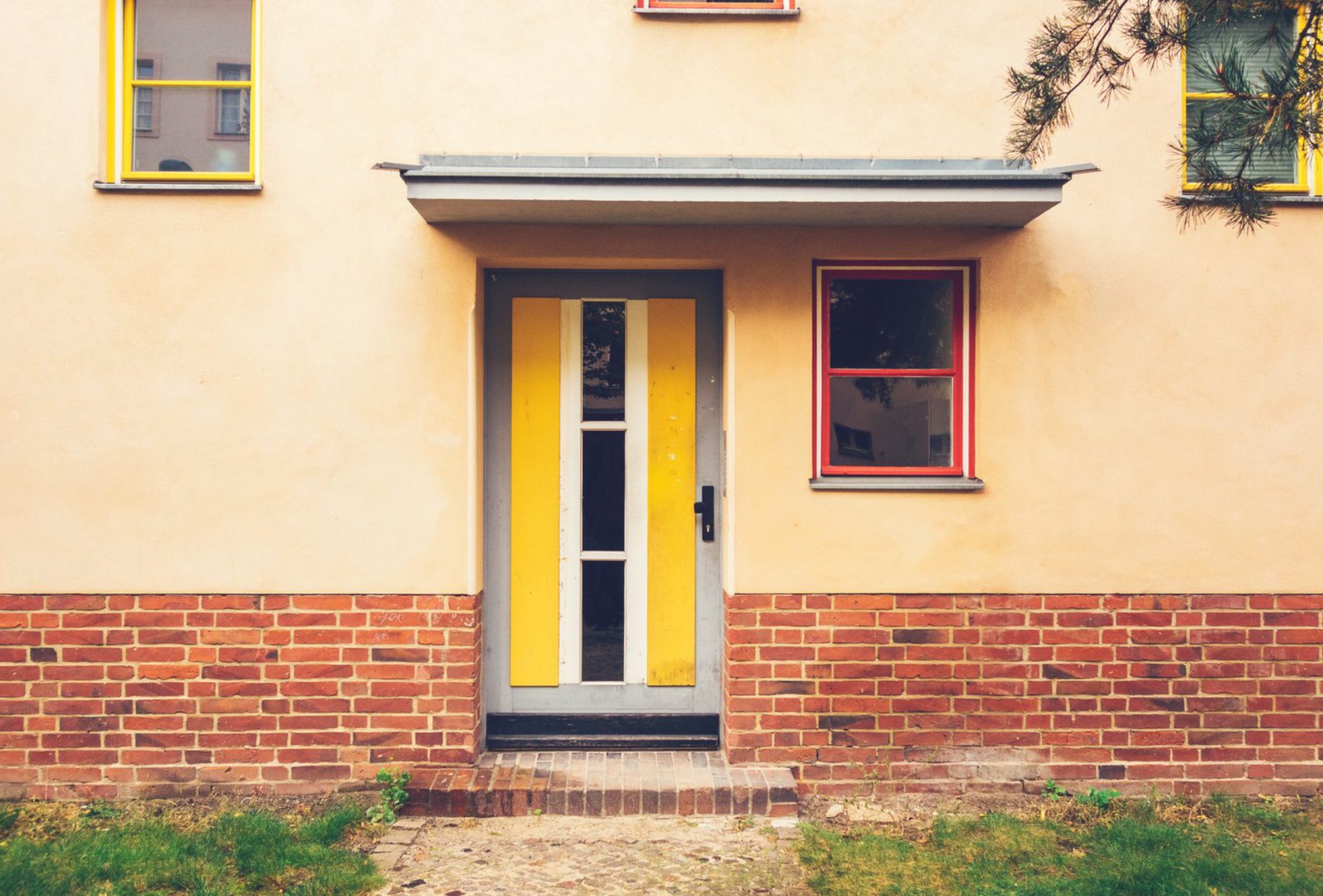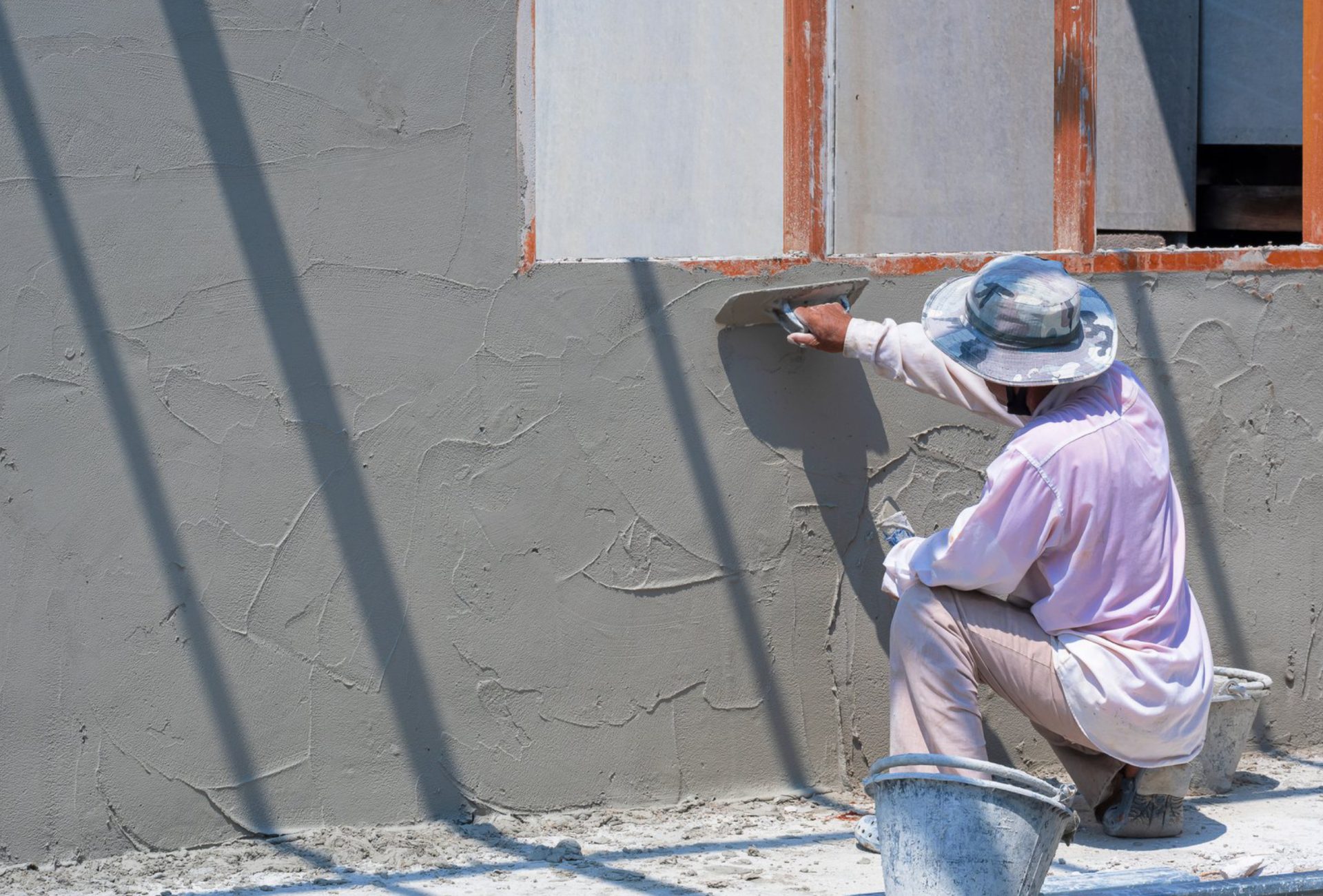

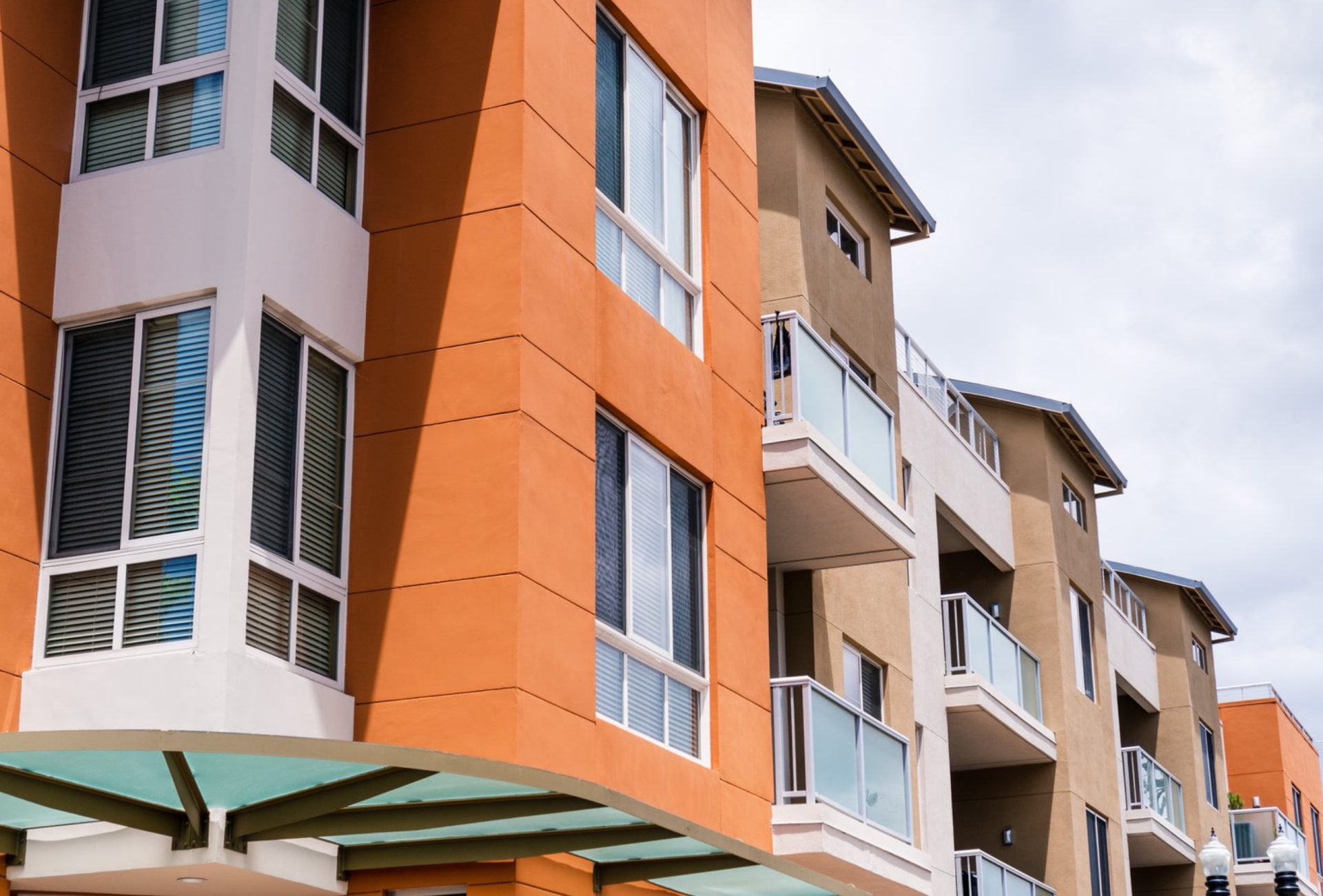



The exterior siding of your home defines its appearance, protects it from the elements, and plays a key role in curb appeal. Choosing the right paint for siding—whether vinyl, wood, or fiber cement—is critical for durability, aesthetics, and long-term protection. Each material requires specific types of paint to adhere properly, resist fading, and withstand harsh weather conditions, especially in Chicago’s climate.
This guide explores the best paints for vinyl, wood, and fiber cement siding, helping homeowners make informed decisions for a professional-quality finish.
Why Siding Paint Choice Matters
- Durability: Proper paint resists peeling, cracking, and fading over time.
- Weather Resistance: Exterior paints must endure rain, snow, freezing temperatures, and UV exposure.
- Curb Appeal: Color and finish enhance your home’s architectural style and value.
- Material Protection: Correct paint prevents moisture infiltration, wood rot, and surface degradation.
Chicagoland Paint Pro Tip: Using the wrong paint on your siding can result in costly repairs and frequent repainting.
1. Vinyl Siding
Vinyl siding is low-maintenance, weather-resistant, and popular for its affordability and ease of cleaning. However, painting vinyl requires the right type of paint to avoid peeling or bubbling.
Best Paints for Vinyl:
- Acrylic Latex Paint: Flexible, adheres well to smooth surfaces, and withstands expansion and contraction caused by temperature changes.
- Formulated Vinyl Paint: Specifically designed for vinyl surfaces, offering adhesion and durability.
Tips for Painting Vinyl:
- Clean thoroughly to remove dirt, mildew, or grime.
- Use light, reflective colors to prevent heat absorption, which can warp siding.
- Avoid dark colors in direct sunlight—they can expand and peel more easily.
2. Wood Siding
Wood siding offers natural beauty but requires careful painting to prevent water damage and rot. Proper paint choice is essential for long-lasting protection.
Best Paints for Wood:
- Acrylic Latex Paint: Breathable, flexible, and resistant to cracking.
- Oil-Based Paint: Durable and resistant to stains, ideal for older wood siding, but longer drying times.
- Primer-Sealer Combinations: Especially important for bare or repaired wood.
Tips for Painting Wood:
- Repair any cracks, splits, or rotted sections before painting.
- Sand surfaces to remove old paint and smooth rough areas.
- Apply a primer for improved adhesion and protection.
Pro Tip: Use satin or semi-gloss finishes for easier cleaning and moisture resistance on wood siding.
3. Fiber Cement Siding
Fiber cement siding is durable, low-maintenance, and resistant to insects and fire, but proper paint application is critical for longevity.
Best Paints for Fiber Cement:
- 100% Acrylic Exterior Paint: Highly flexible, UV-resistant, and designed for porous surfaces.
- Elastomeric Coatings: Optional for homes in extreme climates to fill minor cracks and enhance waterproofing.
Tips for Painting Fiber Cement:
- Clean and prime bare surfaces before painting.
- Use brushes or rollers suitable for textured siding.
- Avoid painting during extreme temperatures or high humidity.
Choosing the Right Finish
- Flat or Matte: Hides imperfections; ideal for older or textured siding.
- Satin/Eggshell: Slight sheen, easier to clean, works well for modern siding.
- Semi-Gloss: Provides a durable, washable finish, suitable for high-traffic areas or homes with frequent dirt exposure.
Pro Tip: Always match the paint type to the siding material, not just color preference.
Common Siding Painting Mistakes to Avoid
- Using interior paint instead of exterior-grade paint
- Skipping primer on bare or porous siding
- Painting in extreme weather conditions
- Ignoring surface prep, such as cleaning and sanding
- Applying thick coats instead of multiple thin layers
Maintenance Tips
- Inspect painted siding annually for cracks, peeling, or fading.
- Clean gently with soft brushes or low-pressure washing.
- Touch up small areas to prevent moisture penetration and maintain aesthetics.
- Repaint with high-quality exterior paint every 10–15 years, depending on siding material and exposure.
Final Thoughts
Choosing the right paint for your siding—vinyl, wood, or fiber cement—is essential for a durable, professional, and visually appealing exterior. Acrylic latex paints, specialized formulations, and proper primers provide flexibility, protection, and long-lasting color.
By understanding your siding material, selecting the appropriate paint, and applying it correctly, homeowners in Chicago can enhance curb appeal, protect their investment, and enjoy beautiful exteriors for years to come.