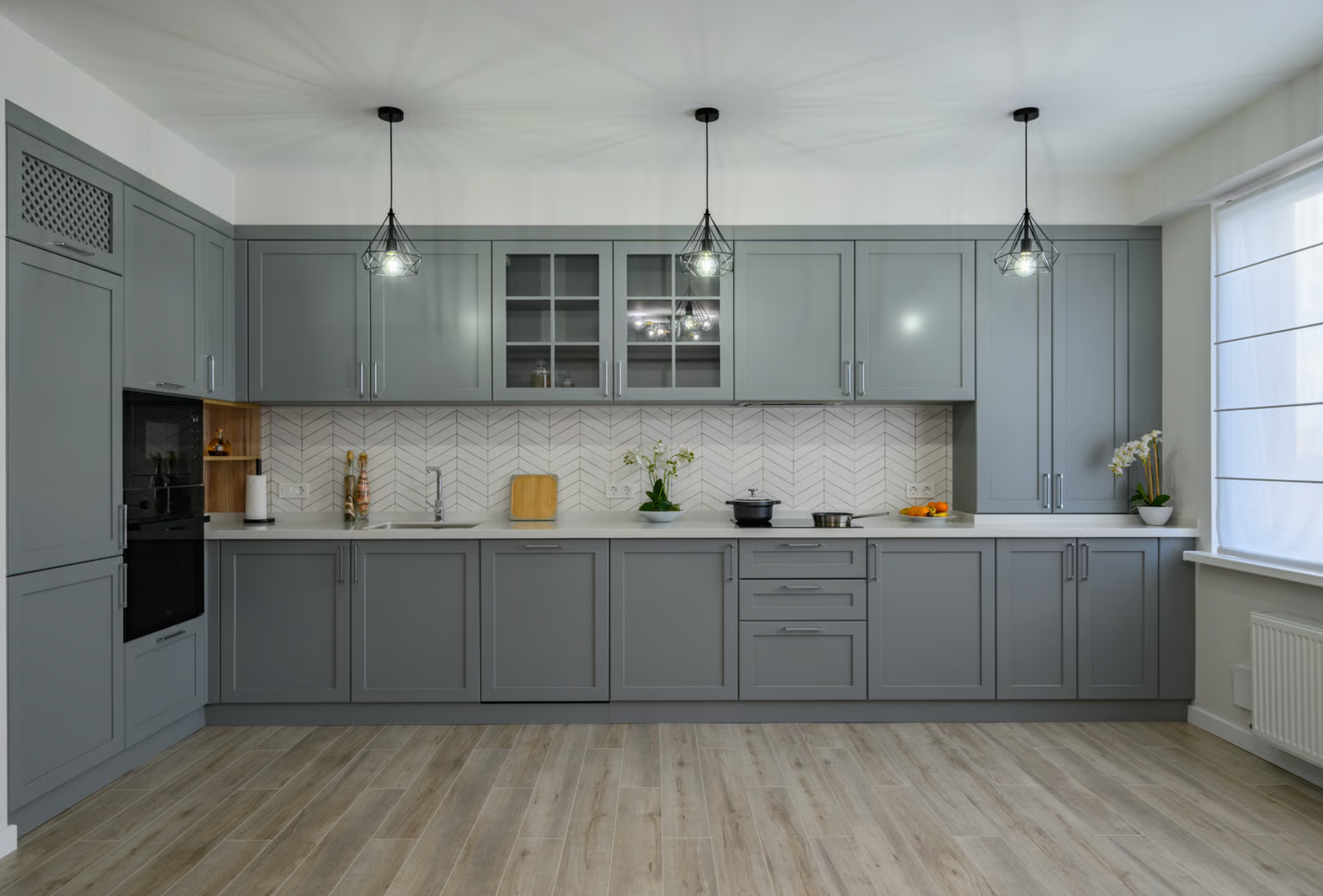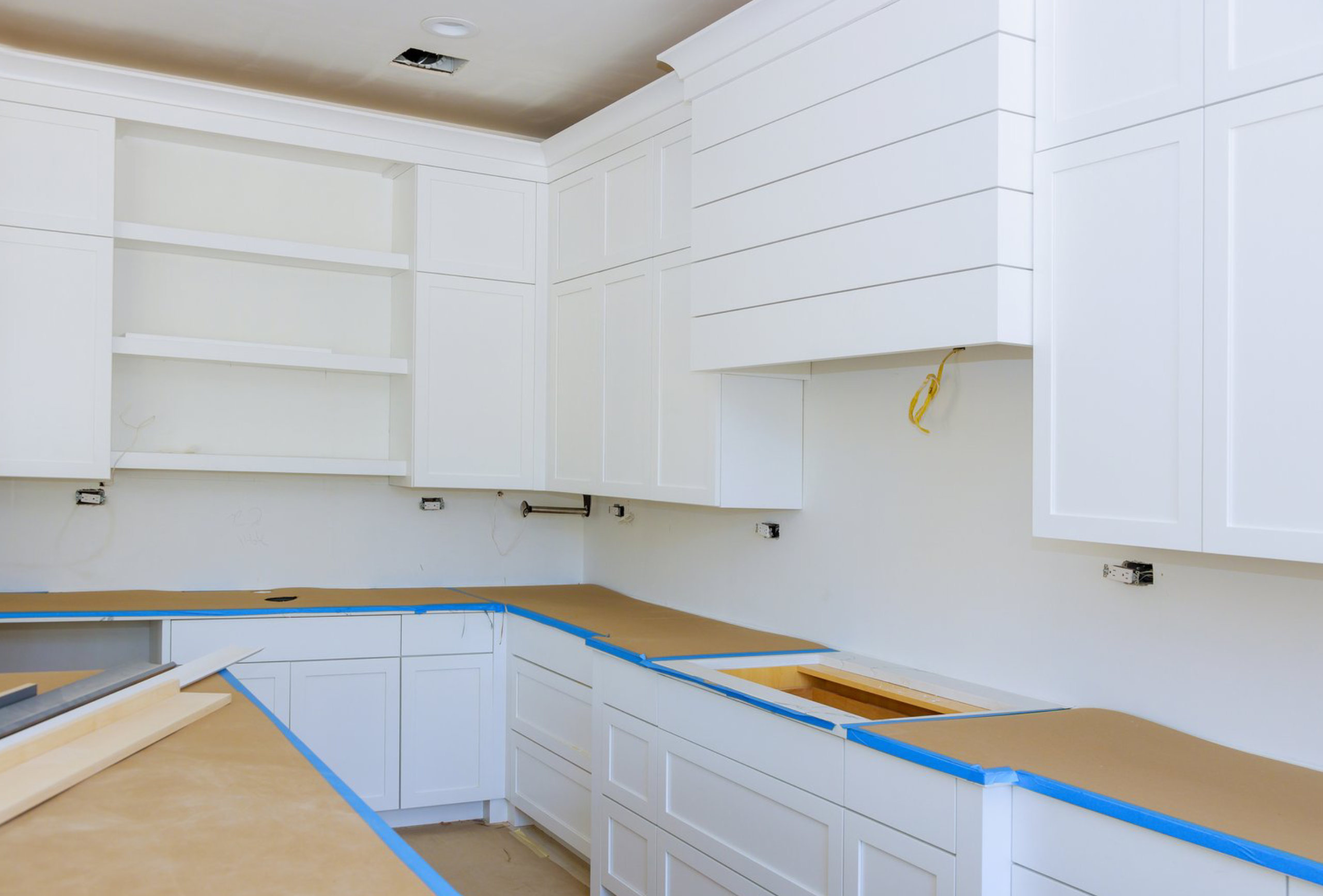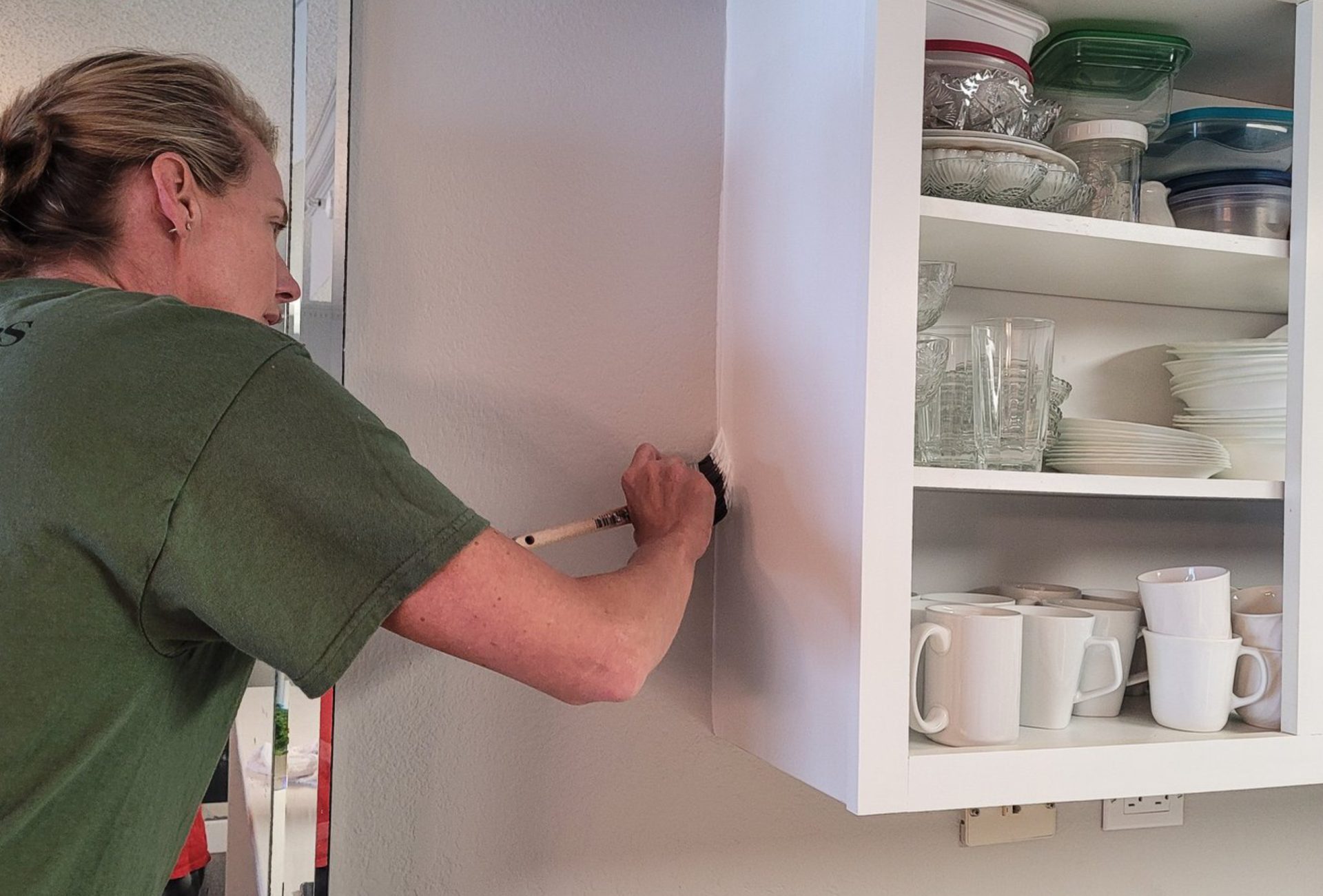





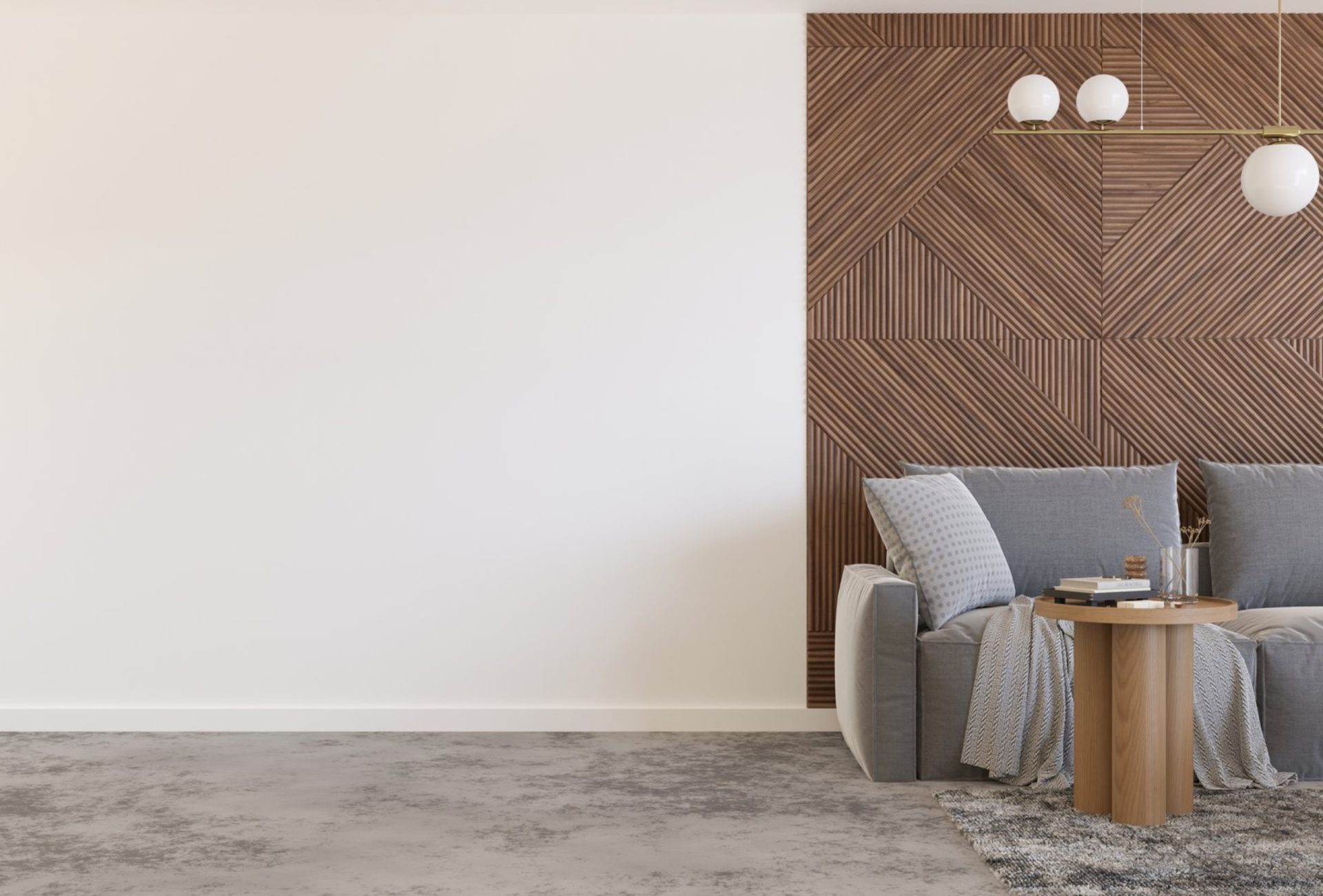

Cabinet staining is one of the most effective ways to enhance the natural beauty of wood while giving your kitchen a warm, polished look. Unlike paint, stains penetrate the wood to bring out its texture and grain, creating depth and character. Choosing the right stain color and type is essential for achieving the desired style, whether you want a modern, rustic, or classic kitchen. In this guide, we’ll explore how to select the perfect stain for your cabinets and transform your kitchen.
1. Understand Your Wood Type
Different wood species absorb stain differently, affecting the final color:
- Oak: Light to medium wood with pronounced grain; takes stain evenly and showcases texture.
- Maple: Smooth grain; requires a pre-stain conditioner to prevent blotching.
- Cherry: Naturally reddish; enhances with medium or dark stains.
- Birch: Light wood; pre-staining helps achieve even color.
Pro Tip: Always test your chosen stain on a small, hidden area to see the true color on your wood type.
2. Decide on the Look You Want
Stains come in a wide range of tones, from light and natural to dark and dramatic. Consider your kitchen’s overall style:
- Light stains: Give a fresh, airy, and modern feel. Perfect for small or darker kitchens.
- Medium stains: Classic, warm look that works well with both traditional and contemporary designs.
- Dark stains: Luxurious, elegant, and bold—ideal for kitchens with plenty of natural light.
Pro Tip: Keep in mind your flooring, countertop, and backsplash colors to ensure a cohesive look.
3. Choose the Type of Stain
There are several types of wood stains, each with its benefits:
- Oil-Based Stain: Penetrates deep, enhances wood grain, and provides rich color. Takes longer to dry and requires mineral spirits for cleanup.
- Water-Based Stain: Low odor, dries faster, and easier cleanup with water. Colors are often lighter, and multiple coats may be needed for darker tones.
- Gel Stain: Thick consistency; ideal for vertical surfaces or blotchy wood. Sits on top of the wood for a uniform finish.
Pro Tip: Gel stains are excellent for DIY refinishing because they reduce streaks and blotches.
4. Consider Sheen and Finish
The final sheen affects both appearance and durability:
- Matte: Natural, subtle look; less reflective.
- Satin: Slight sheen; easier to clean and a popular choice for kitchens.
- Gloss: High shine; highlights wood grain and is more durable but shows fingerprints.
Pro Tip: Satin finish is often the best choice for kitchen cabinets, balancing elegance and practicality.
5. Test Before Committing
- Apply the stain on a small, hidden area of the cabinet to see the true color.
- Test with your chosen topcoat (polyurethane or lacquer) to ensure the final sheen matches your vision.
- Remember, wood grain, lighting, and surrounding colors can affect how the stain looks.
Pro Tip: Always let the test piece dry fully before making a final decision.
6. Complement Your Kitchen Design
- Modern Kitchens: Light to medium stains with sleek, minimal hardware.
- Traditional Kitchens: Warm medium or dark stains paired with classic handles or knobs.
- Rustic/Farmhouse Kitchens: Dark stains or distressed finishes with matte hardware for authenticity.
Pro Tip: Stains should enhance your kitchen’s existing style and create harmony with other materials.
7. Combine Staining With Cabinet Accents
- Consider two-tone cabinets—stained lower cabinets with painted upper cabinets.
- Highlight architectural details, like molding or raised panels, with a slightly darker stain for depth.
- Pair stained cabinets with natural stone countertops for a high-end finish.
Pro Tip: Combining stain and paint can create a designer look without a full remodel.
8. Maintenance Considerations
Choosing the right stain also affects long-term care:
- Darker stains may show scratches more easily but hide stains from spills.
- Oil-based stains require periodic reapplication for high-traffic kitchens.
- Water-based stains are easier to touch up and clean regularly.
Pro Tip: Protecting cabinets with a quality topcoat increases durability and keeps the finish looking fresh for years.
9. Mistakes to Avoid When Choosing Stain
- Ignoring wood type—different woods absorb stains differently.
- Choosing a color based solely on a sample card.
- Skipping a test application—results may differ on full cabinets.
- Not considering kitchen lighting and surrounding colors.
- Forgetting topcoat compatibility, which affects sheen and durability.
Conclusion
Choosing the perfect stain for your cabinets is about balancing style, wood type, kitchen design, and functionality. Whether you want light, airy tones or deep, dramatic hues, the right stain can transform your kitchen while highlighting the beauty of your cabinets. For professional advice, precise application, and long-lasting results, Chicagoland Paint Pro offers expert guidance to help you select and apply the ideal stain for your space.