



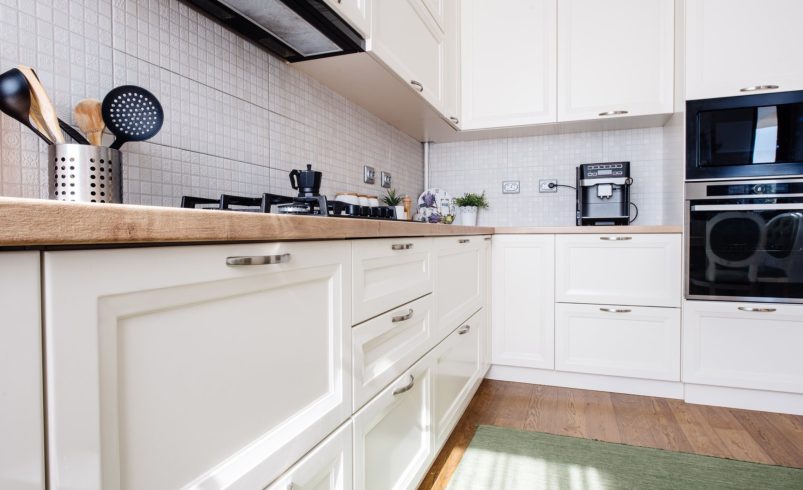

Updating your kitchen cabinets can dramatically enhance your home’s aesthetic and value. Two popular options are cabinet resurfacing and painting. While both can refresh your kitchen, the right choice depends on your budget, desired finish, and the condition of your cabinets. This guide compares the two methods to help you decide which approach is best for your kitchen.
1. What is Cabinet Painting?
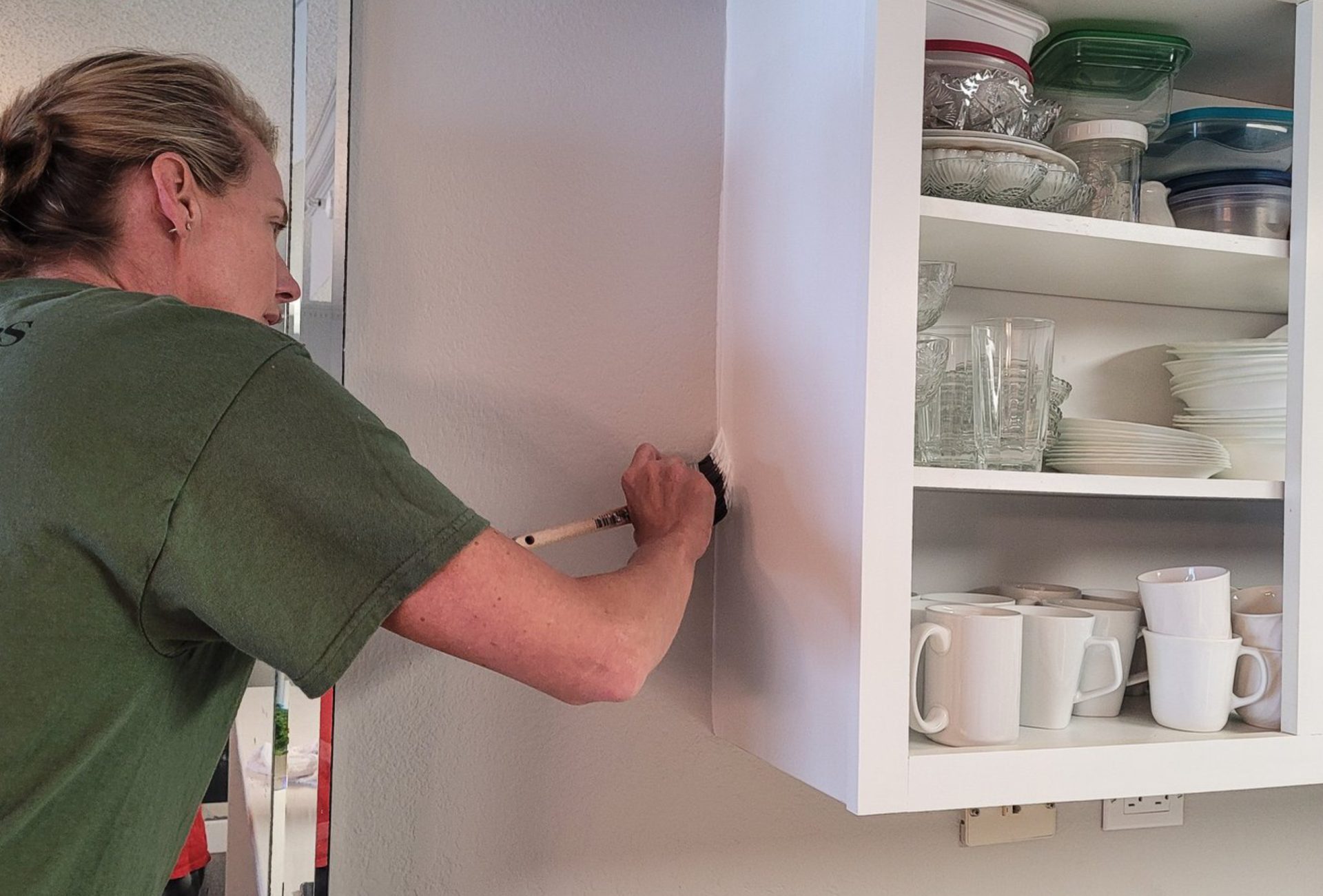
- Painting involves applying a new coat of paint over your existing cabinets.
- Typically requires cleaning, sanding, priming, and painting the surfaces.
- Can be done in a wide variety of colors and finishes, including matte, satin, and high gloss.
Pro Tip: Painting works best for cabinets that are structurally sound but visually outdated.
2. What is Cabinet Resurfacing?
- Resurfacing involves covering the existing cabinet surfaces with a new layer, such as veneer, laminate, or thermofoil.
- Can include replacing doors, drawer fronts, and hardware while keeping the cabinet frames intact.
- Provides a completely new surface and texture, creating the appearance of brand-new cabinets.
Pro Tip: Resurfacing is ideal for cabinets with worn finishes, scratches, or minor structural issues.
3. Cost Comparison
- Painting: Usually more affordable; requires paint, primer, and labor (if professional).
- Resurfacing: Higher upfront cost due to materials and replacement of doors or panels.
- Long-Term Value: Resurfacing can last longer and requires less maintenance than painted surfaces that may chip over time.
Pro Tip: Factor in labor costs and durability when comparing long-term investment vs. upfront savings.
4. Time and Effort
- Painting: Can be time-consuming due to prep, multiple coats, and drying times.
- Resurfacing: Faster turnaround if using prefabricated surfaces or replacement panels.
- DIY Feasibility: Painting is more DIY-friendly, while resurfacing often requires professional installation for best results.
Pro Tip: Consider your available time, skill level, and willingness to do hands-on work before deciding.
5. Aesthetic Options
- Painting: Offers unlimited color choices and can include techniques like distressing, glazing, or two-tone finishes.
- Resurfacing: Provides modern textures like wood veneer, laminate, and high-gloss finishes that may be difficult to achieve with paint alone.
- Customization: Both methods allow some level of customization, but resurfacing offers a more uniform and professional look for modern kitchens.
Pro Tip: Choose the option that aligns with your kitchen style—traditional, contemporary, or luxury.
6. Durability and Maintenance
- Painted Cabinets: Susceptible to scratches, chips, and discoloration over time; may require touch-ups every few years.
- Resurfaced Cabinets: More resistant to wear and moisture; long-lasting with minimal maintenance.
- Cleaning: Both require gentle cleaning; resurfaced cabinets handle frequent wiping better than painted surfaces.
Pro Tip: If your kitchen sees heavy use, resurfacing may provide better long-term durability.
7. Environmental Considerations
- Painting: Generates less waste but may include VOCs depending on paint type.
- Resurfacing: Uses more materials and may involve disposal of old cabinet surfaces.
- Eco-Friendly Options: Low-VOC paints and sustainable veneers minimize environmental impact.
Pro Tip: Consider green-friendly materials and finishes if environmental impact is important.
8. When to Choose Painting
- Cabinets are structurally sound with minor cosmetic issues.
- Budget is limited, and DIY is preferred.
- Desire for a wide variety of color options and creative finishes.
Pro Tip: Painting is ideal for giving old cabinets a fresh look without replacing them entirely.
9. When to Choose Resurfacing
- Cabinets have worn finishes, scratches, or minor damage.
- You want a modern, uniform look that lasts longer than paint.
- Willing to invest more upfront for professional-quality results.
Pro Tip: Resurfacing offers a near-new cabinet appearance without a full kitchen remodel.
10. Combining Both Methods
- Some homeowners paint cabinet frames while resurfacing doors for a hybrid approach.
- This allows customization while controlling costs and updating the kitchen efficiently.
Pro Tip: Hybrid solutions are perfect when some cabinets are in good condition and others need more extensive updates.
Conclusion
Choosing between cabinet painting and resurfacing depends on your kitchen’s condition, budget, style preferences, and desired durability. Painting is affordable and customizable, while resurfacing provides long-lasting, modern finishes with minimal maintenance. For expert advice, professional application, and flawless results, Chicagoland Paint Pro offers both painting and resurfacing services to transform your kitchen beautifully.