



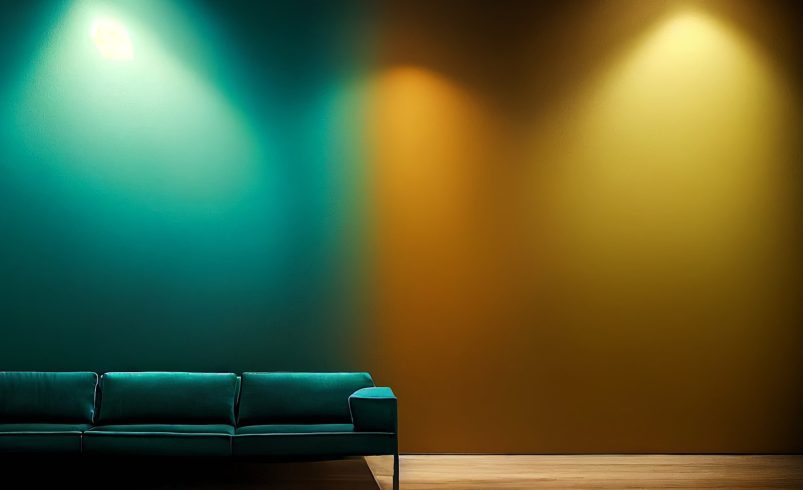

Lighting can completely transform the look of a painted wall. The right lighting enhances your paint’s true color, highlights architectural features, and creates a warm, inviting atmosphere. Conversely, poor lighting can make colors look dull, washed out, or harsh. Understanding how to use natural and artificial light effectively ensures your walls always look their best.
1. Maximize Natural Light
- Positioning: Keep windows unobstructed to let in as much daylight as possible.
- Window Treatments: Use light, sheer curtains to diffuse sunlight without blocking it.
- Light Colors: Pale or neutral wall colors reflect natural light, making rooms feel larger and brighter.
Pro Tip: Test paint samples near windows to see how sunlight changes the shade throughout the day.
2. Select the Right Artificial Lighting
- Incandescent Bulbs: Warm, yellow-toned light enhances warm wall colors like beige, cream, or soft yellow.
- Fluorescent Bulbs: Cool, bluish light can make warm colors appear washed out; ideal for functional areas like kitchens or laundry rooms.
- LED Bulbs: Offer flexible options with adjustable color temperature to match natural light or your room’s mood.
Pro Tip: Use bulbs labeled “daylight” (5000–6500K) for a balanced, natural look that shows true paint color.
3. Layer Lighting for Depth
- Ambient Lighting: Ceiling fixtures provide general illumination.
- Task Lighting: Desk lamps, under-cabinet lights, or reading lights brighten workspaces without affecting overall color perception.
- Accent Lighting: Wall sconces, spotlights, or uplights highlight features and create visual interest.
Pro Tip: Layered lighting ensures paint colors look consistent and flattering throughout the day and night.
4. Consider Color Placement
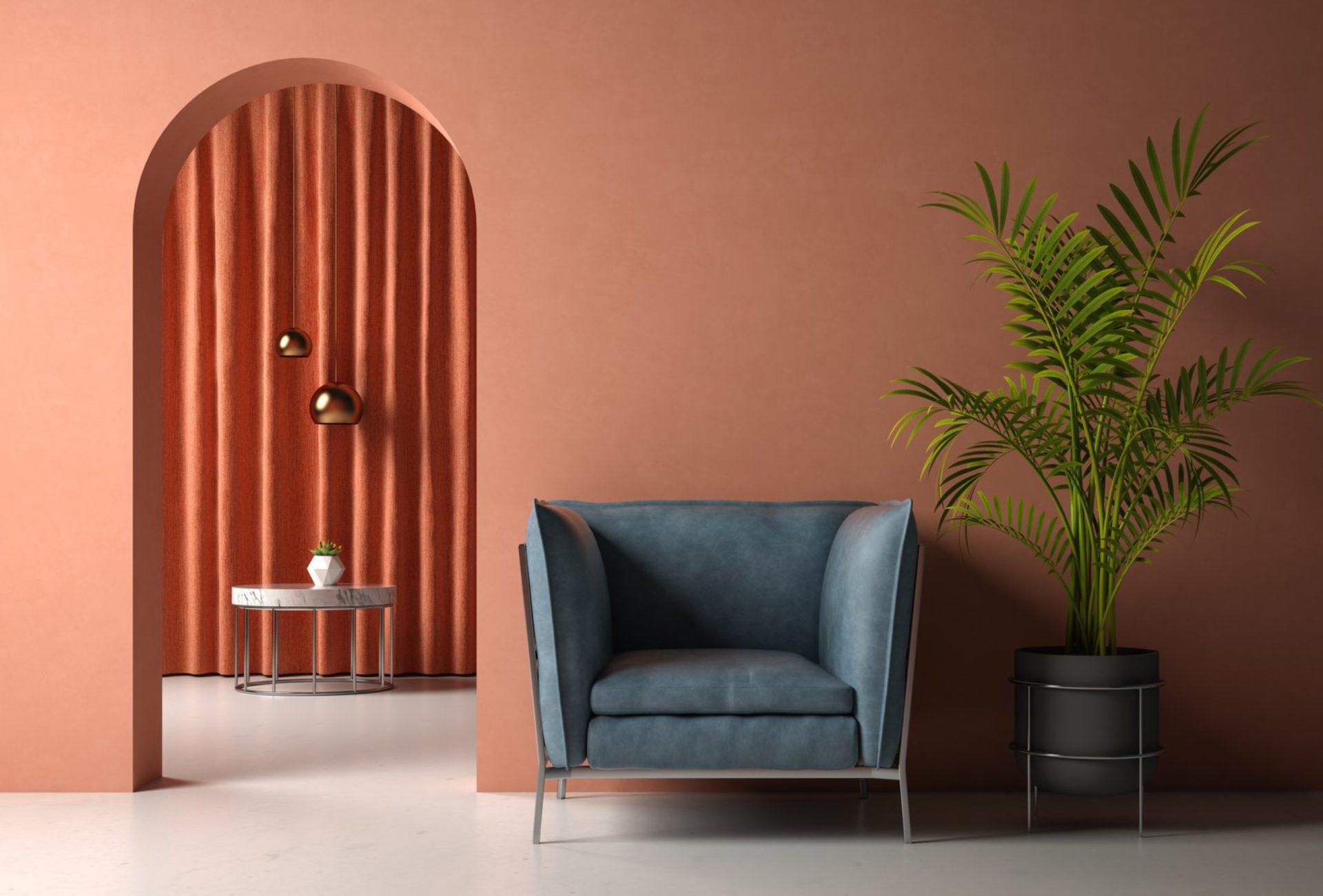
- Accent Walls: Use lighting to enhance deep or bold colors; place light fixtures to avoid creating shadows.
- High-Traffic Areas: Choose lighter shades or semi-gloss finishes to prevent color from appearing dull under harsh lighting.
- Small Rooms: Light colors reflect more light, making compact spaces feel airy and open.
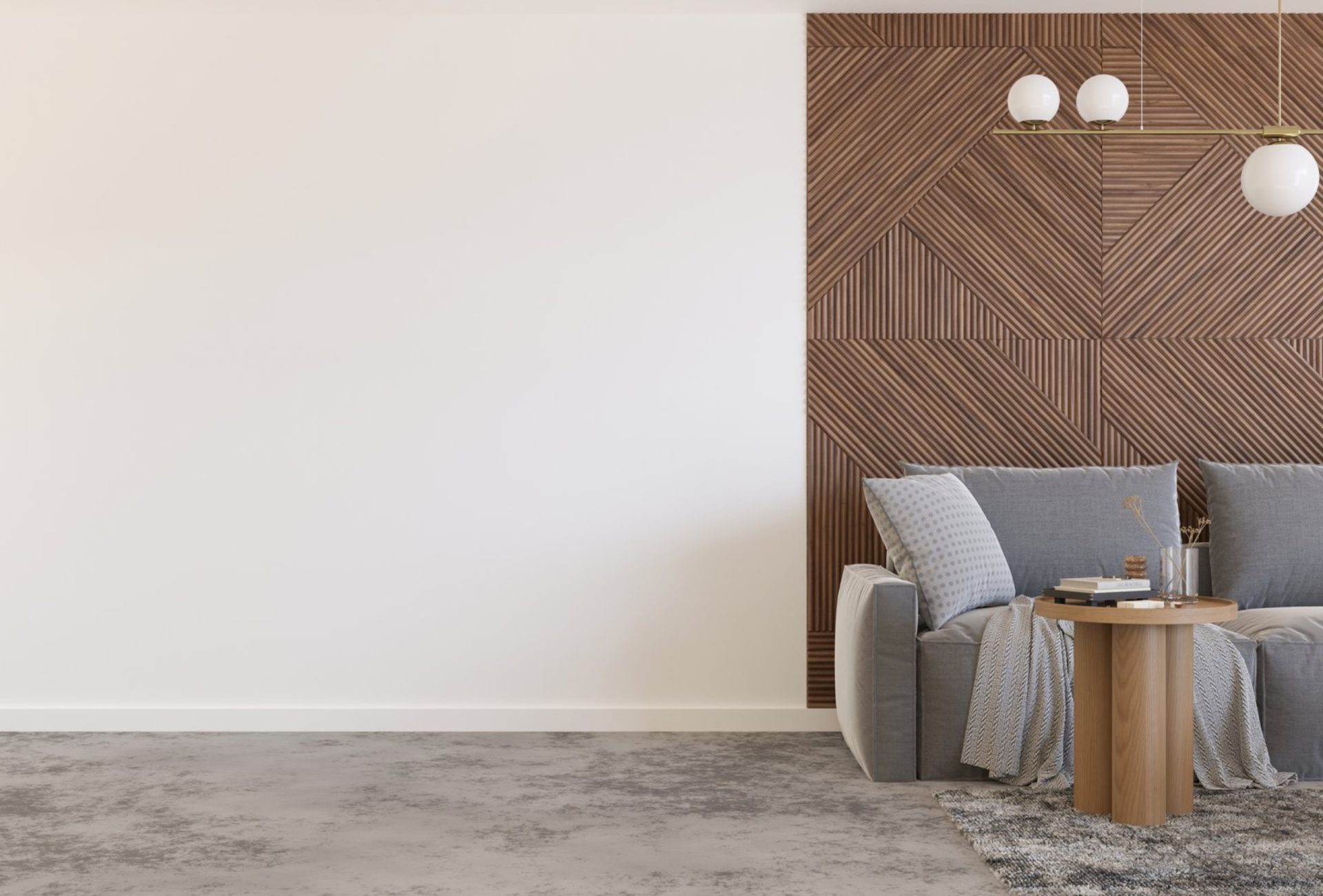
Pro Tip: Highlight textured walls or architectural details with directional lighting to create depth and visual appeal.
5. Use Reflective Surfaces
- Mirrors, glass, and metallic finishes amplify natural and artificial light, enhancing wall colors.
- Glossy paint finishes reflect light and brighten darker rooms, while matte finishes absorb light for subtle sophistication.
Pro Tip: Position reflective surfaces opposite windows or light sources for maximum effect.
6. Adjust for Seasonal Light Changes
- Winter: Lower light levels may require warmer wall colors or brighter artificial lighting.
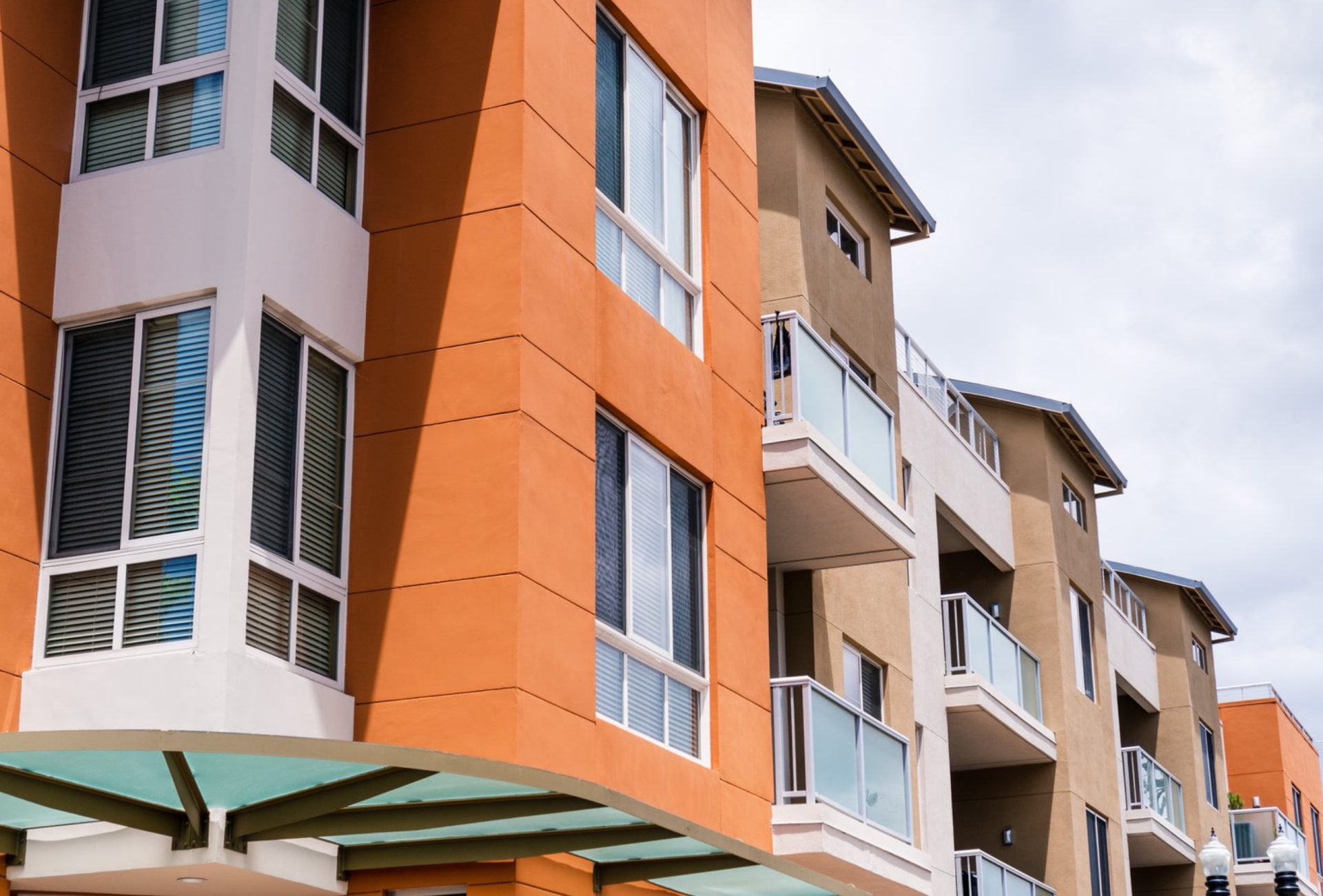
- Summer: Abundant sunlight can make colors appear more vibrant; consider softer shades or UV-protective paints for exteriors.
Pro Tip: Seasonal lighting adjustments help maintain your home’s aesthetic year-round.
7. Test and Observe
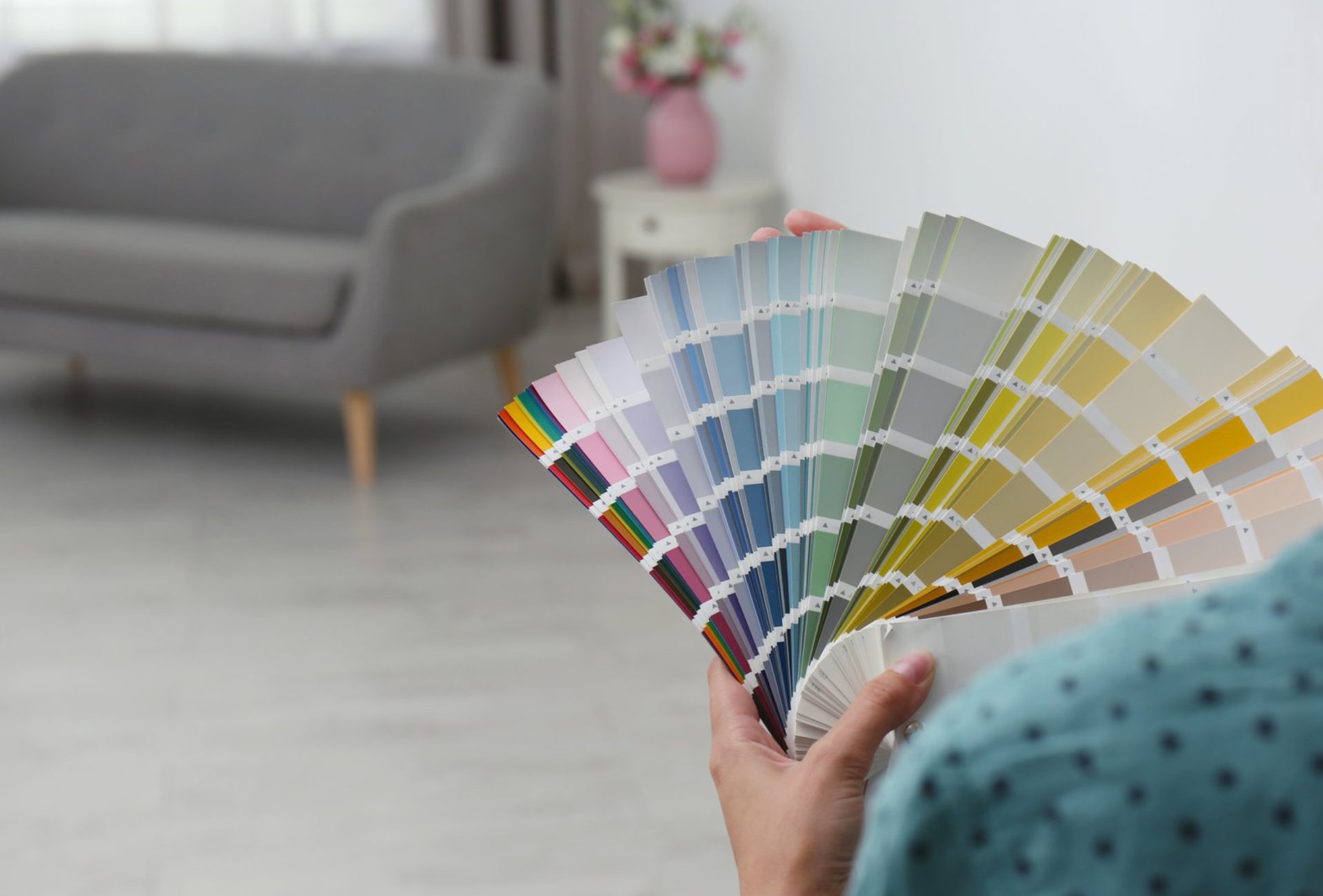
- Paint large swatches and observe under:
- Morning sunlight
- Afternoon sunlight
- Evening artificial lighting
- Take note of undertones and how colors shift throughout the day.
Pro Tip: Small adjustments in lighting or paint selection can dramatically improve room harmony.
8. Professional Guidance
- Color experts help predict how light interacts with wall colors.
- They can recommend finishes, placement, and lighting arrangements for consistent, flattering results.
- Chicagoland Paint Pro provides tailored advice and professional painting services to ensure your Chicago home looks stunning under any lighting condition.
Conclusion
Lighting is a powerful tool that influences how paint colors appear in your home. By maximizing natural light, layering artificial lighting, using reflective surfaces, and considering seasonal changes, you can ensure walls look vibrant, flattering, and perfectly balanced. With professional guidance from Chicagoland Paint Pro, you can select and apply colors that enhance your space, complement your décor, and shine beautifully in every light.