




Painting kitchen cabinets is one of the most effective ways to transform a kitchen without a full remodel. However, the cost of cabinet painting isn’t fixed—two of the biggest factors that influence pricing are cabinet size and the amount of preparation required. Understanding these elements helps homeowners plan their budget wisely while achieving professional results.
Why Size Matters in Cabinet Painting
The size of your kitchen cabinets is a key determinant of cost because it directly impacts:
- Amount of Paint Needed: Larger cabinets require more gallons of paint.
- Labor Time: More doors, drawers, and frames take longer to prep and paint.
- Equipment Needs: Taller or bulkier cabinets may require scaffolding or lifts.
Even small differences in cabinet count or dimensions can significantly affect the overall cost.
Typical Kitchen Cabinet Sizes:
| Kitchen Size | Number of Cabinets | Approximate Cost Range |
|---|---|---|
| Small Kitchen | 10–15 | $1,500 – $3,000 |
| Medium Kitchen | 15–25 | $3,000 – $6,000 |
| Large Kitchen | 25+ | $6,000 – $10,000+ |
These estimates reflect typical pricing in Chicagoland for 2026.
Cabinet Configuration and Complexity
Not all cabinets are created equal. Several aspects of cabinet design influence labor and pricing:
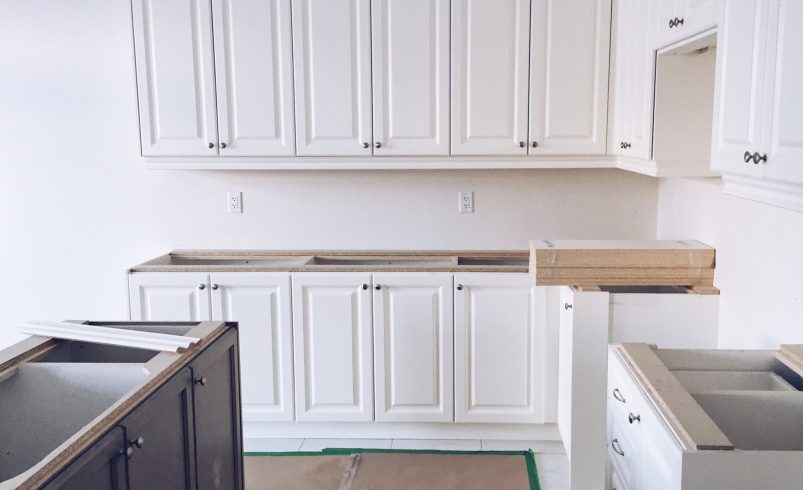
- Flat-Panel Cabinets: Easier and faster to paint; lower cost.
- Raised or Recessed Panels: Require careful attention, adding time and cost.
- Glass Inserts or Decorative Molding: Extra prep and masking needed.
- Custom or Oversized Cabinets: More material and labor intensive.
Complex cabinet designs can increase painting costs by 20–30%, but the finished result is usually worth the investment.
Preparation: The Foundation of Quality
Proper preparation is critical to achieving a long-lasting, professional finish. Skipping prep can lead to peeling, uneven coats, or premature wear, resulting in higher long-term costs.
Key Preparation Steps:
- Cleaning: Remove grease, dust, and grime for paint adhesion.
- Sanding: Smooths surfaces and ensures primer and paint stick.
- Repairs: Fill scratches, dents, or cracks for a flawless finish.
- Priming: Necessary for certain paint types or color changes.
- Hardware Removal and Masking: Ensures clean lines and prevents overspray.
Each step requires time, skill, and materials, which affects the total project price.
How Cabinet Size Impacts Prep Work
Larger cabinets don’t just require more paint—they also demand more preparation:
- More Surfaces to Sand and Clean: Each door and drawer must be treated individually.
- Increased Hardware Removal: More knobs, hinges, and pulls to remove and reinstall.
- More Masking: Protecting countertops, floors, and walls is more labor-intensive.
As a result, prep time scales with size, making it a significant cost factor.
Paint Type and Coverage Considerations
Different paints require different levels of prep:
- Premium Cabinet Paint: Designed for adhesion and durability but often requires priming.
- Standard Latex Paint: May need additional sanding and multiple coats.
- Spray vs Brush Application: Spray can save time on large surfaces but may require extra masking.
Selecting the right paint balances coverage, durability, and overall cost.
Labor Costs: Time Is Money
Labor is a major portion of cabinet painting costs. Prep time significantly impacts labor:
- Small Kitchens: 1–2 days of work
- Medium Kitchens: 2–4 days
- Large Kitchens: 4–7 days
More prep work or complex cabinet layouts increase labor costs, but they ensure long-lasting and professional-quality results.
DIY Prep: How It Can Reduce Costs
Homeowners can reduce professional labor costs by handling simple prep tasks themselves:
- Cleaning surfaces thoroughly
- Removing cabinet doors and hardware
- Moving appliances or furniture
- Masking countertops and floors
Even partial DIY prep can reduce costs without compromising the quality of the final paint finish.
Hidden Factors That Influence Costs
Several other size and prep-related factors can affect pricing:
- Number of Drawers vs Doors: Drawers require separate sanding and painting.
- Cabinet Depth and Height: Taller or deeper cabinets use more paint and take longer to prep.
- Accessibility: Tight corners or overhead cabinets increase difficulty.
- Surface Damage: Extensive scratches, dents, or water damage increase prep and repair costs.
Awareness of these factors allows for more accurate budgeting.
Budgeting Tips Based on Size and Prep
- Measure Cabinets Accurately: Count doors, drawers, and panels.
- Assess Condition: Identify areas needing repairs or extensive prep.
- Plan for Multiple Coats: Especially when changing from dark to light colors.
- Compare Quotes: Ensure estimates account for prep work and paint quality.
- Prioritize Key Areas: Focus resources on high-visibility areas first.
A detailed assessment helps avoid surprises and keeps your project within budget.
Chicagoland Paint Pro Advantage
At Chicagoland Paint Pro, we specialize in accurate cost estimation based on cabinet size and prep requirements:
- Professional Assessment: Determine prep needs and potential repairs.
- Custom Pricing: Tailored estimates based on kitchen layout and complexity.
- Expert Application: Ensures smooth, long-lasting finishes.
- Efficient Project Management: Reduce downtime and overall cost.
We make cabinet painting affordable, predictable, and high-quality, regardless of kitchen size.
Conclusion
Cabinet painting costs are influenced heavily by size and preparation requirements. Larger kitchens and detailed cabinet designs require more labor, prep, and paint, which naturally raises expenses. Proper assessment and preparation, along with the expertise of a professional team like Chicagoland Paint Pro, ensure a beautiful, durable result without unnecessary costs.
By understanding these factors, homeowners can budget effectively, avoid surprises, and achieve a stunning kitchen transformation.