


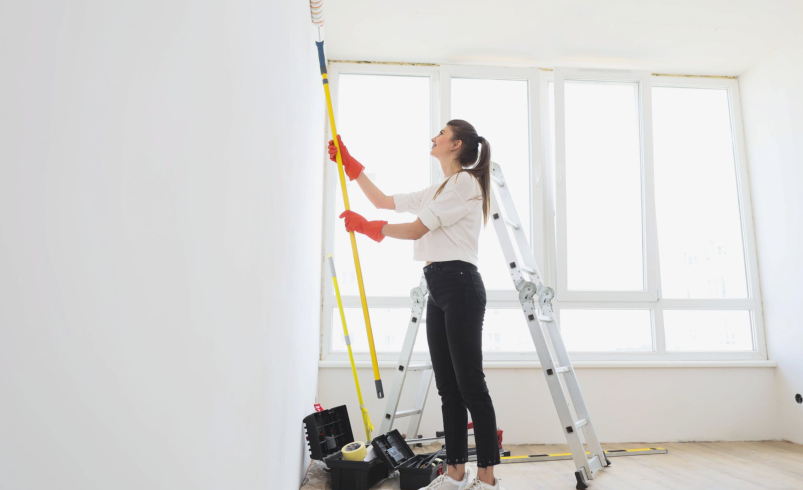

When planning an apartment painting project, understanding the impact of apartment size and wall preparation on costs is essential for budgeting and achieving professional results. For landlords, property managers, and tenants in Chicagoland, knowing how these factors influence painting prices can help you save money while ensuring a high-quality finish.
This guide breaks down how size, prep work, and other considerations affect costs and provides tips for efficient, cost-effective painting.
1. The Role of Apartment Size in Painting Costs
The size of an apartment directly influences the amount of paint, labor, and time required:
Small Apartments (Studios, 400–600 sq ft)
- Usually require less paint and fewer labor hours
- Simple prep—minor patching or cleaning—keeps costs low
- Ideal for landlords or tenants on a tight budget
Estimated cost: $200–$600 per unit
Medium Apartments (1–2 Bedrooms, 600–1,000 sq ft)
- Requires more paint and labor than studios
- Wall prep may include patching minor holes or cracks
- Budget should account for two coats of paint for even coverage
Estimated cost: $400–$1,000 per unit
Large Apartments (3–4 Bedrooms, 1,000–1,500 sq ft)
- Larger wall surfaces increase both material and labor costs
- Additional prep: ceiling touch-ups, baseboards, or trim painting
- May require scaffolding or ladders for high ceilings
Estimated cost: $800–$2,000+
Luxury or High-End Apartments
- Multiple rooms, specialty finishes, or accent walls increase costs
- Prep may include wall repairs, priming, and moisture protection
- Labor-intensive projects require professional painting crews
Estimated cost: $2,000+ depending on size and complexity
2. Why Wall Preparation Matters
Proper wall preparation is critical for a smooth, long-lasting paint job. Skipping prep may save money initially but can lead to peeling, uneven coverage, and costly touch-ups.
Key Prep Steps
- Cleaning Walls
- Removes dirt, grease, and dust
- Ensures paint adheres properly
- Patching Holes and Cracks
- Spackle or joint compound for dents, nail holes, or cracks
- Smooth sanding after drying
- Priming
- Essential for walls with stains, color changes, or repairs
- Improves coverage and reduces the number of paint coats
- Sanding
- Ensures walls are smooth
- Improves paint adhesion, especially for glossy surfaces
Impact on Costs: Prep work may add $50–$200+ per unit, depending on the amount of patching and priming required.
3. How Prep Affects Labor Costs
Labor costs are heavily influenced by wall condition:
- Well-maintained walls: Less labor, lower cost
- Damaged walls: Extra time for patching, sanding, and priming
- High ceilings or textured surfaces: Requires additional labor
Professional painters often charge by the hour or per square foot, so better-prepared walls reduce overall labor costs.
4. Paint Quantity and Application
The size of the apartment also determines how much paint you’ll need:
- Small apartments: 1–2 gallons
- Medium apartments: 2–4 gallons
- Large apartments: 4–8 gallons
Additional coats increase material costs and labor hours. Proper prep reduces the need for multiple coats, saving money.
5. Tips for Cost-Effective Apartment Painting
- Assess wall condition first: Identify repairs before painting
- Use neutral, pre-mixed paint: Saves time and prevents mistakes
- Plan for multi-unit projects: Painting several apartments together reduces labor per unit
- DIY minor touch-ups: Small repairs can be handled in-house before professional painting
- Hire experienced painters: Proper prep reduces paint waste, mistakes, and touch-ups
6. Chicagoland Paint Pro Approach
At Chicagoland Paint Pro, we specialize in apartment and rental painting:
- Evaluate apartment size and wall condition to accurately estimate costs
- Complete prep work including patching, sanding, and priming
- Provide professional application for smooth, durable finishes
- Efficient service for multi-unit and turnover projects
Our approach ensures well-prepared walls and lasting results, keeping apartments rental-ready and visually appealing.
7. The Bottom Line
Apartment size and wall preparation are two of the most significant factors affecting painting costs:
- Larger apartments require more paint and labor
- Poorly prepared walls increase material and labor costs
- Efficient prep and professional techniques reduce long-term expenses
By planning for size and prep in advance, landlords and property managers can budget accurately, minimize surprises, and maintain high-quality apartments.
Conclusion
Apartment painting costs are not just about paint and labor—they also depend heavily on unit size and wall preparation.
For rental properties in Chicagoland, thorough prep work, proper paint selection, and professional application ensure cost-effective, durable, and visually appealing results. Whether for a single unit or multiple apartments, understanding these factors is key to budgeting efficiently and maximizing property value.
With Chicagoland Paint Pro, you get expert guidance, professional service, and quality finishes that make every apartment move-in ready and attractive to tenants.