





Apartment living often comes with unique painting challenges. Renters need temporary solutions that comply with lease agreements, while owners or long-term tenants may consider permanent upgrades for aesthetics and value. Choosing the right approach ensures you can refresh your apartment without damaging walls, violating rules, or overspending.
This guide explores the differences between temporary and permanent painting solutions, helping apartment dwellers make smart, stylish choices.
1. Why Apartment Painting Matters
- Enhances Living Space: Even small apartments can feel vibrant and spacious with the right colors.
- Expresses Personal Style: Paint allows residents to personalize their environment.
- Adds Value: For owners, well-chosen permanent paint can improve resale or rental appeal.
- Complies with Rules: For renters, temporary solutions ensure no penalties when moving out.
Chicagoland Paint Pro Tip: Knowing your lease agreement and HOA rules is crucial before starting any painting project.
2. Temporary Painting Solutions for Renters
Removable Wallpaper and Paints
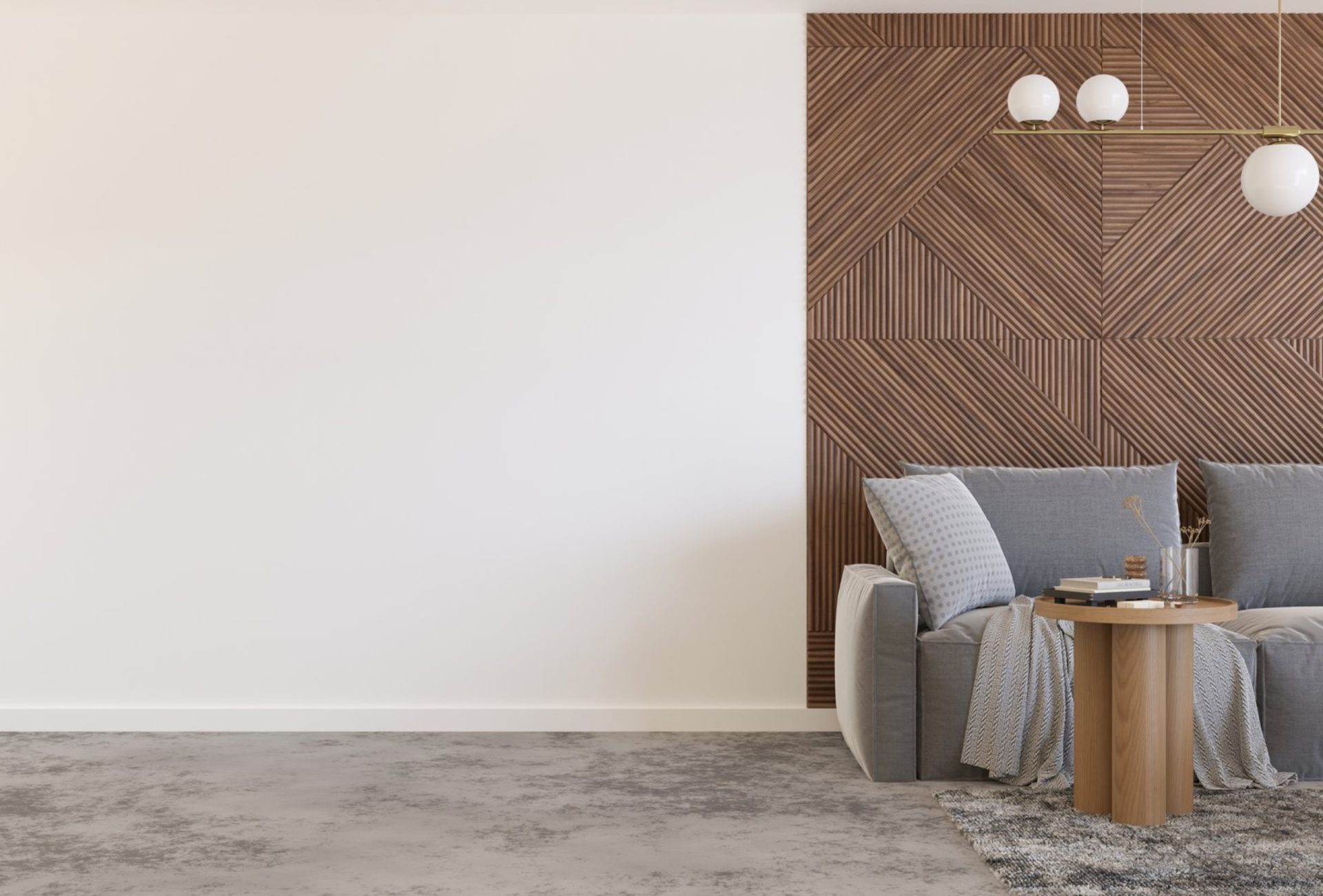
- Peel-and-Stick Wallpaper: Easy to install, remove, and available in patterns or textures.
- Removable Wall Decals: Ideal for accent walls or adding focal points.
- Temporary Paints: Some brands offer washable or peelable paints that won’t damage walls.
Tips for Temporary Solutions
- Test a small area first to ensure no residue is left behind.
- Stick to one wall or section to create visual interest without overwhelming.
- Combine neutral backgrounds with bold temporary accents for maximum effect.
3. Permanent Painting Solutions
Permanent painting is ideal for owners or long-term tenants who want a lasting transformation.
Advantages
- Smooth, durable finish
- Wide range of colors and textures
- Enhances property value
Choosing the Right Paint
- Eggshell or Satin: Ideal for walls in high-traffic areas
- Semi-Gloss: Great for trims, doors, and kitchens
- Low-VOC Paints: Safe for indoor air quality and modern apartments
Pro Tip: Prepare walls thoroughly by cleaning and patching holes for professional results.
4. Wall Preparation for Apartment Painting
Even temporary solutions benefit from proper prep:
- Remove dust, dirt, and grease
- Fill minor holes or cracks with putty
- Sand rough surfaces lightly
- Protect floors and furniture with drop cloths
5. Choosing Colors for Apartments
- Light Neutrals: Make small spaces appear larger and brighter
- Bold Accents: Use one wall or section to add personality
- Cohesive Schemes: Maintain a consistent palette across open-concept apartments
Chicagoland Paint Pro Tip: Test samples under different lighting conditions to see how colors change throughout the day.
6. Tools and Techniques
- Rollers: Fast coverage for large walls
- Brushes: Detail work for trim, corners, and edges
- Painter’s Tape: Ensures clean lines for accent walls or edges
- Drop Cloths: Protect flooring and furniture
7. Temporary vs Permanent: Pros and Cons
| Solution Type | Pros | Cons |
|---|---|---|
| Temporary | Removable, renter-friendly, flexible | Limited durability, smaller color range |
| Permanent | Long-lasting, wide color choices, adds value | Requires prep, cleanup, and more effort |
Pro Tip: Renters may combine temporary and permanent solutions—e.g., neutral base with removable accents.
8. Common Mistakes to Avoid
- Using strong adhesives that damage walls
- Choosing dark colors in small apartments
- Skipping prep work
- Ignoring lighting or room layout
- Overusing temporary solutions in multiple rooms
9. Final Thoughts
Apartment painting doesn’t have to be stressful. By understanding temporary and permanent options, residents can create a personalized, stylish space that fits their living situation. Renters benefit from flexible, removable solutions, while owners can invest in long-term improvements that enhance aesthetics and value.
Planning, prepping, and selecting the right colors and finishes ensures your apartment reflects your style without compromising rules or durability.