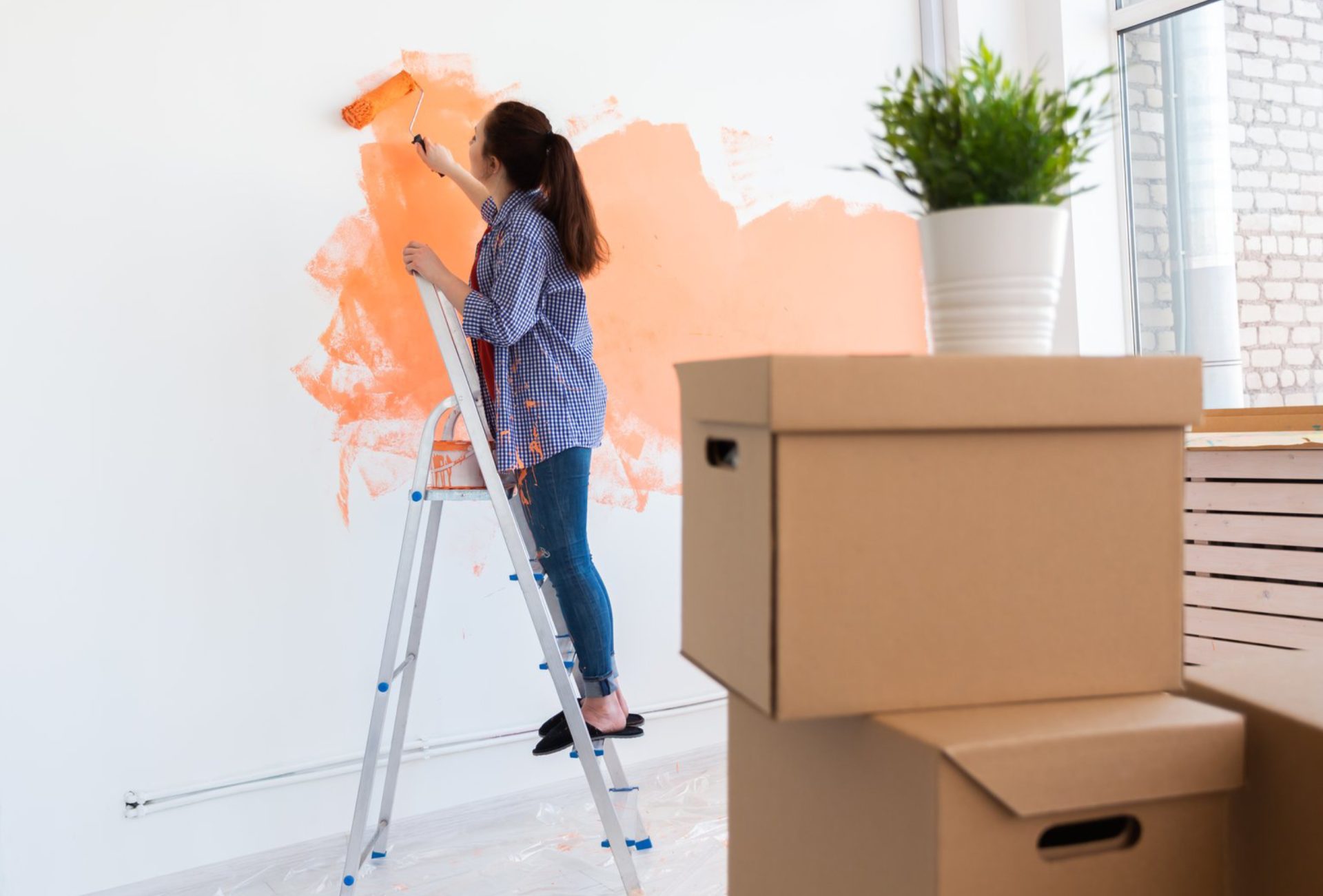

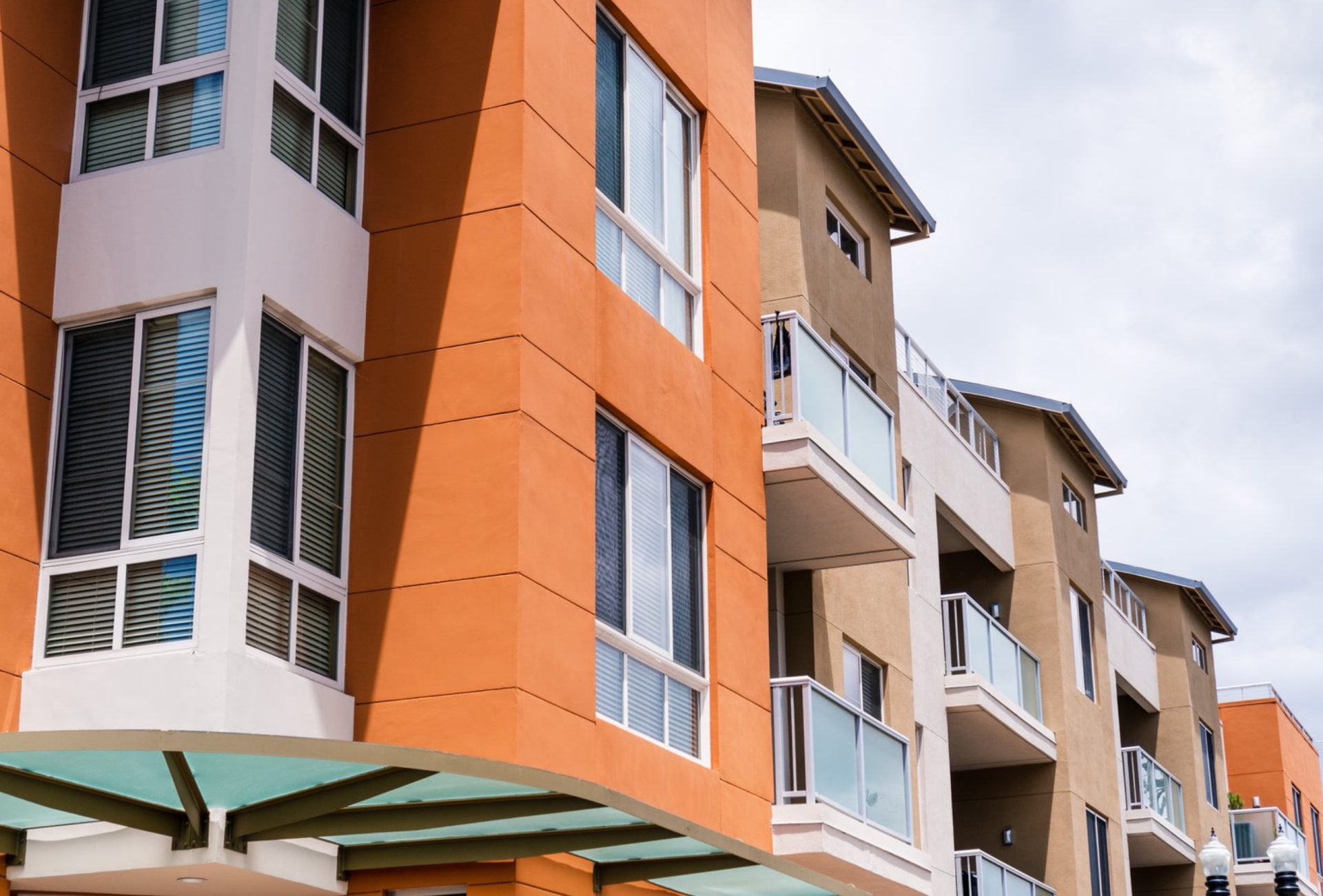
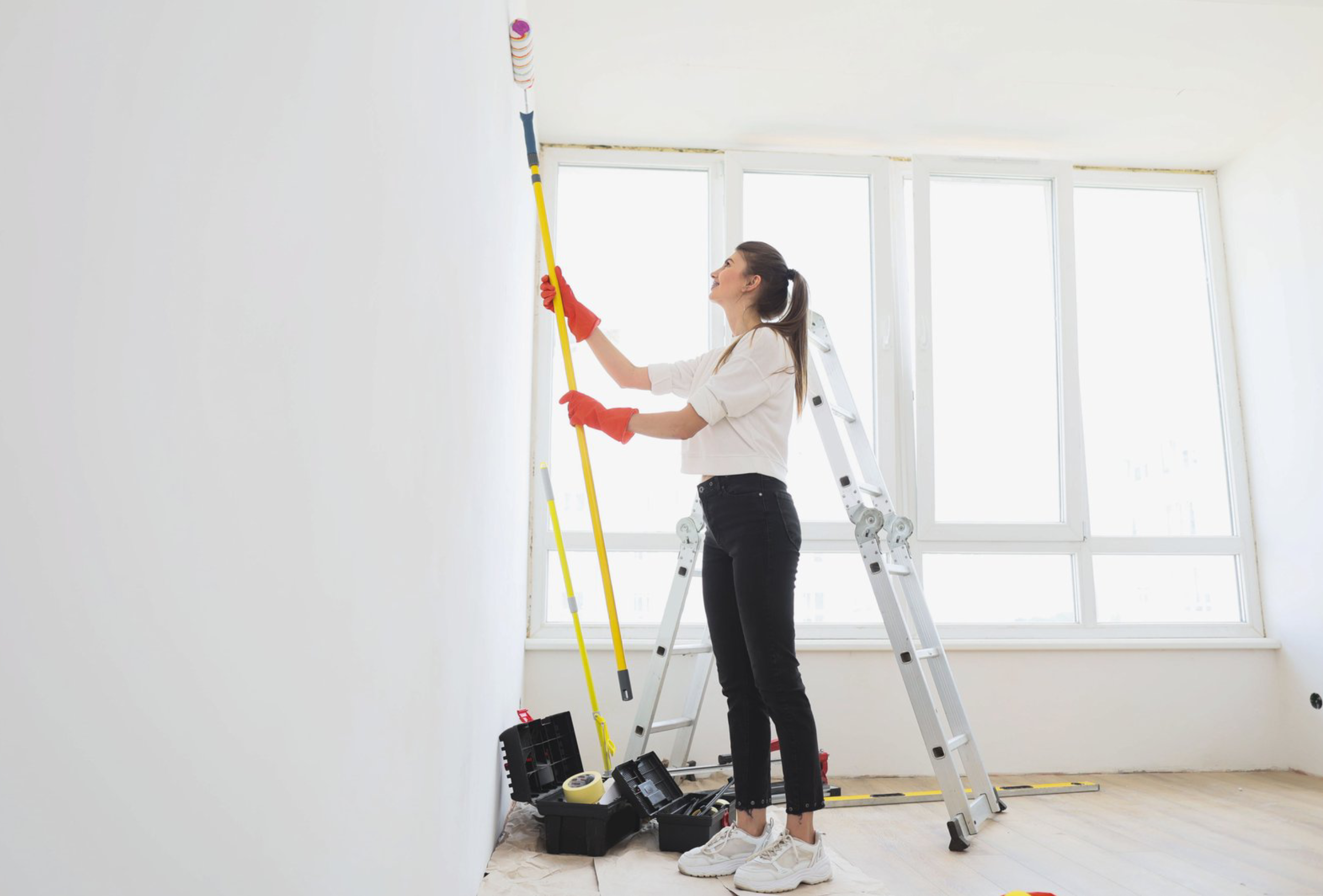


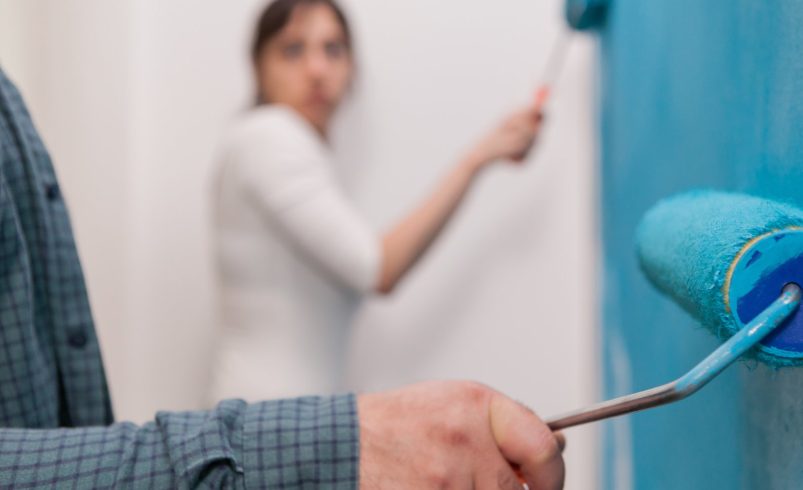

Painting a condo association’s buildings—both interiors and exteriors—is a significant undertaking. Proper planning, high-quality materials, and professional execution are critical to maintaining property value, satisfying residents, and ensuring long-lasting results. Condo associations face unique challenges, including coordinating multiple stakeholders, complying with standards, and minimizing disruption to residents.
This guide provides expert tips for condo association painting projects, helping boards and property managers achieve a professional, durable finish.
Why Condo Association Painting Is Important
- Preserves Property Value: Regular painting protects surfaces from damage, decay, and weathering, maintaining aesthetics and investment value.
- Enhances Curb Appeal: Uniform, attractive exteriors and interiors contribute to a positive impression for residents and visitors.
- Extends Paint Longevity: Proper prep work, quality paint, and expert application reduce the frequency of repainting.
- Ensures Compliance: Condo boards must adhere to architectural guidelines, HOA regulations, and safety codes.
Step 1: Assess Your Painting Needs
- Interior vs. Exterior:
- Interiors: Hallways, lobbies, unit interiors, and shared spaces like gyms or lounges.
- Exteriors: Building facades, balconies, trim, doors, and communal structures.
- Inspect Surfaces:
- Look for peeling paint, cracks, water damage, or mold.
- Identify areas needing repair or replacement before painting begins.
- Prioritize Areas:
- Focus on high-traffic spaces and exterior surfaces most exposed to weather first.
A thorough assessment informs budgeting, scheduling, and resource allocation.
Step 2: Engage Stakeholders Early
- Board Approval: Present color palettes, paint types, and project schedules for official approval.
- Resident Communication: Notify residents about painting schedules, access requirements, and temporary inconveniences.
- Professional Consultation: Hiring a color consultant or painting contractor can help align choices with community aesthetics and standards.
Clear communication ensures buy-in and minimizes conflicts during the project.
Step 3: Choose the Right Paint
- Interior Paint:
- Use durable, washable finishes in high-traffic areas, such as semi-gloss or satin.
- Flat or eggshell finishes can work in low-traffic areas for a smooth look.
- Exterior Paint:
- Choose weather-resistant, UV-protected, and fade-resistant paints suitable for Chicago’s climate.
- Acrylic latex paints are ideal for siding, stucco, and trim.
- Consistency Across Units:
- Standardize colors and finishes to simplify touch-ups and future maintenance.
Step 4: Surface Preparation Tips
Proper prep ensures paint adheres and lasts:
- Clean Surfaces: Remove dirt, mildew, grease, or loose paint using power washing or scrubbing.
- Repair Damage: Patch holes, fix cracks, replace damaged trim, and address water damage before painting.
- Prime Surfaces: Use primer on repaired or bare surfaces for improved adhesion and uniform finish.
- Protect Non-Painted Areas: Cover flooring, landscaping, and fixtures to prevent accidental spills.
Step 5: Plan a Phased Schedule
- Divide the Project: Break painting into phases (by building, floor, or section) to manage workflow efficiently.
- Coordinate with Residents: Avoid painting all units simultaneously; schedule based on access and minimal disruption.
- Allow Adequate Drying Time: Proper curing prevents peeling and ensures a smooth, durable finish.
- Monitor Progress: Inspect each phase for uniformity, coverage, and quality before proceeding.
Step 6: Maintain Compliance and Standards
- Adhere to Condo Regulations: Ensure paint type, colors, and procedures comply with the condo association’s rules.
- Respect Architectural Features: Preserve trim, moldings, and historical details when painting.
- Use Approved Contractors: Some associations require licensed, insured, and certified painters.
- Document the Project: Record all paint types, colors, and procedures for future reference and touch-ups.
Step 7: Exterior Maintenance Tips
- Regular Inspections: Check exterior paint annually for peeling, fading, or mold growth.
- Preventive Touch-Ups: Address minor issues before they become large-scale problems.
- Protect Against Weather: Trim landscaping away from surfaces, maintain gutters, and seal cracks to prevent water damage.
- Plan for Long-Term Maintenance: Schedule repainting cycles every 5–7 years depending on material and exposure.
Step 8: Interior Maintenance Tips
- Frequent Cleaning: Wash walls and trim regularly to remove dirt, stains, and scuff marks.
- Touch-Up Paint: Keep a small amount of original paint for minor repairs between units.
- High-Traffic Area Protection: Use chair rails, wall guards, or durable finishes in lobbies and hallways.
- Monitor Humidity and Ventilation: Prevent mold growth in damp areas to protect paint longevity.
Chicagoland Paint Pro Expertise
Chicagoland Paint Pro specializes in condo association painting in Chicago:
- Interior and Exterior Painting Services: Efficient, high-quality painting for both units and communal areas.
- Professional Surface Preparation: Ensures paint adheres and lasts longer.
- Color Consultation: Aligns palettes with condo aesthetics and architectural standards.
- Phased Scheduling: Minimizes resident disruption while maintaining quality.
- Maintenance Guidance: Post-project support for touch-ups, inspections, and long-term upkeep.
Partnering with experts ensures condo associations achieve a professional, uniform, and durable finish.
Conclusion
Painting a condo association’s interiors and exteriors is a complex but manageable task. By assessing surfaces, selecting high-quality paint, adhering to standards, planning phases, and communicating with residents, associations can maintain beautiful, long-lasting results.
With Chicagoland Paint Pro, condo boards benefit from professional expertise, efficient scheduling, superior quality, and maintenance support—ensuring the community remains visually appealing and well-protected for years to come.