

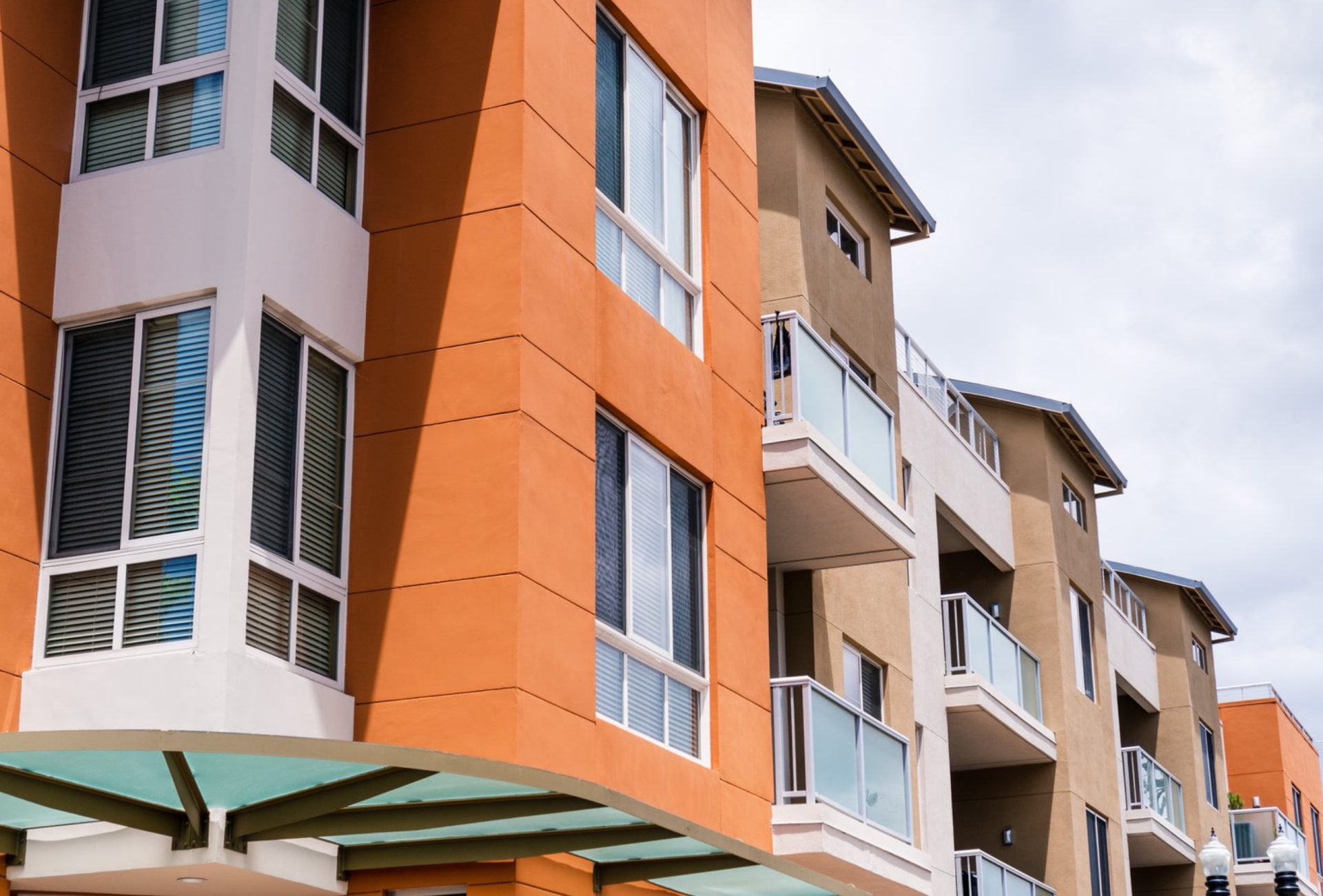





One of the biggest challenges in multi-unit painting projects is achieving color consistency across all units. Whether for apartment complexes, condominiums, or office buildings, inconsistent paint can make a property look unprofessional and reduce its aesthetic appeal. Coordinating colors is essential not only for appearance but also for property value, resident satisfaction, and long-term maintenance.
This guide explores strategies for selecting, implementing, and managing paint colors across multiple units efficiently.
Why Color Coordination Matters in Multi-Unit Properties
- Community Cohesion: Uniform colors create a cohesive look that enhances curb appeal.
- Professional Appearance: Proper coordination conveys attention to detail and quality management.
- Ease of Maintenance: Standardized colors simplify touch-ups and future repainting.
- Tenant Satisfaction: Consistent and appealing color schemes contribute to resident approval.
Step 1: Establish a Color Strategy
- Define Base Colors: Choose a primary color for walls or exteriors that is neutral, versatile, and timeless.
- Select Accent Colors: Use subtle accent colors for doors, trim, or other architectural features to add dimension without overwhelming consistency.
- Standardize Finishes: Decide on the type of finish (satin, semi-gloss, etc.) to maintain uniformity across surfaces.
Step 2: Review HOA or Community Guidelines
Before finalizing colors:
- Ensure all colors comply with CC&Rs (Covenants, Conditions, and Restrictions) if applicable.
- Verify that chosen colors align with architectural style and community aesthetics.
- Consider historical or regional guidelines for older neighborhoods.
Adhering to guidelines prevents disputes and ensures long-term compliance.
Step 3: Use Samples and Mock-Ups
- Test Colors on Surfaces: Paint sample sections on walls, trim, or exterior panels to visualize the final look in real conditions.
- Observe in Different Lighting: Check how colors appear in sunlight, shade, and artificial light.
- Digital Mock-Ups: Use software to simulate multiple units with proposed color schemes to visualize overall coordination.
This step minimizes surprises and ensures residents and managers approve the final palette.
Step 4: Phased Painting for Consistency
- Divide Work by Sections: Painting units in phases helps maintain quality and color consistency.
- Assign Consistent Teams: Keep the same painters on similar surfaces to prevent variation.
- Monitor Materials: Ensure all paint comes from the same batch or manufacturer to avoid subtle color differences.
Phasing reduces mistakes and keeps all units visually aligned.
Step 5: Engage Residents or Stakeholders
- Provide Approved Options: Offer a shortlist of pre-approved colors for residents or board members to choose from.
- Use Surveys or Voting: Engage residents in the decision-making process to improve buy-in.
- Communicate Rationale: Explain durability, maintenance, and aesthetic benefits for chosen colors.
Transparency fosters community support and reduces complaints after painting.
Step 6: Consider Long-Term Durability
- Weather-Resistant Paint: Choose paints that can withstand Chicago’s wind, snow, humidity, and temperature fluctuations.
- Fade-Resistant Formulas: Prevent colors from losing vibrancy over time.
- Easy-to-Maintain Finishes: Semi-gloss or satin surfaces are easier to clean and touch up across multiple units.
Selecting durable paint ensures the color scheme remains consistent for years.
Step 7: Documentation for Future Touch-Ups
- Record Paint Details: Keep track of brand, color codes, batch numbers, and finishes.
- Standardize Procedures: Document surface prep, primer, and coat methods to maintain uniformity in future projects.
- Plan Maintenance Schedule: Schedule touch-ups or repainting phases to preserve color integrity across units.
Proper documentation ensures consistency even if different teams handle future painting.
Common Challenges and How to Overcome Them
- Color Variation Between Batches: Always purchase paint from the same batch or mix large batches at once.
- Surface Differences: Porous, textured, or previously painted surfaces may appear differently; use primer and test patches.
- Tenant Complaints: Communicate timelines, sample tests, and reasons for chosen colors.
- Weather or Light Impact: Test colors under real environmental conditions before finalizing.
Proactive planning addresses these challenges and ensures uniformity.
Chicagoland Paint Pro Expertise
Chicagoland Paint Pro provides specialized services for multi-unit color coordination:
- Professional Color Consultation: Ensures cohesive palettes that comply with guidelines and appeal to residents
- Batch Management: Guarantees color consistency across all units using high-quality paints
- Phased Painting Plans: Efficiently manages multiple units with minimal disruption
- Quality Control: Inspects each unit to ensure consistent coverage, finish, and aesthetics
- Long-Term Maintenance Support: Guidance for touch-ups and future repainting
Our expertise ensures every unit matches perfectly while maximizing durability and community satisfaction.
Conclusion
Coordinating colors across multiple units is essential for a professional, cohesive, and visually appealing community. By following a strategic approach—defining base and accent colors, engaging residents, phasing painting, using durable paints, and documenting all details—property managers and HOA boards can achieve consistent, long-lasting results.
Partnering with Chicagoland Paint Pro ensures multi-unit painting projects are completed efficiently, with color consistency, high-quality finishes, and minimal disruption to residents.