




For property managers and landlords, maintaining rental properties goes beyond tenant satisfaction—it’s about protecting your investment. One of the most effective ways to preserve property value and reduce long-term costs is strategic painting and regular maintenance. Well-maintained paint not only enhances curb appeal but also protects surfaces from wear, weather, and environmental damage.
This guide explains how painting plays a vital role in safeguarding rental properties, maximizing ROI, and keeping tenants happy.
Why Painting Is a Critical Investment
- Preserves Structural Integrity: Properly painted walls and exteriors protect surfaces from moisture, UV damage, and other environmental factors that can cause rot, mold, or corrosion.
- Enhances Aesthetic Appeal: A fresh, consistent paint finish makes properties more attractive to potential tenants, increasing occupancy rates.
- Reduces Maintenance Costs: Preventive painting avoids expensive repairs by addressing minor damage early.
- Supports Tenant Retention: Tenants are more likely to renew leases when properties are clean, well-maintained, and visually appealing.
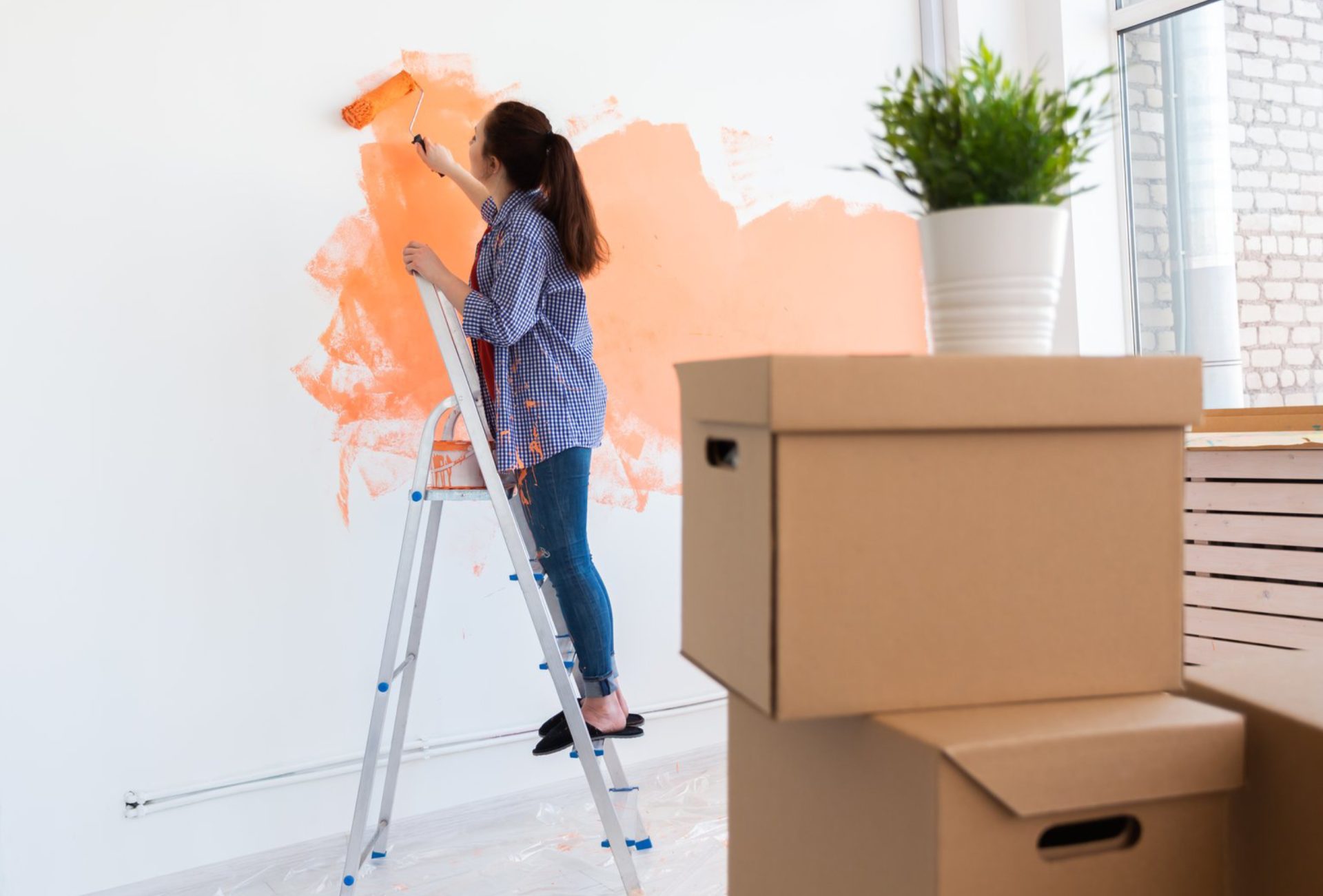
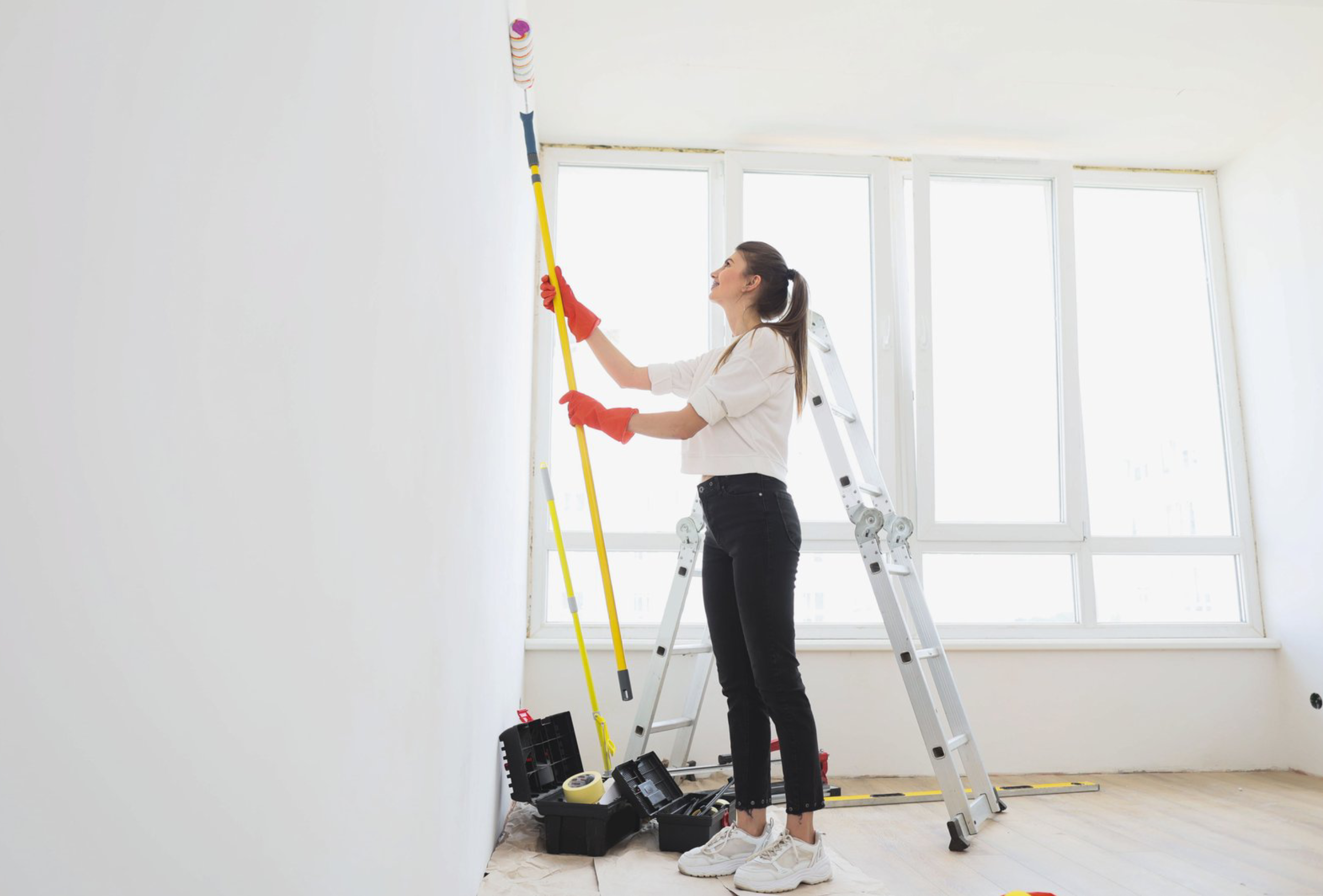
Step 1: Protecting Interiors
- High-Traffic Areas: Corridors, lobbies, stairwells, and shared spaces experience heavy wear. Using durable, washable paints reduces scuffs and keeps interiors looking fresh.
- Unit Interiors: Timely touch-ups of small damages like nail holes, scratches, or stains prevent these minor issues from worsening.
- Moisture-Prone Areas: Kitchens, bathrooms, and laundry areas need moisture-resistant paint to prevent mold growth and deterioration.
- Wall Guards and Chair Rails: Installing protective barriers can reduce damage in common areas, extending the life of paint.
Regular interior painting ensures units stay in pristine condition, protecting the value of the property and the comfort of tenants.
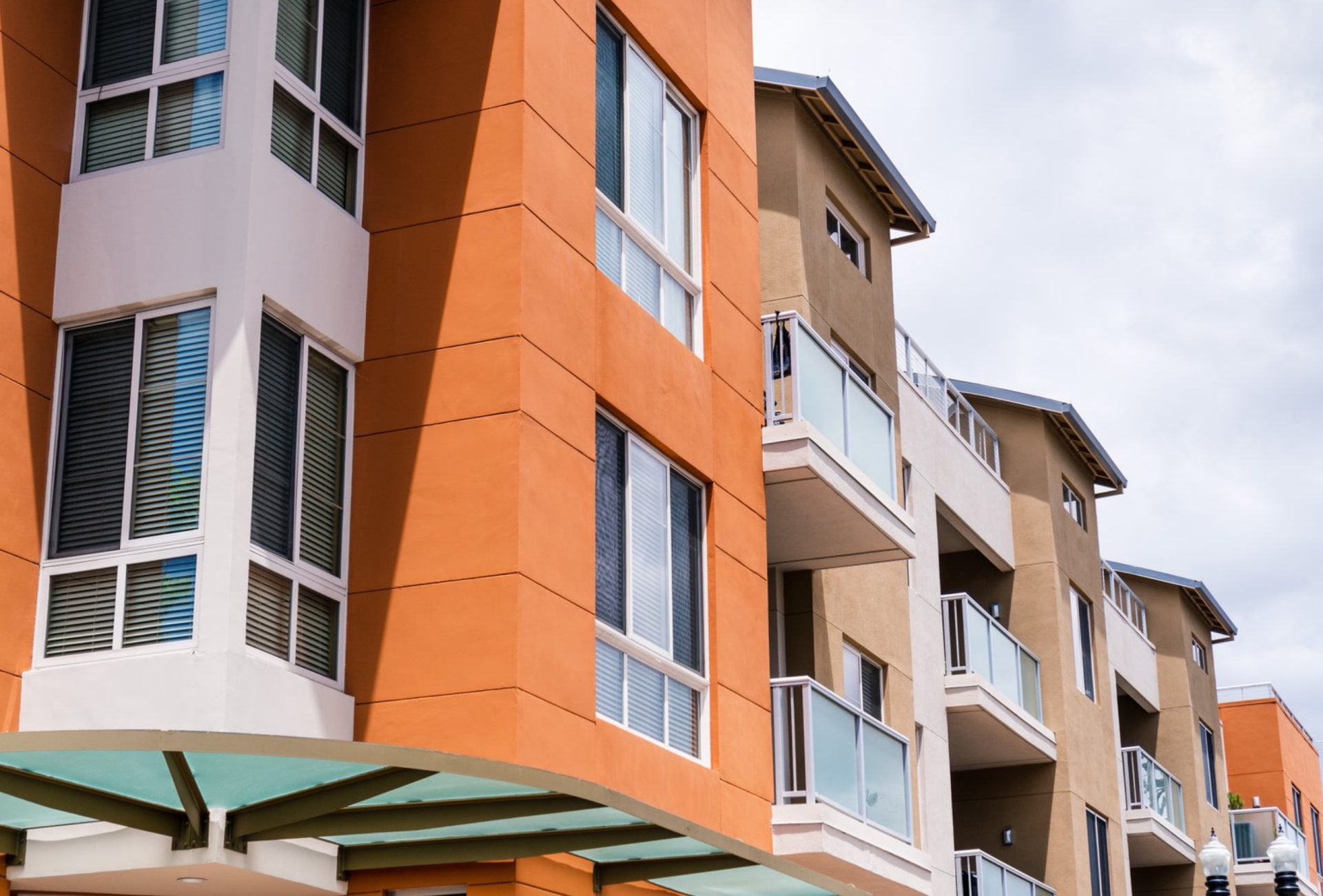
Step 2: Protecting Exteriors
- Weather Resistance: Exterior paint acts as a barrier against rain, snow, ice, sun, and wind.
- Preventing Structural Damage: Well-maintained paint prevents water infiltration, which can cause wood rot, masonry deterioration, or rust on metal surfaces.
- Maintaining Curb Appeal: A freshly painted exterior makes a property visually appealing and attractive to prospective tenants.
- Durability: Using high-quality exterior paints ensures longevity, reducing the frequency of costly repainting projects.
A protective exterior coating is an investment in the property’s structural health and long-term appearance.
Step 3: Planning a Strategic Painting Schedule
- Routine Maintenance: Minor touch-ups every 1–2 years address scuffs, fading, and small damages.
- Full Repainting Cycles: Plan interior repainting every 4–7 years and exterior repainting every 5–10 years, depending on wear and climate exposure.
- Seasonal Timing: Schedule exterior painting during optimal weather conditions to ensure proper drying and adhesion.
- Phased Execution: For multi-unit or multi-building properties, a phased approach minimizes tenant disruption and ensures quality.
Strategic scheduling maximizes the lifespan of paint while reducing costs and tenant complaints.
Step 4: Selecting the Right Paint
- Durability: High-quality, long-lasting paints reduce maintenance frequency.
- Weather-Resistance: Exterior paints must withstand Chicago’s seasonal extremes, including harsh winters and humid summers.
- Washable Finishes: Interior paints with washable or semi-gloss finishes make cleaning easier and extend wall life.
- Consistent Color: Keep color codes and brands on record to maintain consistency across units for future touch-ups.
Using the right paint ensures both protective and aesthetic benefits for rental properties.
Step 5: Maintenance and Inspection Practices
- Regular Walkthroughs: Inspect all surfaces to identify early signs of peeling, fading, or cracking.
- Immediate Touch-Ups: Address small issues promptly to prevent larger, costlier problems.
- Protective Measures: Install wall guards, trim protection, or sealants in vulnerable areas to extend paint life.
- Document Maintenance: Track all painting activities, materials, and inspections for accountability and future reference.
Routine maintenance protects investments by ensuring surfaces remain in optimal condition.
Step 6: How Painting Impacts ROI
- Higher Tenant Satisfaction: Clean, fresh interiors and exteriors increase lease renewals and reduce turnover.
- Reduced Repair Costs: Preventive painting reduces the likelihood of structural damage or major repairs.
- Enhanced Property Value: Well-maintained, visually appealing properties command higher rents and attract quality tenants.
- Lower Vacancy Rates: Properties with regular maintenance and attractive finishes are more competitive in the rental market.
Painting is not just cosmetic—it directly impacts the financial performance of a rental property.
Step 7: Partnering with Professional Painters
- Expertise and Efficiency: Professionals ensure smooth, uniform finishes with minimal disruption to tenants.
- Proper Surface Preparation: Experts repair, prime, and paint correctly for maximum durability.
- Warranty and Maintenance Guidance: Contractors provide post-project recommendations, helping property managers maintain surfaces longer.
- Phased Project Planning: Professionals coordinate multi-unit or multi-building projects effectively.
Working with experienced contractors ensures painting protects rental investments long-term.
Chicagoland Paint Pro Expertise
Chicagoland Paint Pro specializes in painting and maintenance solutions for rental and multi-unit properties:
- Interior & Exterior Painting: Durable, high-quality coatings tailored for property management needs.
- Maintenance Programs: Scheduled touch-ups, inspections, and preventive care for long-term protection.
- Professional Execution: Efficient teams deliver consistent results across multiple units or buildings.
- Investment Protection: Expert guidance ensures properties remain visually appealing and structurally protected.
Partnering with Chicagoland Paint Pro maximizes ROI, reduces maintenance costs, and keeps tenants satisfied.
Conclusion
Painting is more than a cosmetic upgrade for rental properties—it’s a critical tool for protecting your investment. Regular inspections, preventive maintenance, strategic scheduling, and professional application combine to extend the life of painted surfaces, enhance tenant satisfaction, and safeguard property value.
With Chicagoland Paint Pro, property managers can implement an effective, high-quality painting program that protects rental investments and ensures properties remain in top condition for years to come.