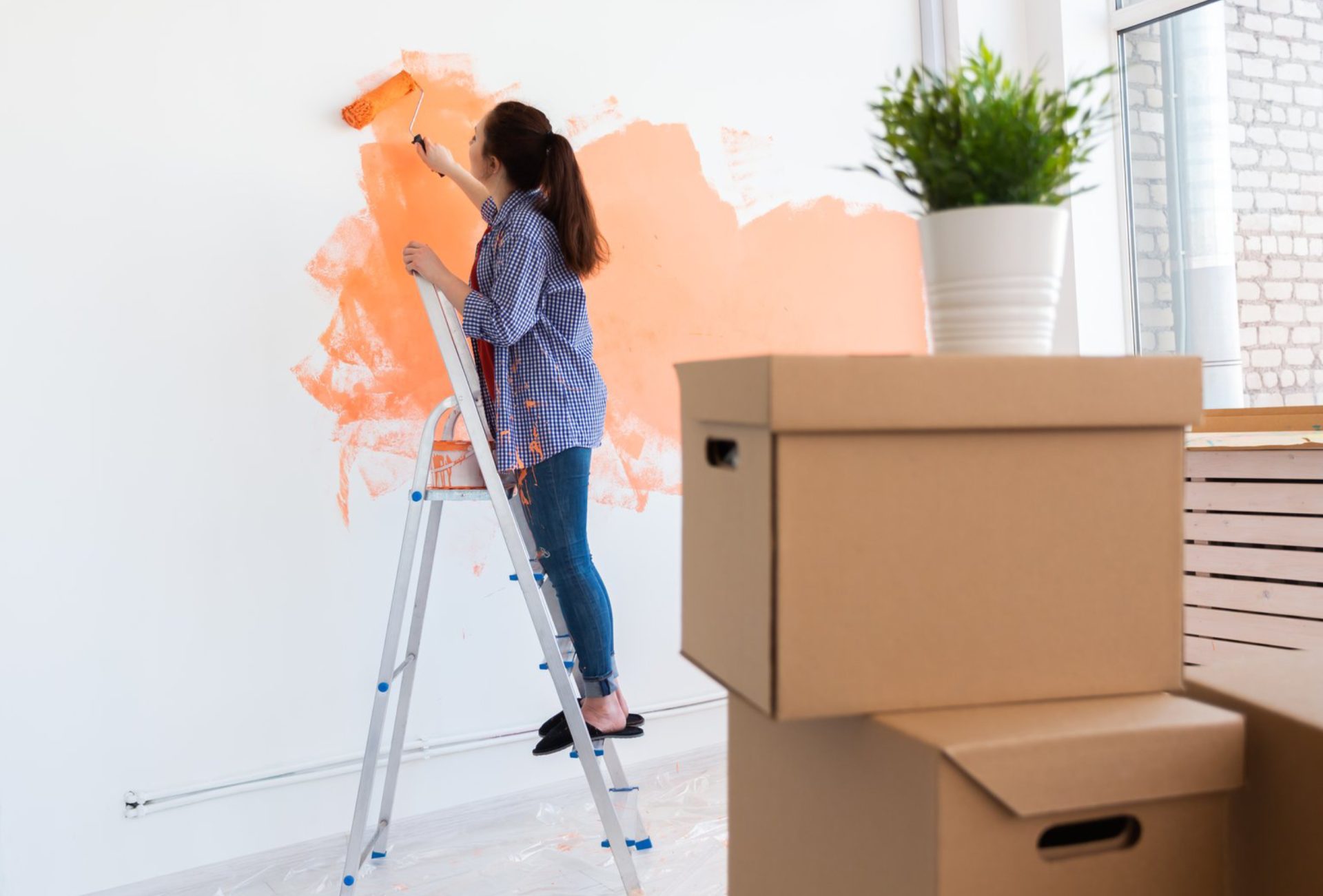

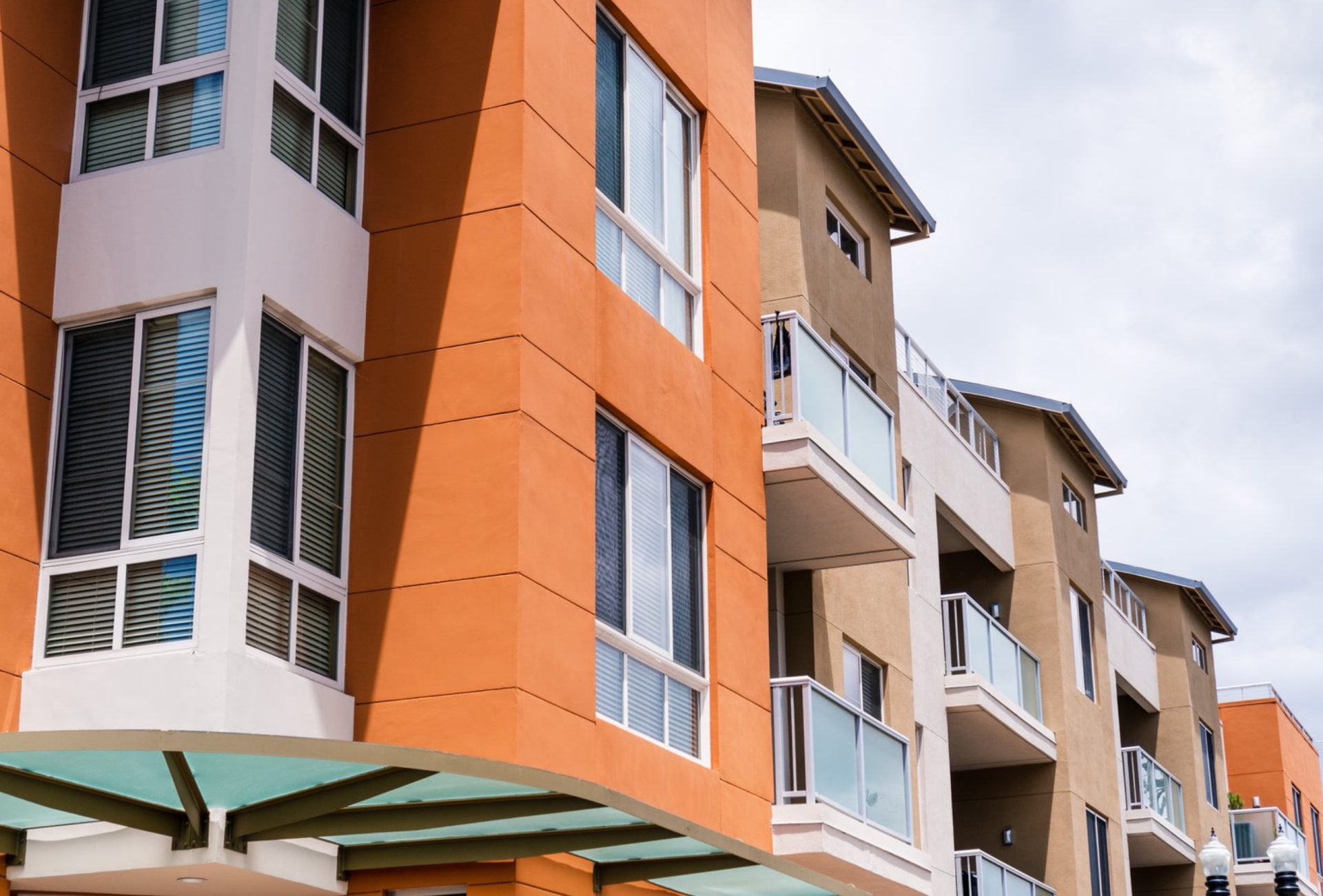



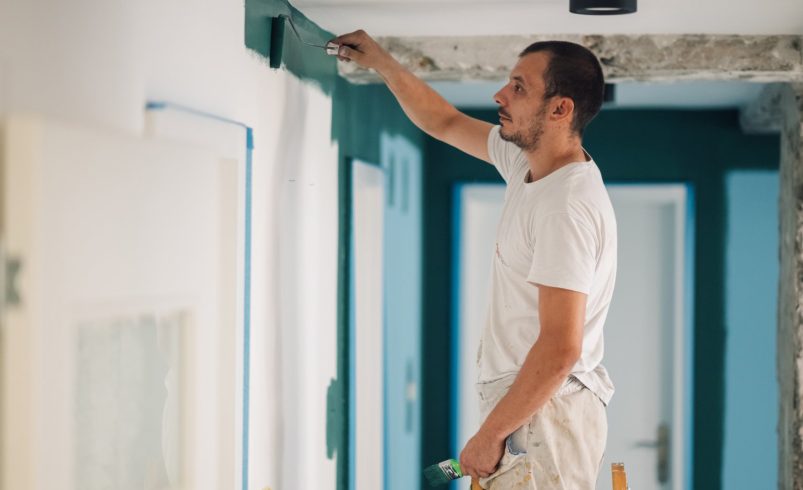

Multi-unit painting projects, whether for apartment complexes, condos, or commercial buildings, are often time-sensitive and can be prone to delays. Delays not only increase costs but also frustrate residents and affect property management schedules. Proper planning, communication, and execution are critical to completing projects on time, on budget, and with high-quality results.
This guide provides practical strategies for avoiding delays in multi-unit painting projects, ensuring smooth operations and satisfied stakeholders.
Why Delays Happen in Multi-Unit Painting
- Poor Planning: Lack of a detailed schedule, insufficient labor, or unclear responsibilities can stall projects.
- Weather Issues: Chicago’s unpredictable climate, including rain, wind, snow, or extreme heat, can disrupt painting timelines.
- Tenant Access Conflicts: Uncoordinated entry into occupied units slows progress.
- Supply Shortages: Running out of paint, primer, or tools mid-project can halt work.
- Surface Problems: Unexpected wall damage, mold, or peeling paint can extend preparation time.
Understanding these common causes is the first step in mitigating delays.
Step 1: Detailed Project Planning
- Assess Scope and Priorities:
- Count units, common areas, and exterior surfaces.
- Identify high-priority areas or problem spots requiring extra attention.
- Set Realistic Timelines:
- Include prep time, multiple coats, drying/curing time, and inspections.
- Factor in weather contingencies, especially for exterior projects.
- Divide the Project into Phases:
- Segment work by building, floor, or unit cluster.
- Phased execution reduces congestion and allows quality control.
- Document Workflow:
- Clearly define responsibilities for painters, project managers, and maintenance staff.
Step 2: Optimize Labor and Teams
- Hire Skilled Professionals: Experienced painters work faster, maintain quality, and can anticipate challenges.
- Assign Teams Strategically: Use multiple teams for different units or floors to maximize efficiency.
- Cross-Train Staff: Having staff familiar with multiple tasks reduces dependency on one worker.
- Monitor Progress: Frequent check-ins ensure timelines are met and adjustments can be made early.
Step 3: Manage Tenant Access Efficiently
- Notify Residents in Advance: Provide clear schedules and expectations.
- Use Staggered Appointments: Avoid painting all units simultaneously if possible.
- Provide Temporary Solutions: Offer temporary workspace or alternative access routes when required.
- Ensure Security and Privacy: Keep doors locked after work and minimize intrusion to maintain tenant trust.
Step 4: Weather Contingency Planning
- Monitor Forecasts: Track weather patterns to adjust exterior painting schedules.
- Flexible Scheduling: Allow extra time for rainy, snowy, or windy days.
- Use Protective Equipment: Tarps, tents, or temporary enclosures can protect surfaces and keep work moving.
- Plan for Seasonal Differences: Spring and fall typically provide the best painting conditions in Chicago, avoiding extreme heat or cold.
Step 5: Material Management
- Order in Advance: Secure all required paint, primer, tools, and supplies before starting.
- Track Usage: Monitor remaining materials daily to prevent shortages.
- Have Backup Supplies: Extra paint or tools on hand avoids interruptions.
- Use Consistent Brands/Batches: Prevents color inconsistencies and rework.
Step 6: Surface Preparation and Repair
- Inspect Early: Identify damaged surfaces, mold, cracks, or peeling paint before painting begins.
- Plan Repairs Concurrently: Schedule repair crews ahead of time so prep work doesn’t hold up painters.
- Prime and Prep Properly: Avoid shortcuts; poor prep causes paint failure, requiring rework and causing delays.
Step 7: Communication and Coordination
- Daily Updates: Keep all stakeholders informed about progress and any issues.
- Centralized Project Management: Use scheduling software or project boards to track phases and responsibilities.
- Rapid Problem Resolution: Quickly address conflicts, equipment failures, or resident complaints to avoid bottlenecks.
Step 8: Quality Control During the Project
- Inspect as You Go: Monitor each unit before moving to the next to prevent rework.
- Check Coats and Coverage: Proper application reduces the need for touch-ups later.
- Document Issues: Record areas needing attention for immediate correction.
Chicagoland Paint Pro Expertise
Chicagoland Paint Pro specializes in multi-unit painting projects with a focus on efficiency, quality, and timeliness:
- Strategic Project Planning: Phased painting schedules minimize delays.
- Experienced Teams: Professional painters ensure uniform, high-quality finishes.
- Tenant-Friendly Communication: Notifications and coordination reduce disruptions.
- Material and Weather Management: Proper supply tracking and weather contingency plans keep projects on schedule.
- Quality Assurance: Continuous inspections guarantee no rework or setbacks.
Partnering with us ensures multi-unit painting projects are completed on time, within budget, and with superior results.
Conclusion
Delays in multi-unit painting projects are preventable with careful planning, proper resource management, clear communication, and proactive problem-solving. By addressing labor, materials, tenant access, weather, and surface preparation from the start, property managers and HOA boards can maintain a smooth workflow and achieve lasting, high-quality results.
With Chicagoland Paint Pro, multi-unit projects are executed efficiently, professionally, and on schedule, ensuring both property value and resident satisfaction are maximized.