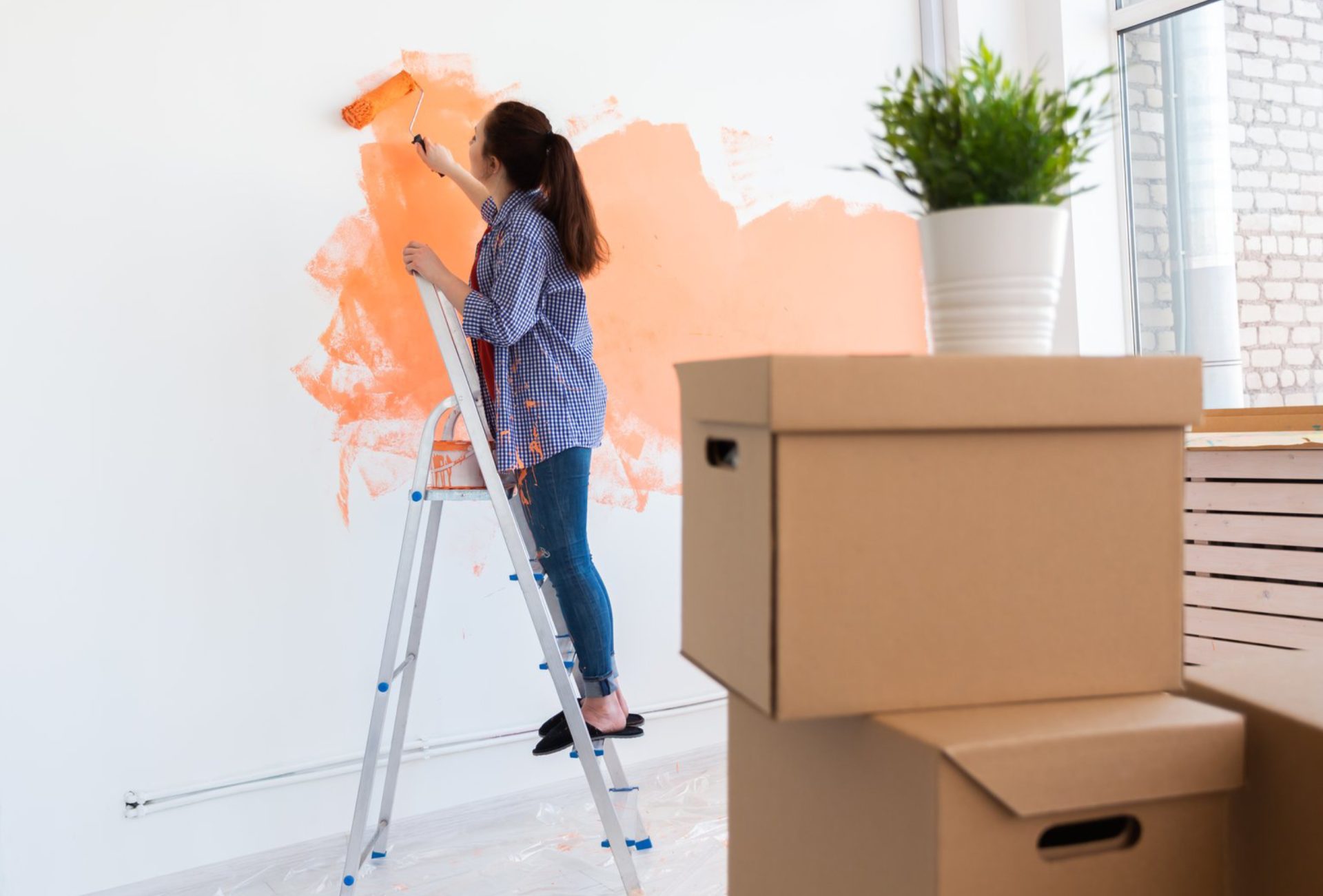

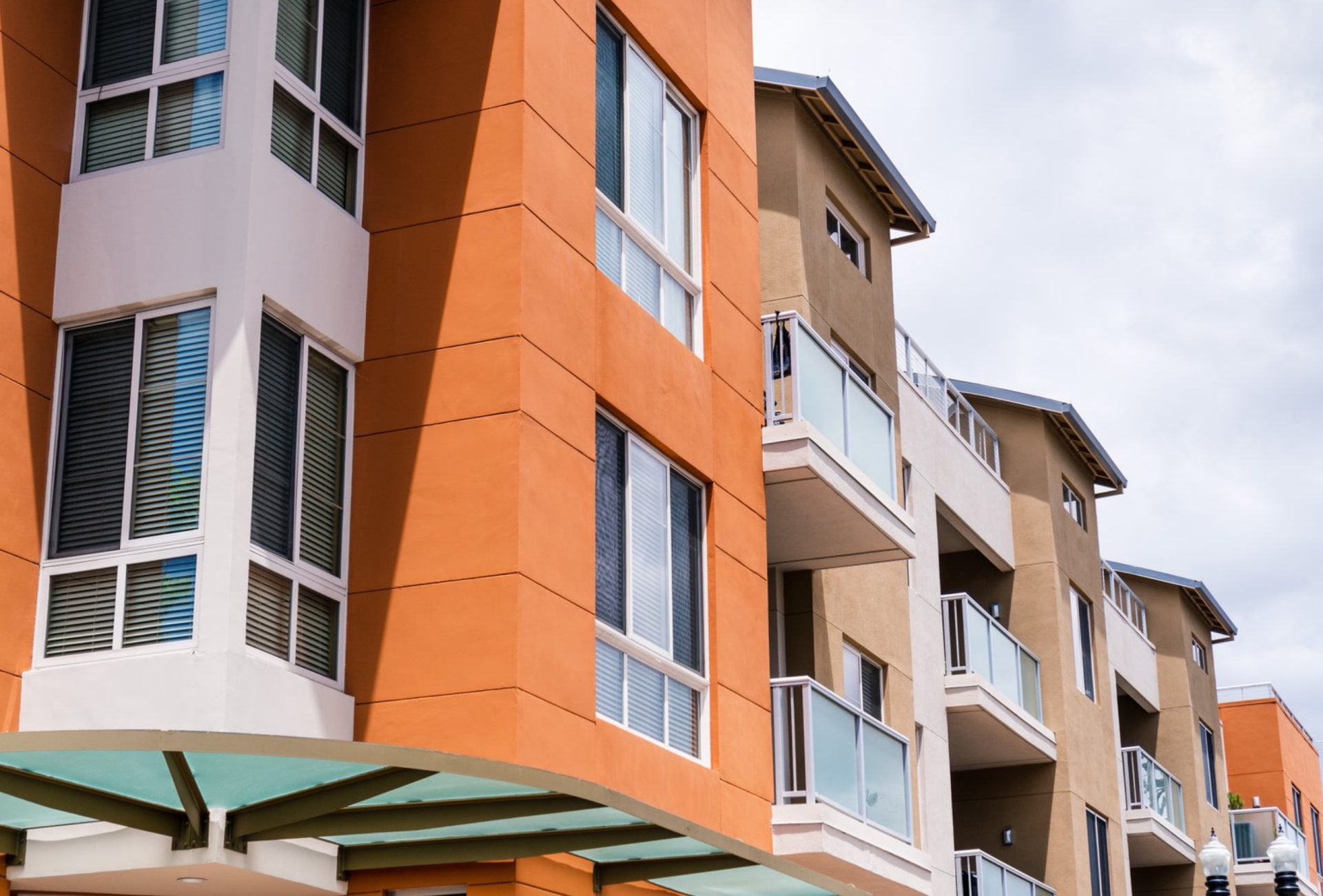





Choosing the right paint colors for an HOA (Homeowners Association) community is a critical task that impacts both the aesthetic appeal and property value of the neighborhood. Unlike single-family homes, HOA communities require a cohesive and uniform color palette that satisfies residents while complying with community rules.
This guide provides practical strategies for HOA boards, property managers, and contractors to select paint colors that enhance the neighborhood, maintain consistency, and stand the test of time.
Why Color Selection Matters in HOAs
- Community Cohesion: Uniform paint colors create a visually harmonious neighborhood, enhancing curb appeal.
- Property Value: Well-chosen, timeless colors increase property value and make homes more attractive to potential buyers or renters.
- Resident Satisfaction: Colors that balance individual preferences with community standards prevent conflicts among homeowners.
- Maintenance Simplicity: Standardized colors simplify touch-ups, repainting, and maintenance across multiple units.
Steps to Choose Paint Colors for HOA Communities
1. Review Governing Documents
HOAs often have rules about permissible paint colors:
- CC&Rs (Covenants, Conditions, and Restrictions): Outline approved colors, finishes, and combinations.
- Architectural Guidelines: Specify color schemes, accent rules, and restrictions for exterior elements like doors, trim, or shutters.
- Historical or Regional Requirements: Some communities require colors that complement local architecture or historical styles.
Understanding these rules is the first step to ensuring compliance and avoiding conflicts.
2. Consider Architectural Style
The community’s architecture should influence the color selection:
- Traditional Homes: Neutral tones, whites, and earth tones complement classic designs.
- Modern Communities: Bold accent colors with muted base tones work well with contemporary architecture.
- Mixed-Style Neighborhoods: Choose colors that create cohesion without erasing individual style.
Matching paint colors to the architectural style helps preserve the character of the community.
3. Identify Base Colors and Accents
A practical HOA color palette often includes:
- Primary/Body Color: Neutral tones for walls, maintaining a clean, uniform appearance.
- Trim Color: Slightly contrasting shades for trim, windows, and doors, adding depth without clashing.
- Accent Color: Optional for doors, shutters, or communal features, used sparingly to highlight design elements.
Maintaining consistency across these elements creates a visually balanced and appealing community.
4. Engage Residents in the Selection Process
Involving residents in color decisions fosters community support:
- Surveys or Voting: Offer a shortlist of pre-approved colors and allow residents to vote.
- Information Sessions: Explain why certain colors were chosen based on durability, aesthetics, and community rules.
- Visual Tools: Use color boards, sample swatches, or digital mock-ups to demonstrate potential outcomes.
Resident engagement reduces disputes and increases acceptance of final choices.
5. Choose Durable, Long-Lasting Colors
For HOA communities, it’s not just about appearance:
- Fade Resistance: Exterior paints should withstand sun exposure without losing vibrancy.
- Weather-Resistant Formulas: Chicago’s climate—wind, snow, heat, and humidity—requires paints that endure extreme conditions.
- Easy Maintenance: Semi-gloss or satin finishes resist dirt and are easy to clean, reducing touch-ups.
Long-lasting colors reduce maintenance frequency and keep the community looking fresh.
6. Test Samples Before Finalizing
Before committing to large-scale painting:
- Paint small sections or boards with chosen colors on different buildings.
- Observe colors in natural and artificial light at various times of the day.
- Evaluate how the colors interact with landscaping, roofs, and neighboring buildings.
Testing ensures that the chosen colors achieve the desired effect across the community.
7. Plan for Future Maintenance
- Maintain a record of paint brands, codes, and finishes for touch-ups.
- Standardizing products helps replace worn sections without noticeable differences.
- Consider aging and fading over time when choosing accent and body colors.
Common Color Selection Mistakes to Avoid
- Overly Bright or Trendy Colors: These can clash with the neighborhood and may quickly go out of style.
- Ignoring Natural Surroundings: Colors should complement landscaping, pavement, and natural light.
- Disregarding Community Guidelines: Violating HOA rules can lead to disputes and costly repainting.
- Neglecting Longevity: Choosing colors solely for aesthetics without durability considerations can increase maintenance costs.
Chicagoland Paint Pro Solutions for HOA Communities
Chicagoland Paint Pro specializes in color consultation and painting services for HOA communities:
- Professional Color Consultation: Guides HOA boards in selecting cohesive, timeless palettes.
- Durable Paint Selection: Recommends paints that withstand Chicago weather and minimize maintenance.
- Community Engagement Support: Helps present options to residents with visual mock-ups and samples.
- Efficient Application: Professional painting services ensure uniform results across multiple buildings.
Our expertise ensures HOA communities maintain aesthetic consistency, long-term durability, and resident satisfaction.
Conclusion
Selecting paint colors for HOA communities is a careful balance of aesthetics, compliance, durability, and community consensus. By following guidelines, considering architectural styles, engaging residents, and choosing long-lasting paints, HOA boards can enhance property values and community appeal.
Partnering with Chicagoland Paint Pro ensures professional-grade color selection and painting services, delivering beautiful, uniform, and lasting results for every HOA community.